This brief examines how direct cash transfers (DCTs) can improve maternal and infant health outcomes, particularly among low-income and racially marginalized populations, by reducing poverty during pregnancy and early parenthood
The report reviews the scope and methods of SNAP benefit theft—including card skimming, cloning, phishing, and algorithmic attacks—and examines the effectiveness of state and federal countermeasures.
A practical framework from the UK Infrastructure and Projects Authority that helps government leaders plan, lead, and deliver complex transformation programs.
This report examines federal efforts to connect eligible college students with Supplemental Nutrition Assistance Program (SNAP) benefits and identifies actions needed to improve outreach and program access.
This toolkit provides guidance to help states implement Medicaid Advisory Committees (MACs) and Beneficiary Advisory Councils (BACs) in accordance with new federal requirements designed to strengthen beneficiary input in Medicaid program oversight.
This session from FormFest 2024 walked attendees through some of the major changes AI is bringing to form design. Learn about the National Head Start Association’s use of AI to reduce administrative burden and the Canadian Digital Service’s tips for protecting government applications systems from AI.
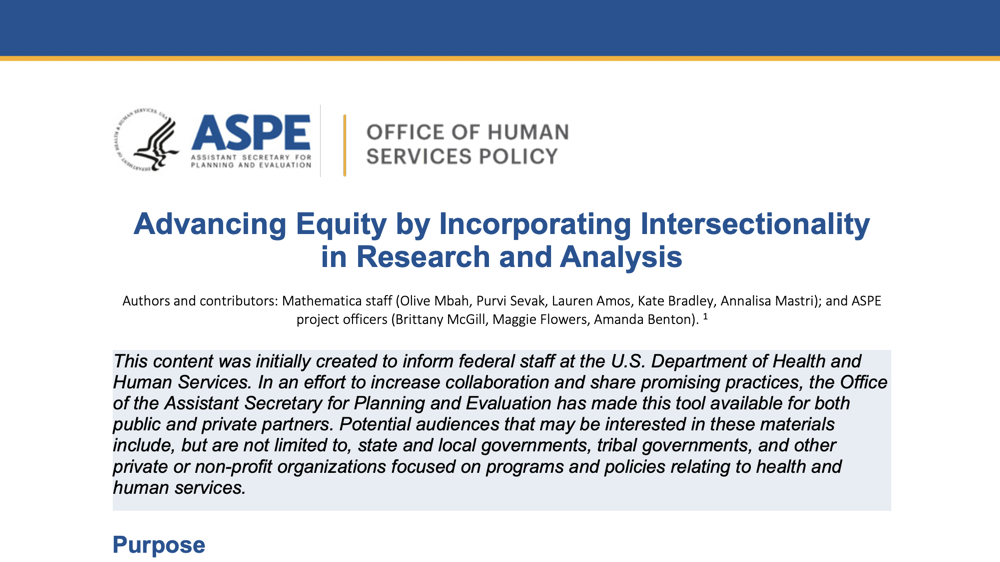
This guide explores intersectionality and why it is essential for advancing equity. It explores strategies for planning and conducting research with an intersectional lens, describes quantitative measures and methods to examine differences across groups of people with intersecting identities, and provides key considerations for using qualitative data to better understand intersectionality.
Office of the Assistant Secretary for Planning and Evaluation (ASPE)
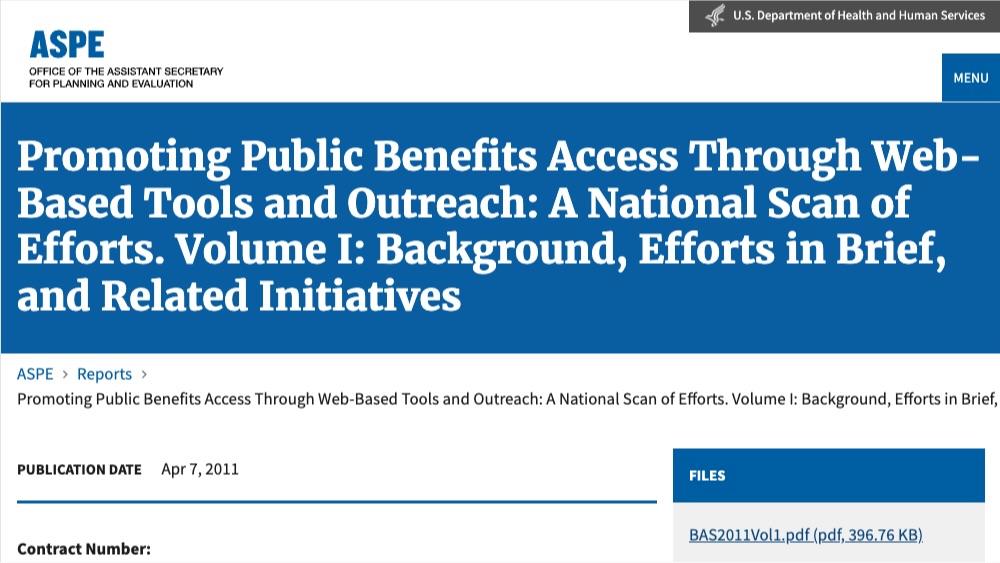
Demand for public benefits is rising in response to continued economic pressure on vulnerable people, in addition to changes in eligibility rules for some safety net programs. This report summarizes existing benefits access efforts, studies the successes and challenges of benefits expansion efforts through a subset of in-depth case studies, and analyzes the potential for sustaining, expanding, and replicating successful efforts.
Office of the Assistant Secretary for Planning and Evaluation (ASPE)
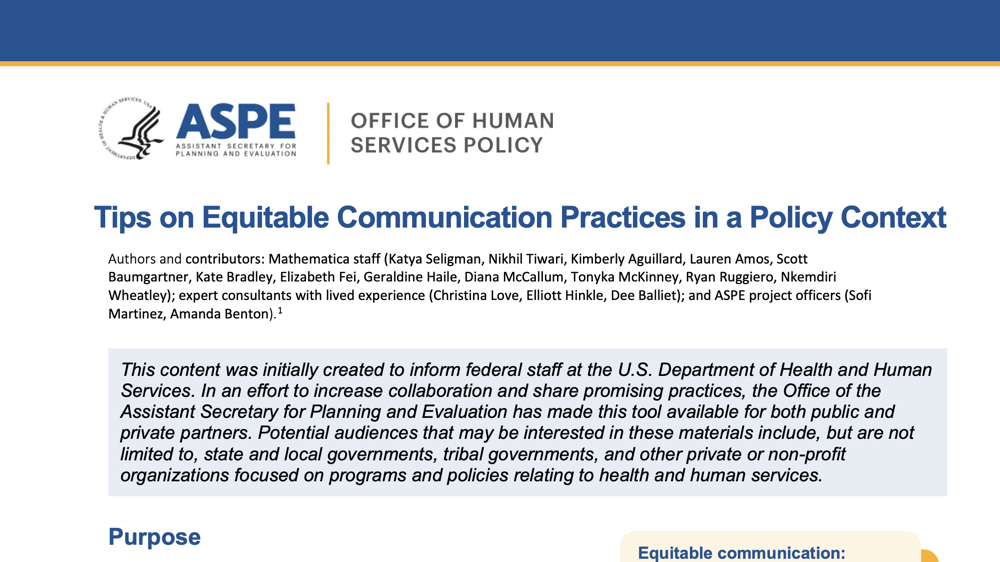
Initially created to inform federal staff at the U.S. Department of Health and Human Services, this tip sheet highlights the importance of using equitable communication and includes tips, guiding questions, and additional resources.
Office of the Assistant Secretary for Planning and Evaluation (ASPE)
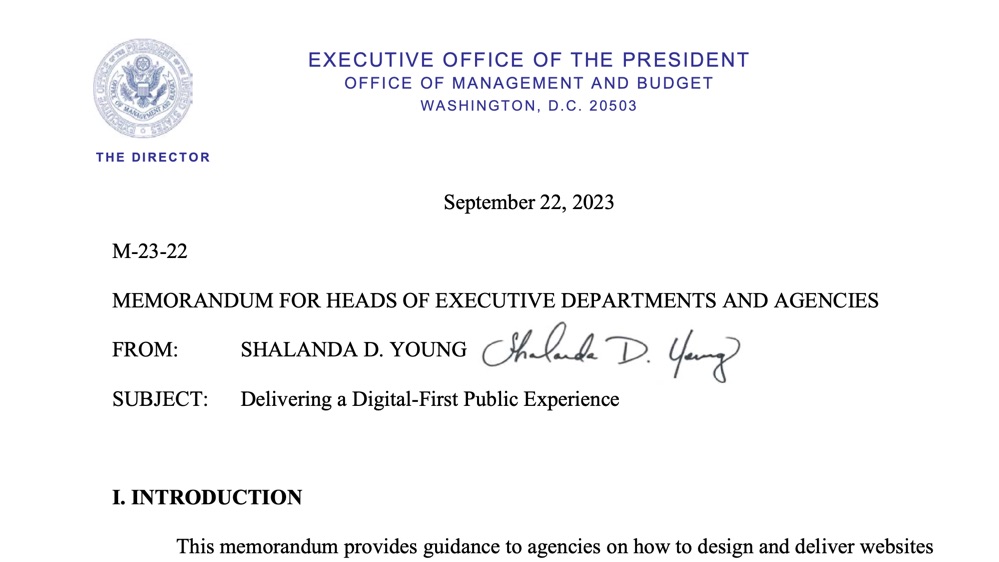
This memorandum provides guidance to agencies on how to design and deliver websites and digital services to the public and to assist agencies as they continue to implement the 21st Century Integrated Digital Experience Act1 (21st Century IDEA). It summarizes relevant statutory requirements, clarifies policy requirements, and expands best practices for agency websites and digital services.
The NIST Risk Management Framework (RMF) Introductory Courses offer free, self-paced online training on managing cybersecurity and privacy risks using NIST’s RMF methodology and related publications.
National Institute of Standards and Technology (NIST)