This Spanish translated fact sheet provides strategies for organizations to support and affirm LGBTQIA2S+ youth and young adults experiencing homelessness.
U.S. Department of Health and Human Services (HHS)
This resource offers practical strategies for early childhood programs to create inclusive, affirming environments for LGBTQIA2S+ families and their children.
U.S. Department of Health and Human Services (HHS)
Executed April 3, 2025, this memo provides federal agencies with government-wide guidance for accelerating AI adoption through innovation, governance, and public trust.
This blog discusses the 988 Suicide and Crisis Lifeline, a nationwide initiative aimed at providing accessible, immediate support for individuals experiencing mental health crises through the easy-to-remember number 988.
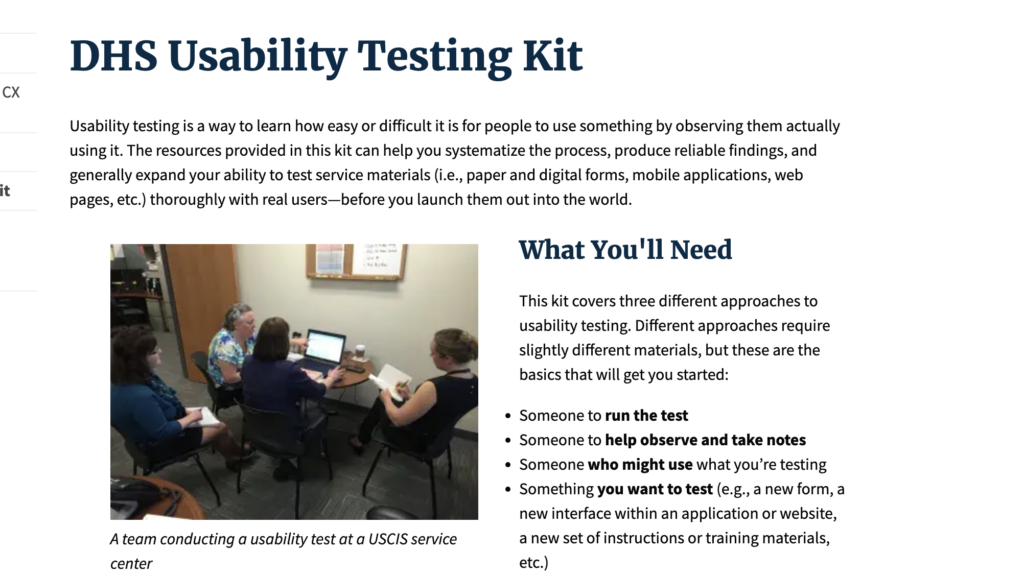
This is a toolkit designed to help Department of Homeland Security teams conduct usability testing for digital services, with templates, guidance, and best practices.
The AI RMF Playbook offers organizations detailed, voluntary guidance for implementing the NIST AI Risk Management Framework to map, measure, manage, and govern AI risks effectively.
National Institute of Standards and Technology (NIST)
The Service and Digital Toolkit is a bilingual, practical resource developed by the Canadian Digital Service to help government teams design and deliver user-centered, accessible, and agile digital services aligned with federal policies and standards.
This hub introduces the UK government's Algorithmic Transparency Recording Standard (ATRS), a structured framework for public sector bodies to disclose how they use algorithmic tools in decision-making.
A strategy document that sets out USAID’s vision, goals, principles, and operational requirements for promoting open, inclusive, secure, and rights-respecting digital ecosystems to advance development and humanitarian outcomes worldwide.
United States Agency International Development (USAID)
This article shares insights from Minnesota-based focus groups, revealing that low-income women navigating unemployment insurance often face confusion and uncertainty around eligibility, complex administrative processes, and additional challenges related to childcare, housing stability, and mistrust of benefit systems.