Initially created to inform federal staff at the U.S. Department of Health and Human Services, this tip sheet highlights the importance of using equitable communication and includes tips, guiding questions, and additional resources.
Office of the Assistant Secretary for Planning and Evaluation (ASPE)
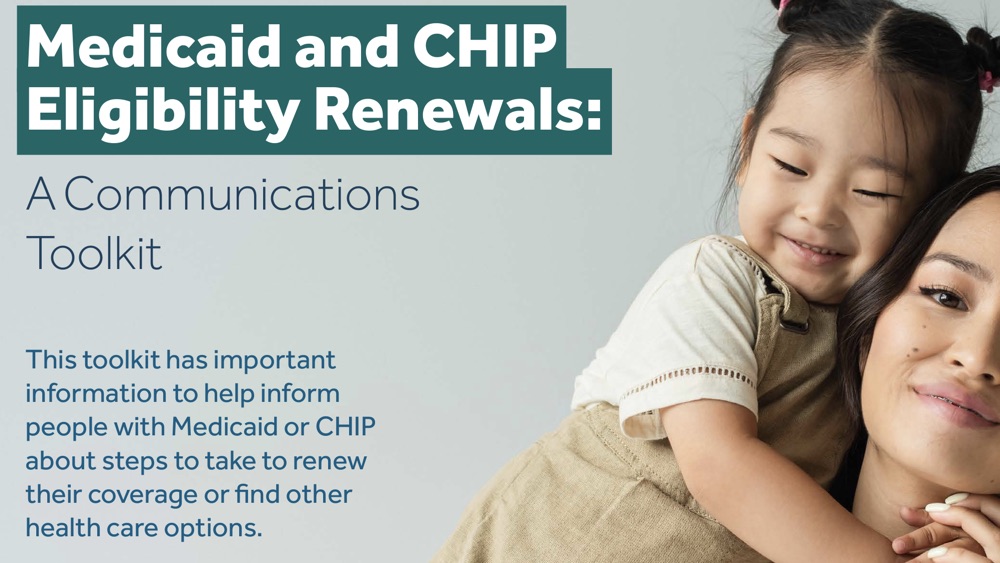
This resource is a communications toolkit designed to help states and stakeholders inform Medicaid and CHIP recipients about the eligibility renewal process, ensuring they take necessary steps to maintain or transition to alternative health coverage.
The US General Services Administration announces that it is seeking a limited number of state and local government partners to take advantage of login.gov to administer their federally funded programs.
Remote identify proofing is the process federal agencies and other entities use to verify that the individuals who apply online for benefits and services are who they claim to be. If the applicant responds correctly to personal questions, their identity is considered to be verified. However, data stolen in recent breaches could be used fraudulently to respond to knowledge-based verification questions. Alternative methods are available that provide stronger security, but these methods may have limitations in cost, convenience, technological maturity, and they may not be viable for all segments of the public.
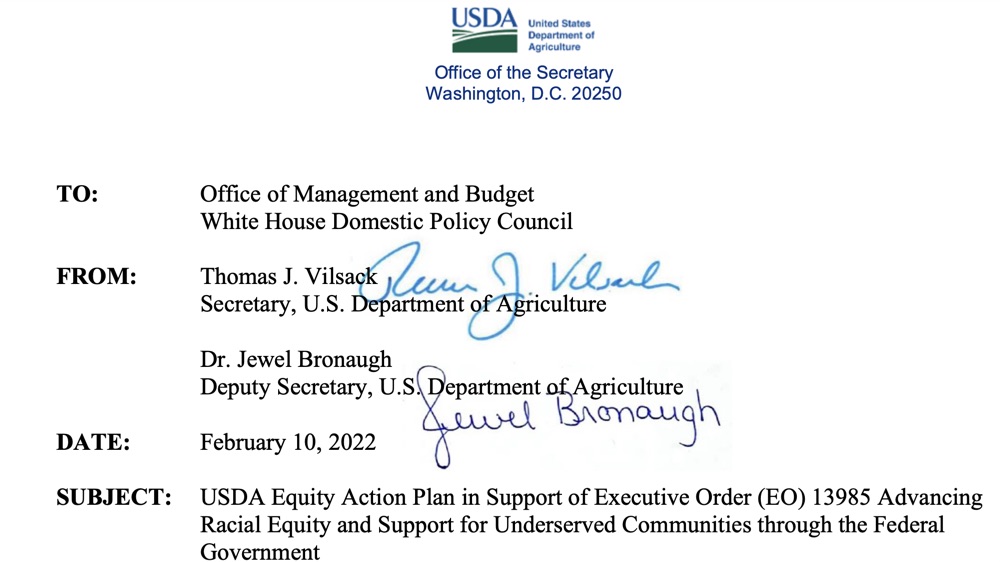
On January 20, 2021, the President issued EO 13985, which established that the Federal Government should pursue a comprehensive approach to advancing equity for all. USDA's Equity Action Plain details a subset of USDA actions to achieve this goal.
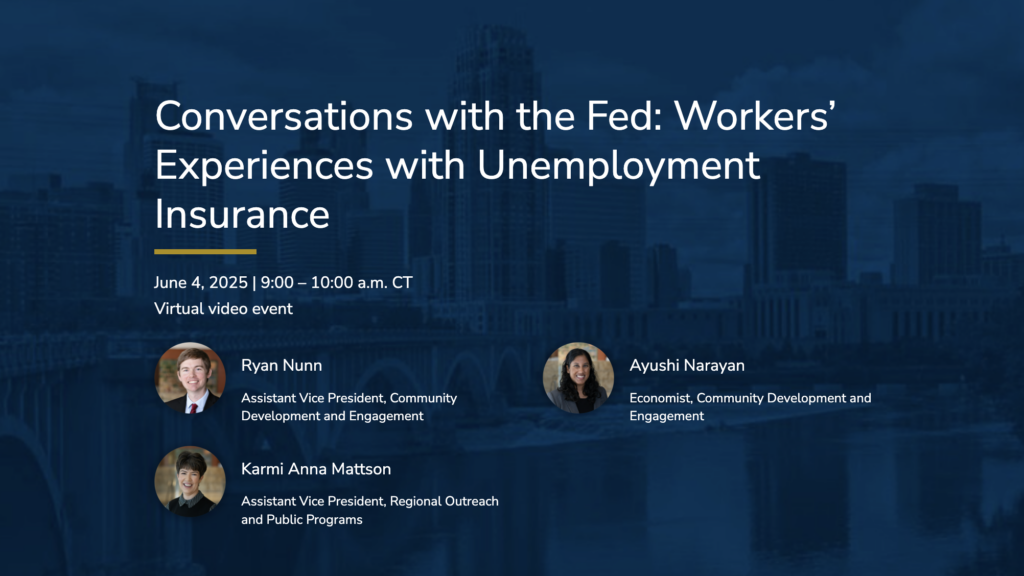
A public event that explored workers’ real-world experiences with unemployment insurance systems, focusing on barriers, inequities, and policy insights from their perspectives.
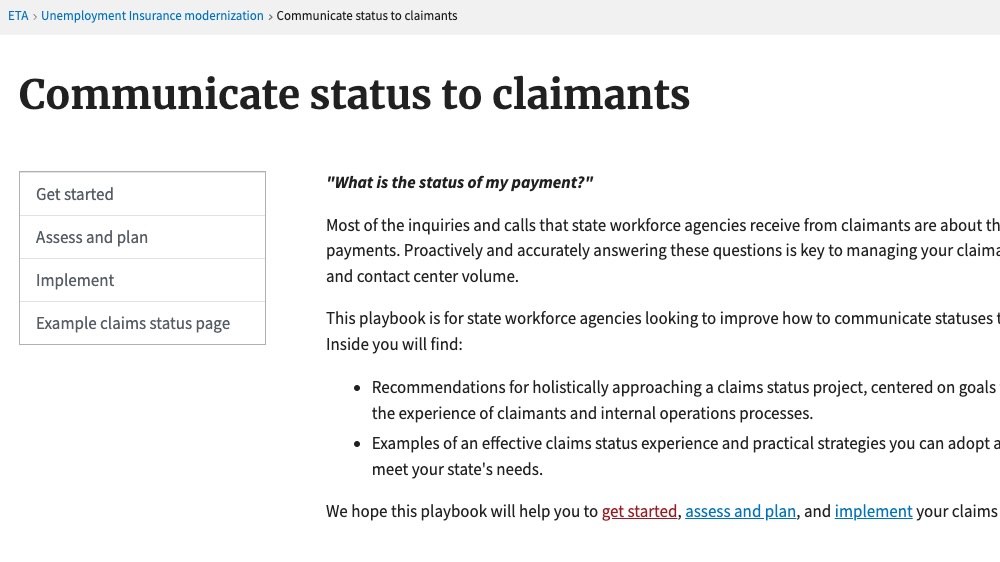
The U.S. Department of Labor provides a playbook to help state workforce agencies enhance communication with unemployment claimants by offering clear, proactive updates on claim statuses, thereby improving claimant satisfaction and reducing call center inquiries.
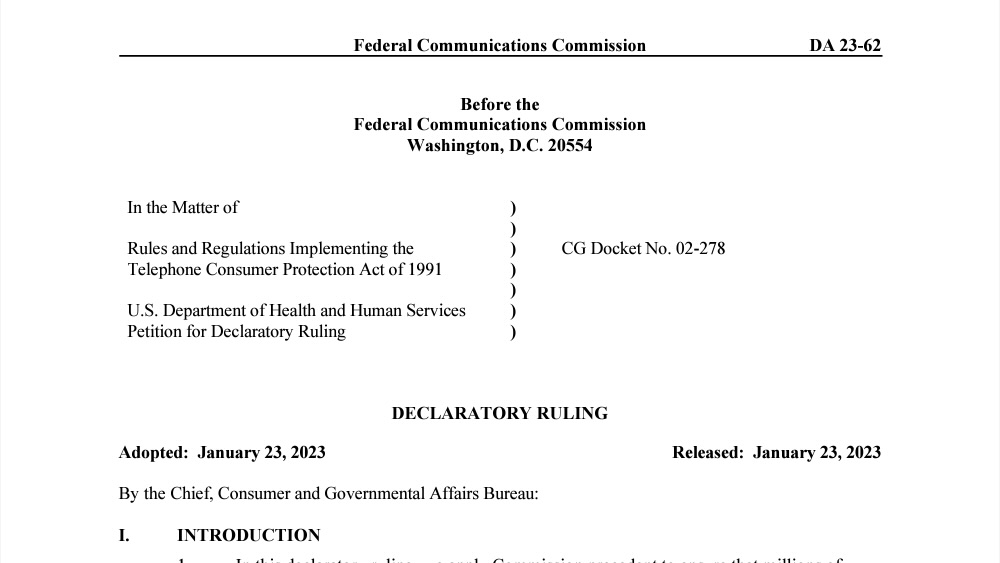
Ruling from the FCC granting the U.S. Department of Health and Human Services (HHS) to confirm that federal and state governmental agencies working in conjunction with local governments, governmental contractors, and managed care entities acting under contract with state governments may, under certain circumstances, make autodialed and prerecorded or artificial voice calls or send autodialed text messages to raise awareness of the eligibility and enrollment requirements for these governmental health care programs without violating the Telephone Consumer Protection Act (TCPA).
The Decide Methods help you derive insights from the information gathered during the Discovery phase. You’ll validate initial assumptions, develop a deeper understanding of workflows and processes, and develop design hypotheses.
Government solicitations to procure custom software are often long, complicated, and take months. By using 18F’s agile contract format, agencies can hire an agile software contractor with a quickly-written dozen-page solicitation, allowing for immense savings in time and money.