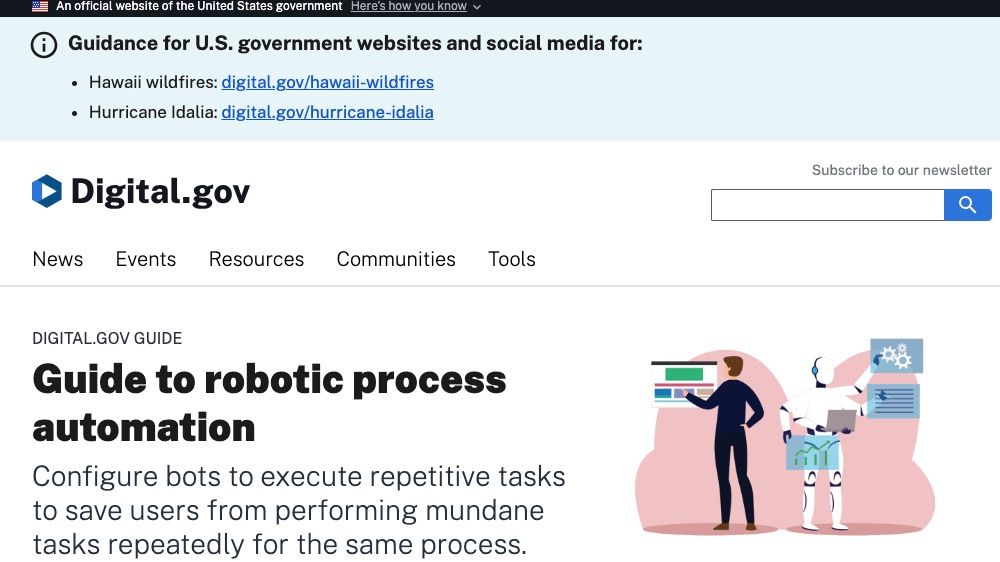
The Guide to Robotic Process Automation, including the RPA Playbook provides detailed guidance for federal agencies starting a new RPA program or evolving an existing one.
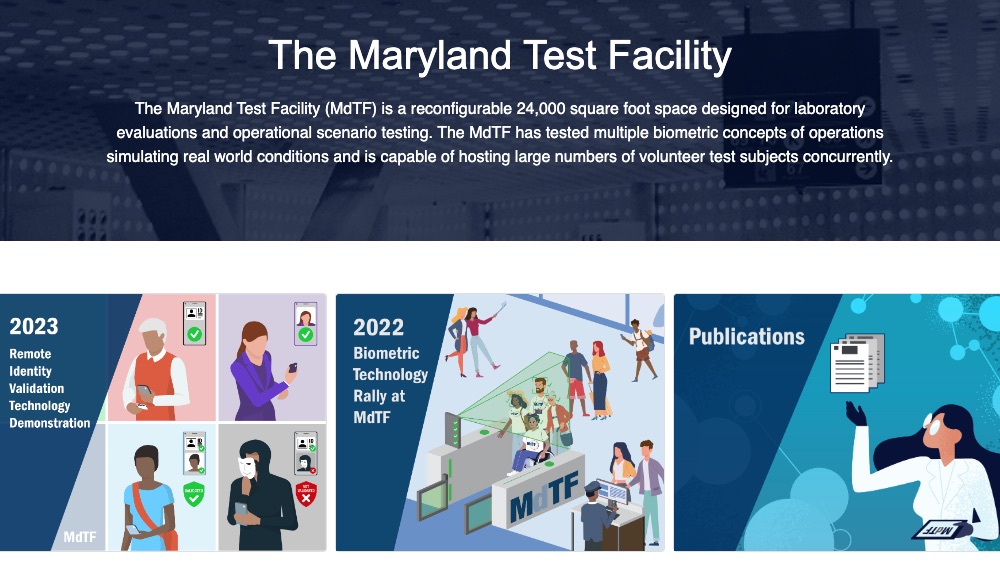
The Department of Homeland Security's Biometric and Identity Technology Center (BI-TC) has hosted Biometric Technology Rallies to test new and emerging biometric technologies since 2018. This website hosts information about the 2022 and 2023 rallies.
This toolkit provides resources for training and technical assistance (T/TA) providers in the Child Care Technical Assistance Network (CCTAN) to help State, Territory, and Tribal CCDF Lead Agencies be prepared to conduct equity assessments.
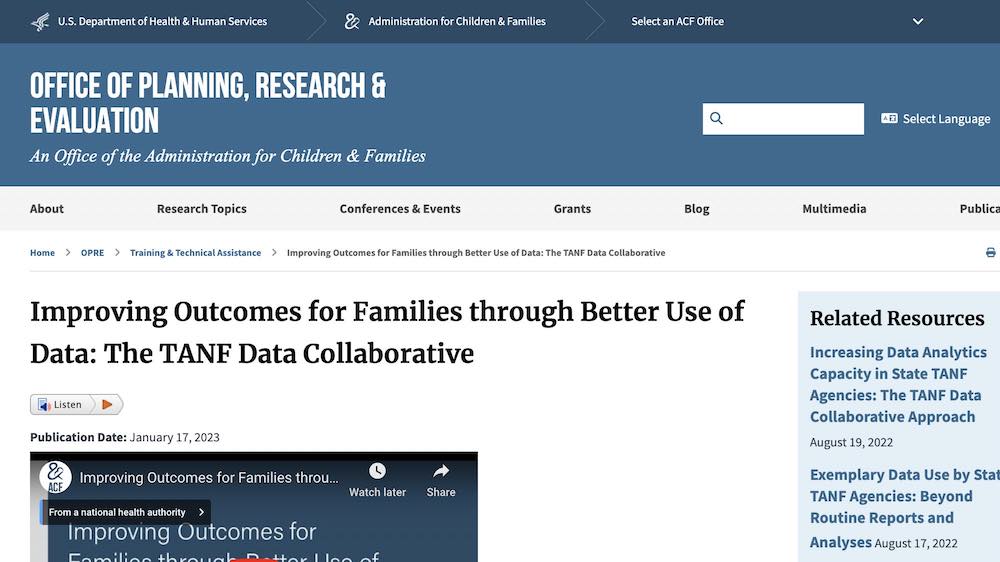
This video, produced after the completion of the TDC Pilot, features staff members from the California, Colorado, Minnesota, and Virginia TANF agencies reflecting on their challenges, accomplishments, and general experiences during the pilot.
U.S. Department of Health and Human Services (HHS)
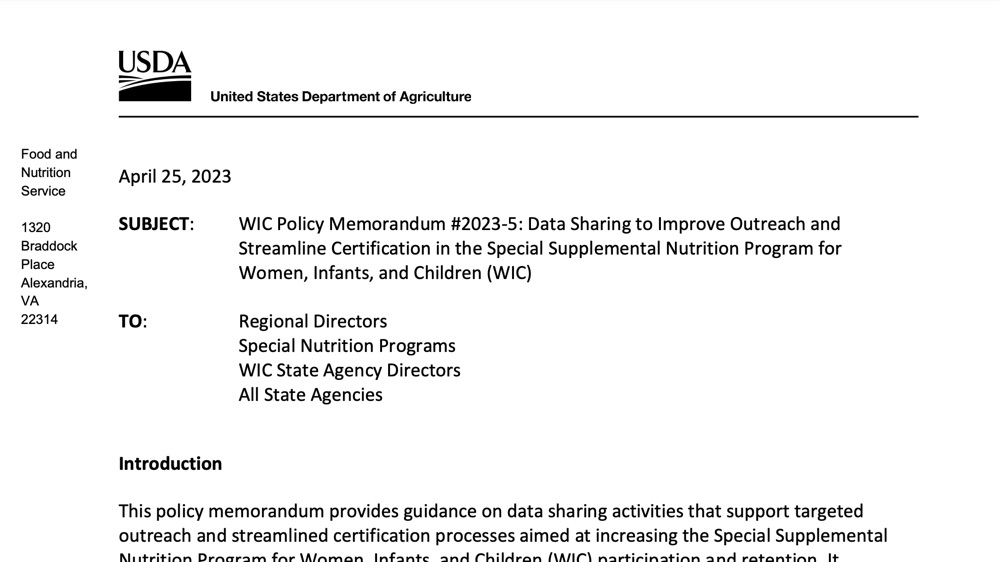
This policy memorandum from the Food and Nutrition Service (FNS) provides guidance on data sharing activities that support targeted outreach and streamlined certification processes aimed at increasing the Special Supplemental Nutrition Program for Women, Infants, and Children (WIC) participation and retention.
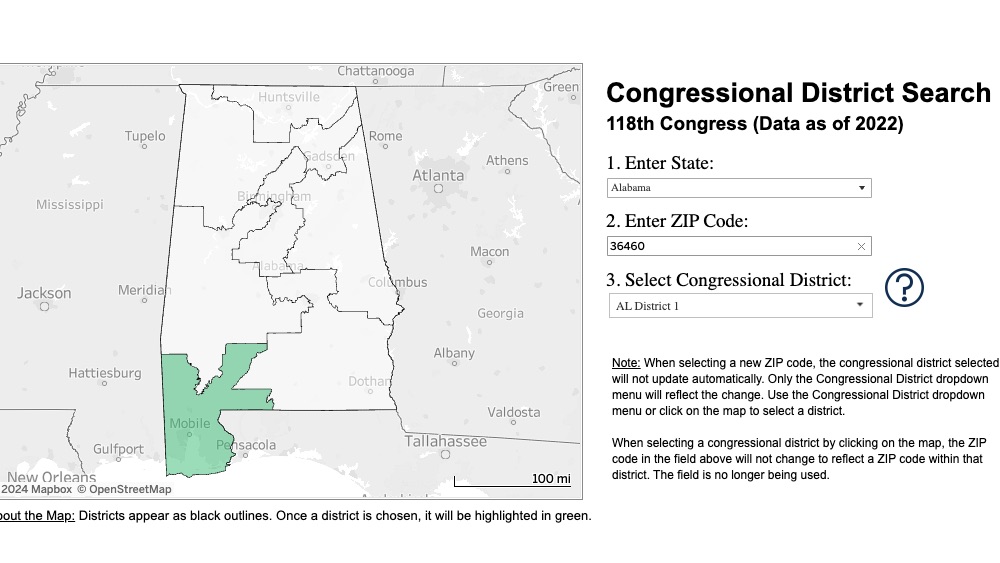
This interactive dashboard allows users to explore Supplemental Nutrition Assistance Program (SNAP) participation and household characteristics by U.S. congressional district using American Community Survey data.
This interim final rule requires SNAP State agencies to provide information to the NAC regarding individuals receiving SNAP benefits in their states in order to ensure they are not already receiving benefits in another state.
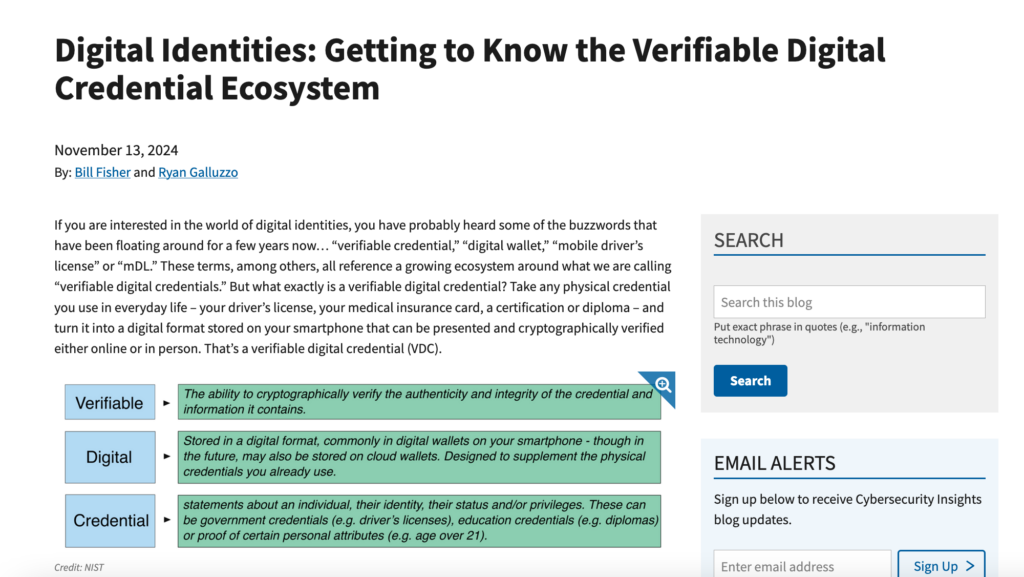
This blog explains that verifiable digital credentials (VDCs) are cryptographically secure digital versions of physical credentials (like driver’s licenses or diplomas) stored in digital wallets that can be presented and verified online or in person.
National Institute of Standards and Technology (NIST)
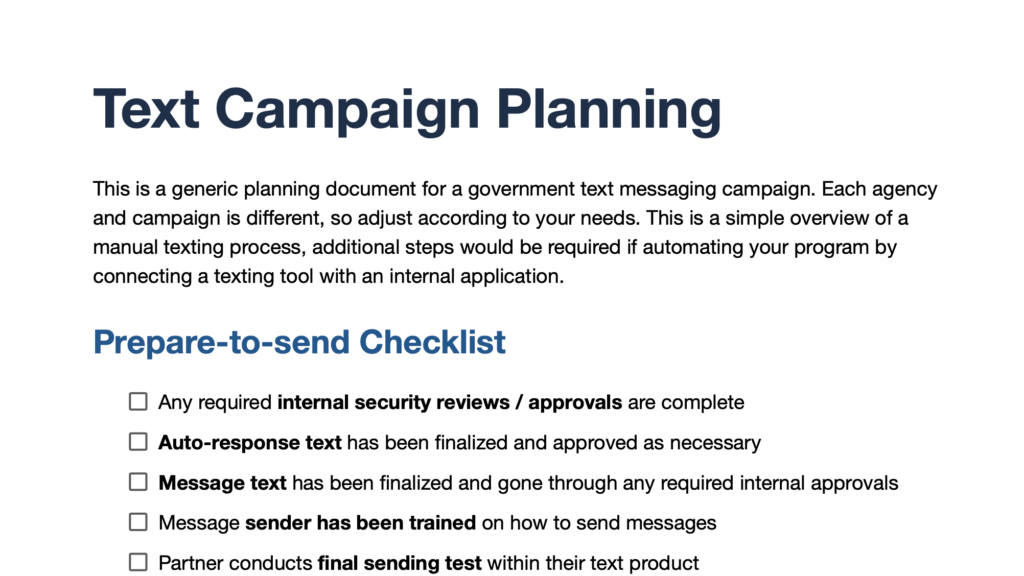
A case study documenting the creation, pilot, impact, and eventual sunset of a government text-messaging service used to improve how agencies communicate with the public.
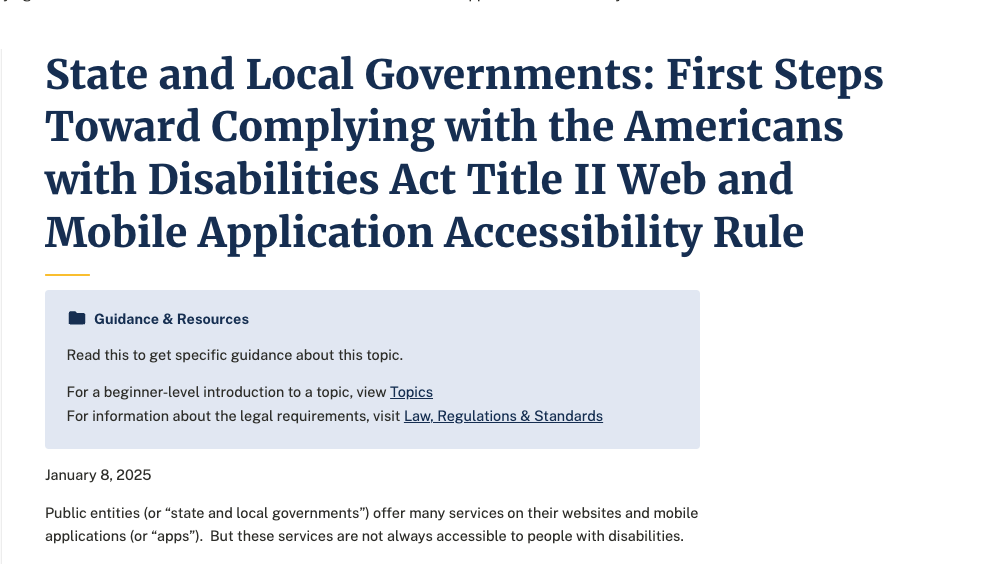
A guidance resource for state and local governments outlining first-step actions to prepare for compliance with the new web and mobile accessibility rule under Americans with Disabilities Act (ADA).