CMS has identified a number of immediate and longer-term strategies that states can implement to improve application processing timeframes and address application backlogs.
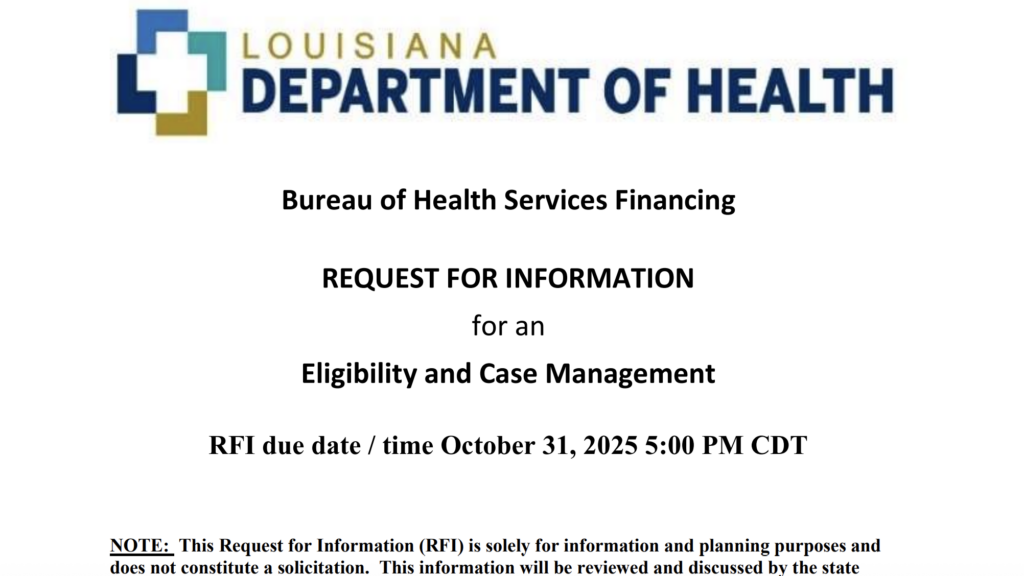
Louisiana issued an RFI to identify solutions that can provide a technology platform for determining eligibility and managing cases across multiple human services programs.
Jennifer Pahlka, Deputy CTO in President Obama’s Administration and author, shares her new book, Recoding America on how government must be equipped for digital delivery in order to meet ambitious policy goals. This video was recorded at the Digital Benefits Conference (BenCon) at Georgetown University on June 14, 2023.
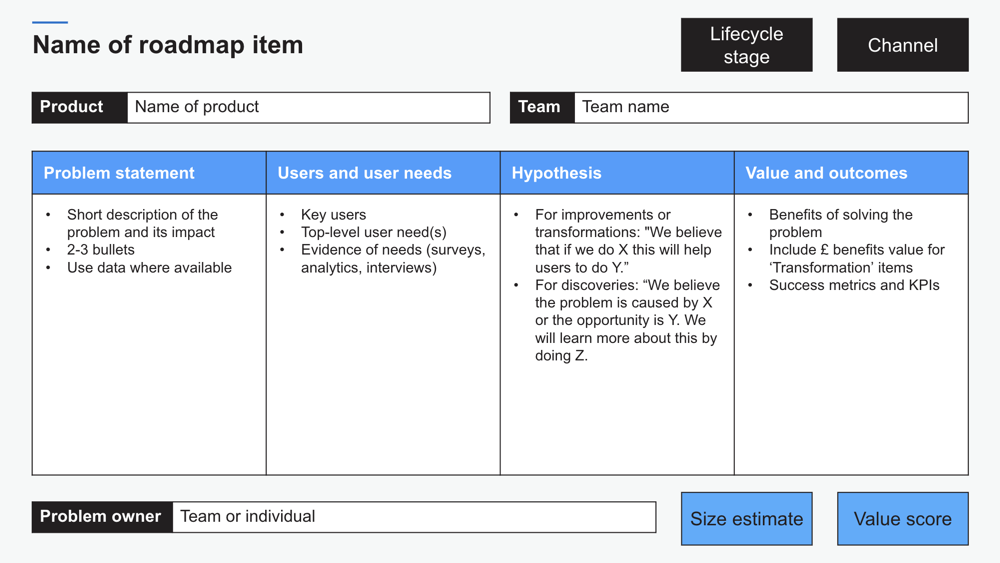
This field guide is written for digital services and technology leaders working in government agencies at the federal, state, or local level. It’s meant to highlight the power of product thinking to government digital services. With this guide, agencies can start moving from a project management mindset to a product-based approach to delivering services.