This Urban Institute article argues that poverty is driven by structural barriers rather than individual choices and advocates for safety net programs that address systemic inequities.
This report examines how state governments organize and manage human services programs, analyzing various agency structures and their impact on service delivery and coordination with the health care sector.
This brief describes TDI’s efforts to transform federal TANF and employment data into an integrated resource for program management and evidence building.
This report outlines a dozen fintech and civic tech organizations working across fourteen safety net programs to show what’s possible when modern technology is married to a consumer insights perspective.
Initially created to inform federal staff at the U.S. Department of Health and Human Services, this tool describes how to conduct intensive equity assessments of existing programs, policies, and processes. It may be useful for state and local governments, tribal governments, and other private or non-profit organizations focused on programs and policies relating to health and human services.
Office of the Assistant Secretary for Planning and Evaluation (ASPE)
Though the rhetoric of “waste, fraud, and abuse” is ubiquitous when it comes to welfare programs, low-income households receive little relief from benefits programs. Most efforts to make public benefits systems more “efficient” actually just waste time and money in practice. They instead serve to stigmatize low-income families and chip away at the little assistance that remains available to them.
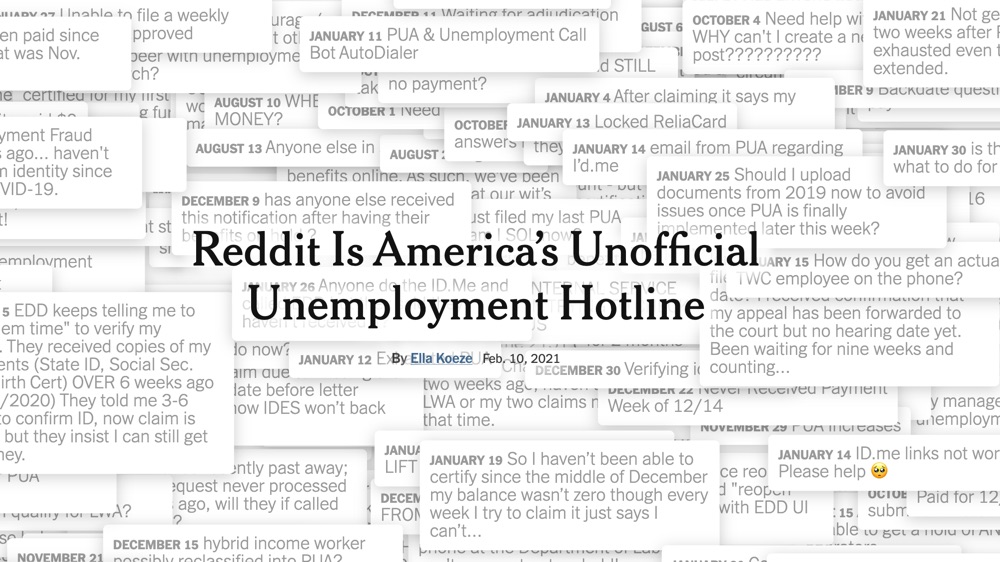
Reddit's unemployment forums have become vital support networks during the pandemic, offering advice, emotional support, and a sense of community to those navigating job loss and financial hardship.
This report contributes to the quantitative measurement of psychological burdens by examining a case study of a single social program: the Supplemental Nutrition Assistance Program, by considering new quantitative measures of the psychological burdens faced by SNAP applicants.
This study examines how providing information about administrative burden influences public support for government programs like TANF, showing that awareness of these burdens can increase favorability toward the programs and their recipients.
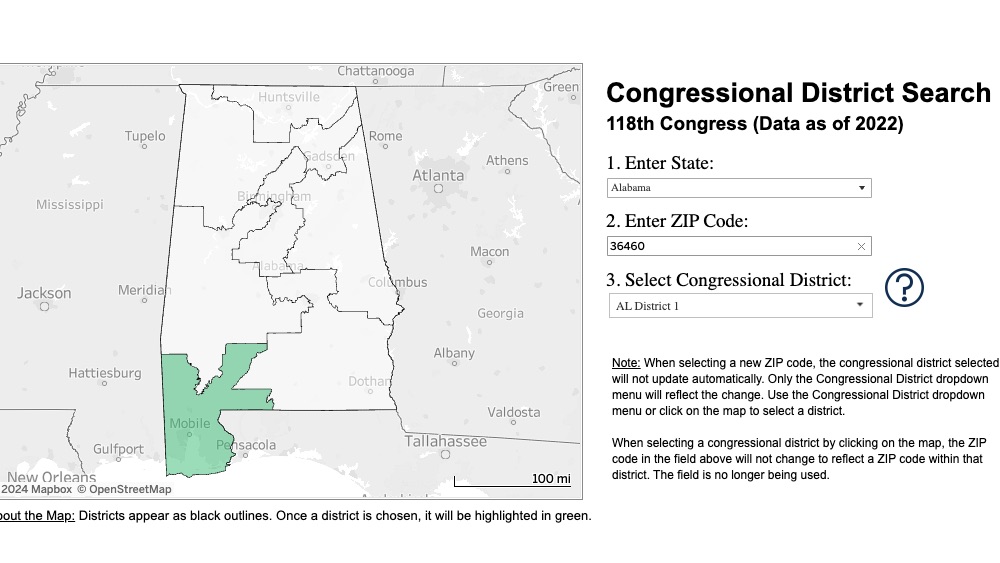
This interactive dashboard allows users to explore Supplemental Nutrition Assistance Program (SNAP) participation and household characteristics by U.S. congressional district using American Community Survey data.