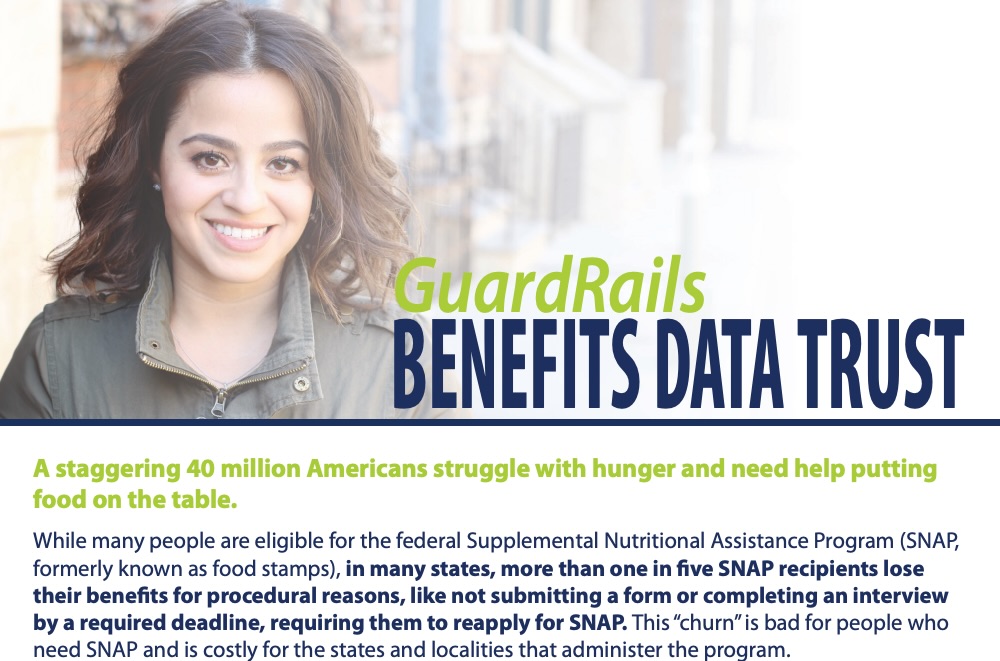
Differing federal requirements for public benefit applications create significant barriers for applicants and complicate state efforts to integrate services.
In the article, researchers examines how administrative burdens in waitlist management for subsidized childcare in Massachusetts have led to significant reductions in the number of families awaiting assistance, potentially obscuring the true extent of unmet need.
Expanding access to free tax assistance through virtual Volunteer Income Tax Assistance (VITA) programs can help low-income filers claim essential tax benefits without incurring preparation fees.
Through analyzing hundreds of research studies and surveying thousands of Americans this report identifies 28 life experiences that drive lifetime income, called mobility experiences.
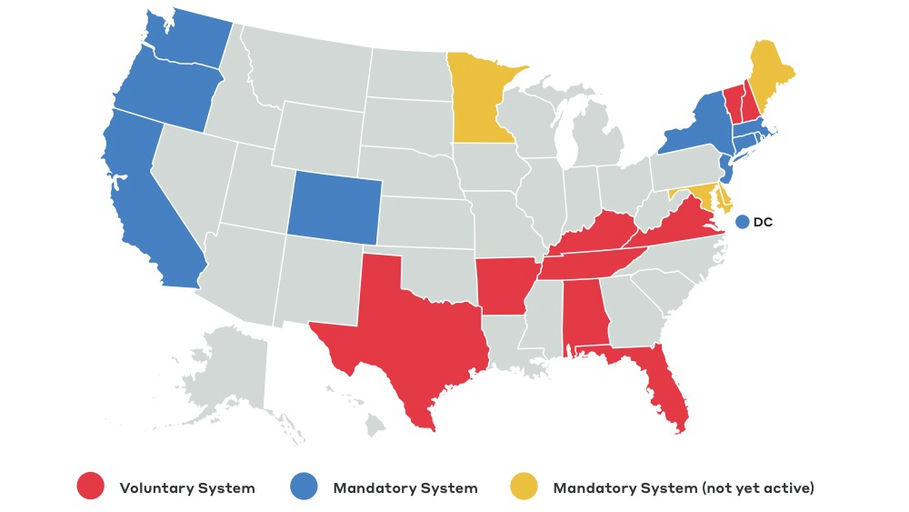
While millions of workers have gained access to PFML, the lack of uniformity in mandatory PFML programs created a growing patchwork of state laws, differing on nearly 30 policy components across four key areas: substantive benefits, financing, eligibility, and administrative requirements.
This article examines the concept of "viral cash" and suggests that the future growth of basic income programs will depend on advocacy networks rather than traditional policy diffusion across jurisdictions.
This Urban Institute report highlights how immigrant and mixed-status families continued to avoid safety net programs in 2023 due to lingering fears around the public charge rule.
This study explores the causal impacts of income on a rich array of employment outcomes, leveraging an experiment in which 1,000 low-income individuals were randomized into receiving $1,000 per month unconditionally for three years, with a control group of 2,000 participants receiving $50/month.
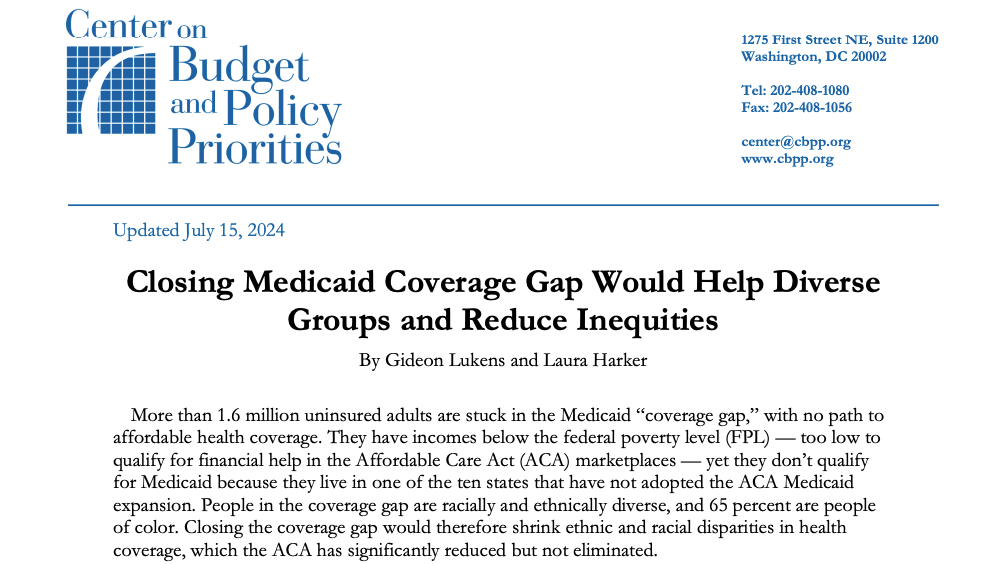
Closing the Medicaid coverage gap could significantly reduce healthcare disparities as 65% of those affected are people of color, specifically impacting low-wage workers and caregivers who often experience economic and health vulnerabilities.