A blog post offering four distinct types of visualization maps that help digital project teams quickly build shared understanding and alignment when starting new work.
A practical toolkit that guides teams through designing and building accessible forms in print and PDF formats that are usable by people with disabilities and meet accessibility standards.
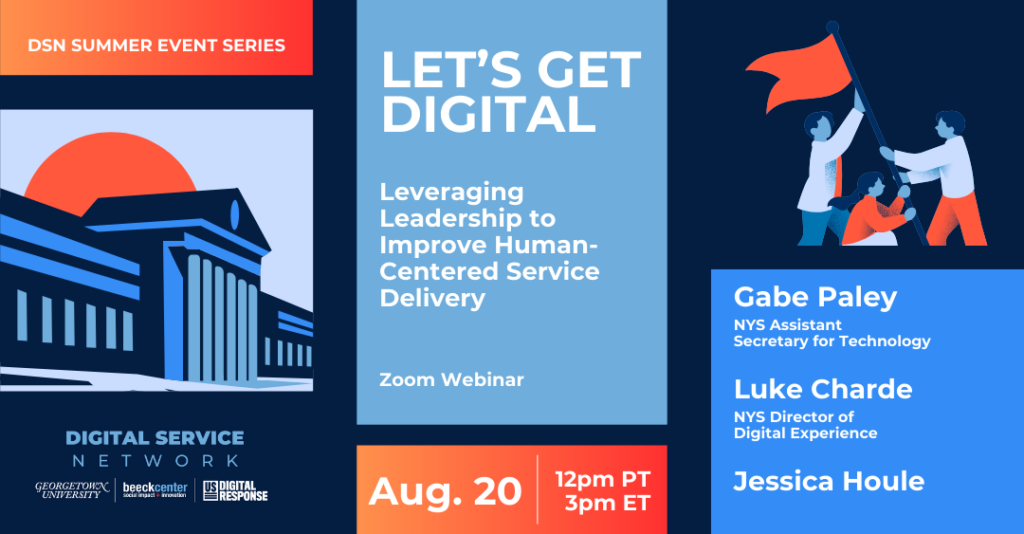
For the Digital Service Network’s (DSN) final installment of its summer event series, Let’s Get Digital, we heard about New York State’s (NYS) human-centered design (HCD) journey and how relationships between leadership and digital service teams have been pivotal in advancing user-centric service delivery.
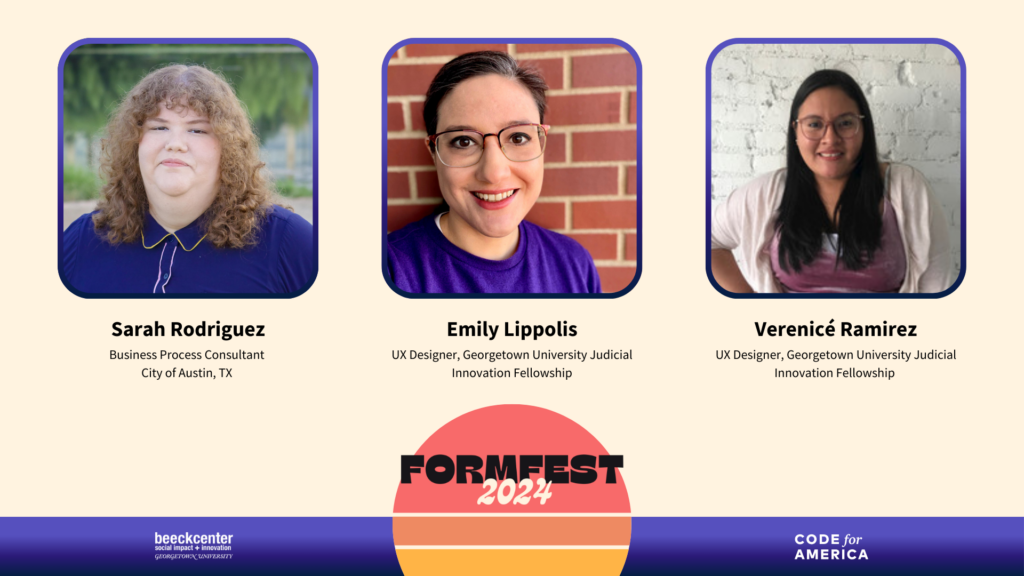
A profile on FormFest speakers Sarah Rodriguez, Emily Lippolis, and Verenice Ramirez, featuring stories about their motivations for working on public sector form innovation.
The article examines the impact of digital interfaces on welfare state administration, focusing on the UK's Universal Credit system and the design elements that shape user interactions and behavior in an "interface first" bureaucracy.
The SDCI User Research Participant Compensation Policy establishes guidelines for providing honoraria to user research participants, ensuring equitable, ethical, and inclusive engagement in SDCI’s UX research.
Seattle Department of Construction & Inspections (SDCI)
This brief synthesizes the manner in which the political and social service environments affect the intergenerational stability of non-citizen families, offering insights into programmatic supports.
American Public Human Services Association (APHSA)
This "Styles" section introduces design tokens that encode brand and design decisions for basic style elements like colors, typography, and spacing, ensuring consistency across Government of Canada digital services.
An event recap from one of FormFest 2024's opening main stage featuring speakers from the Commonwealth of Pennsylvania, State of Maryland, Beeck Center for Social Impact + Innovation, and Code for America.
An event recap from one of FormFest 2024's breakout sessions featuring speakers from the state of Maryland's Department of Social Services and the U.S. Department of Health and Human Services (HHS).
This blog discusses a resource developed by the Digital Service at the Centers for Medicare & Medicaid Services (CMS) to assist individuals in navigating mental health, drug, or alcohol issues and connecting with appropriate support services.
U.S. Department of Health and Human Services (HHS)