
Topic: Engineering + Software Development
-
Integrated Service Delivery (ISD) Product Office Charter
This charter defines the goals, scope and organization of the “Integrated Service Delivery (ISD) Product Office” charged with planning, implementing, governing, and managing all business transformation, change, and systems modernization efforts related to integrated service delivery, focused initially on integrated eligibility and enrollment.
-

Senior Developers
This is a job description for the role of Senior Developers from the Canadian Digital Service (CDS).
-

IT Operations and Security Lead
This is a job description for the role of IT Operations and Security Lead from the Canadian Digital Service (CDS).
-
Engineering Manager
This is a job description for the role of Engineering Manager from the Ontario Digital Service (ODS).
-

Tech Co-op
This is a job description for the role of Tech Co-op from the Ontario Digital Service (ODS).
-
Senior I&IT Architect
This is a job description for the role of Senior I&IT Architect from the Ontario Digital Service (ODS).
-
Cloud Platform Lead
This is a job description for the role of Cloud Platform Lead from the Technology Transformation Services (TTS).
-
Head of Software Development
This is a job description for the role of Head of Software Development from the Canadian Digital Service (CDS).
-
Senior Technical Lead
This is a job description for the role of Senior Technical Lead from the State of California.
-
Low-Code/No-Code Tools: Implementation and Insights from the Field
An overview on how U.S. Digital Response has used low-code/no-code tools internally as well as with our government partners
-
Front End Web Developer / Engineer
This is a job description for the role of Front End Web Developer / Engineer from the State of California.
-
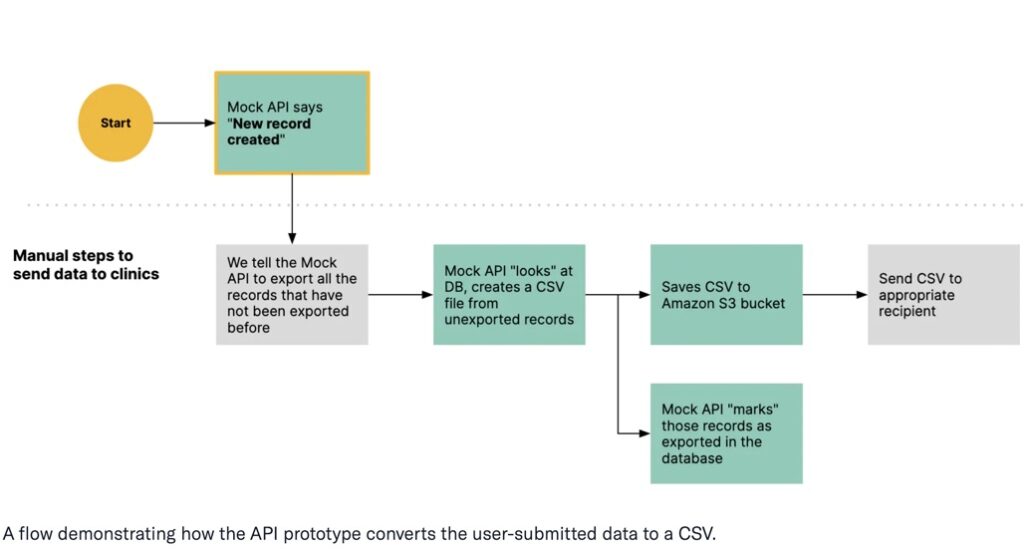
Project Snapshot: Learning Towards an API Standard for WIC
Nava PBC developed a prototype API and digital screener in Montana to streamline eligibility and enhance program access, illustrating how API standards could improve interoperability and modernize WIC systems nationwide.