An updated guide for public sector and civic data users to embed racial equity and community voice throughout the data life cycle—from planning to dissemination.
A case study on how North Carolina leveraged human-centered design, interagency collaboration, and data-sharing strategies to improve cross-enrollment in SNAP, WIC, and Medicaid, aiming to reduce administrative burden and better serve families.
American Public Human Services Association (APHSA)
“Interoperability” refers to systems’ ability to interact with each other to share data so that a customer is connected with as many benefits as possible in an efficient way. The Affordable Care Act (ACA) was originally intended to be interoperable, but this has not occurred yet. Promoting interoperability in the ACA is imperative, as it would help alleviate food insecurity through automatic benefits enrollment.
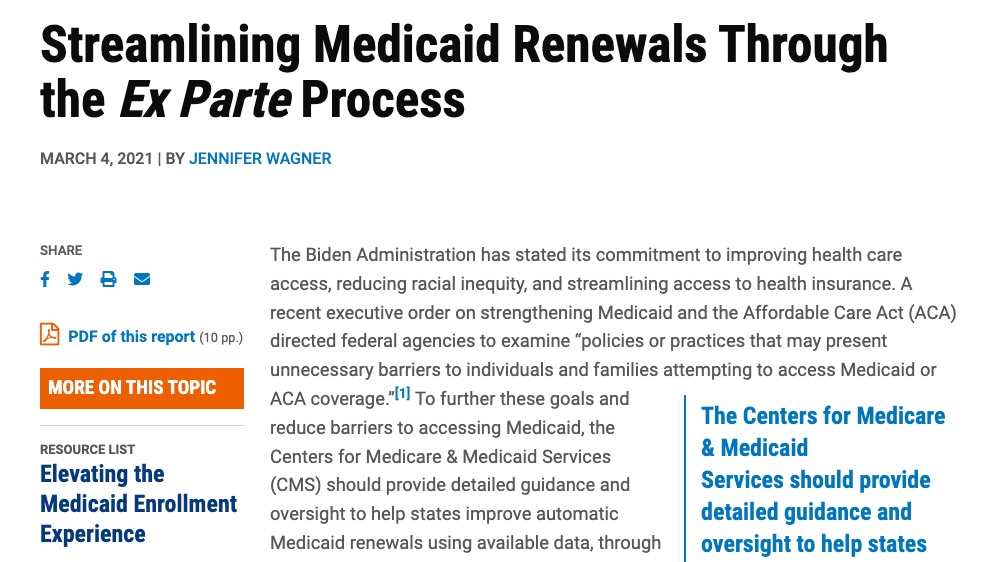
The report discusses how state Medicaid agencies can enhance efficiency and maintain coverage for eligible individuals by implementing ex parte renewals, which automatically renew beneficiaries' coverage using existing data without requiring action from enrollees.
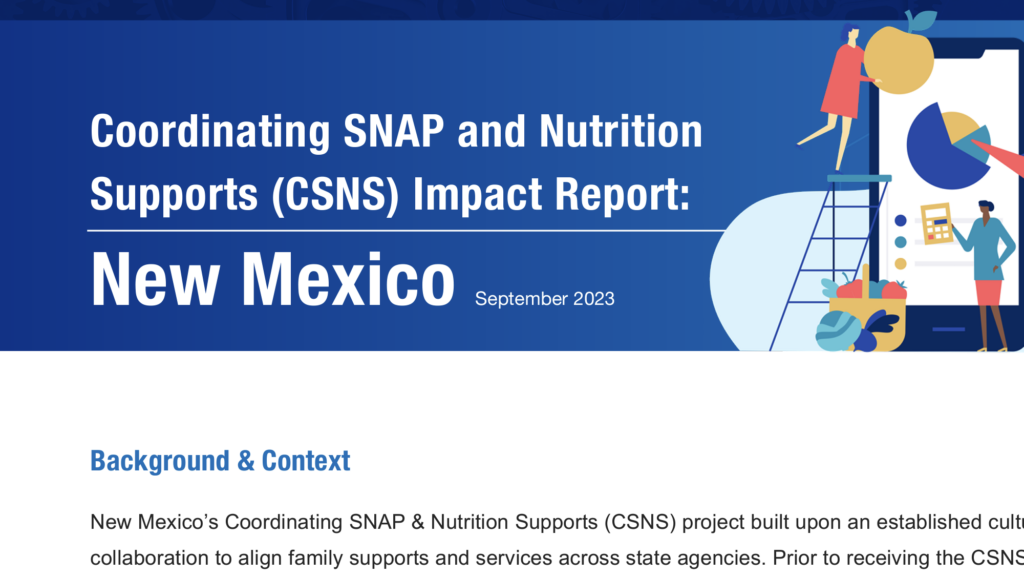
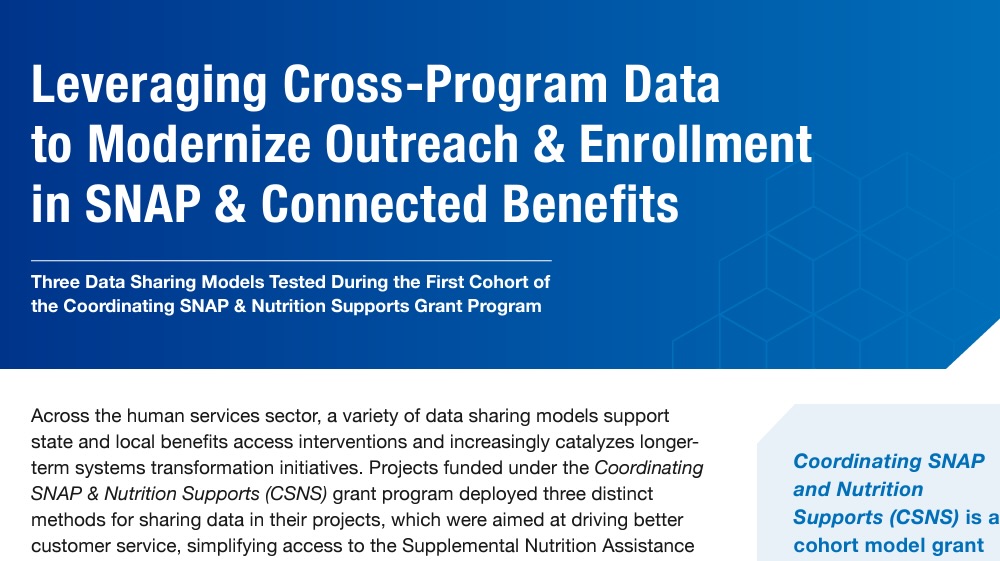
The New Mexico Human Services Department and Department of Health, as part of the Coordinating SNAP & Nutrition Supports program, leveraged data sharing to align SNAP, Medicaid, TANF, and WIC.
American Public Human Services Association (APHSA)
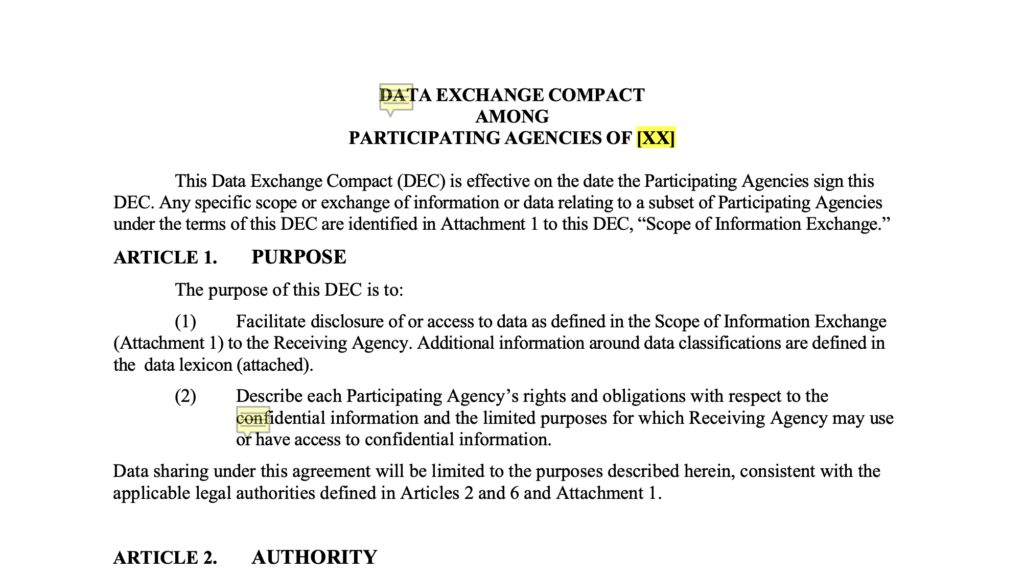
A comprehensive template for establishing legally compliant data-sharing agreements between government agencies, defining authorized purposes, privacy protections, security requirements, and governance responsibilities.
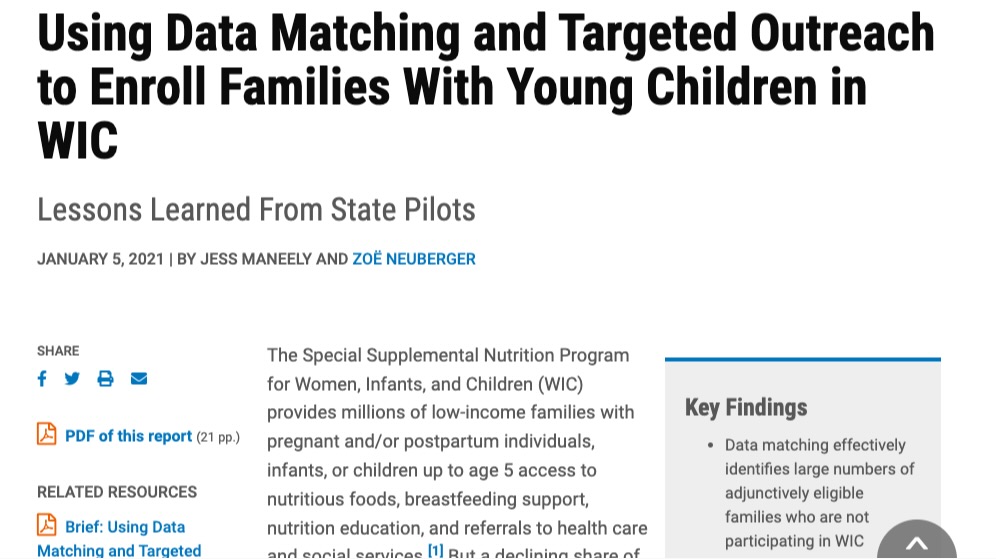
The report examines pilot projects in multiple states that utilized data matching and targeted outreach to enroll eligible families with young children in the WIC program, demonstrating the effectiveness of this approach in increasing participation rates.
This resource provides examples and practical guides that explain how to use existing regulations and data sharing agreements to transfer client information or eligibility status between benefit programs.