This report evaluates the effectiveness and implementation of a generative AI-powered assistive chatbot designed to help caseworkers navigate complex public benefit programs like Medicaid and SNAP.
A workshop led by Elham Ali on integrating the principles of human-centered design and equity to Artificial Intelligence (AI) design, use, and evaluation.
This report investigates how D.C. government agencies use automated decision-making (ADM) systems and highlights their risks to privacy, fairness, and accountability in public services.
In this piece, the Digital Benefits Network shares several sources—from journalistic pieces, to reports and academic articles—we’ve found useful and interesting in our reading on automation and artificial intelligence.
This report on the use of Generative AI in State government presents an initial analysis of the potential benefits to individuals, communities, government and State government workers, while also exploring potential risks.
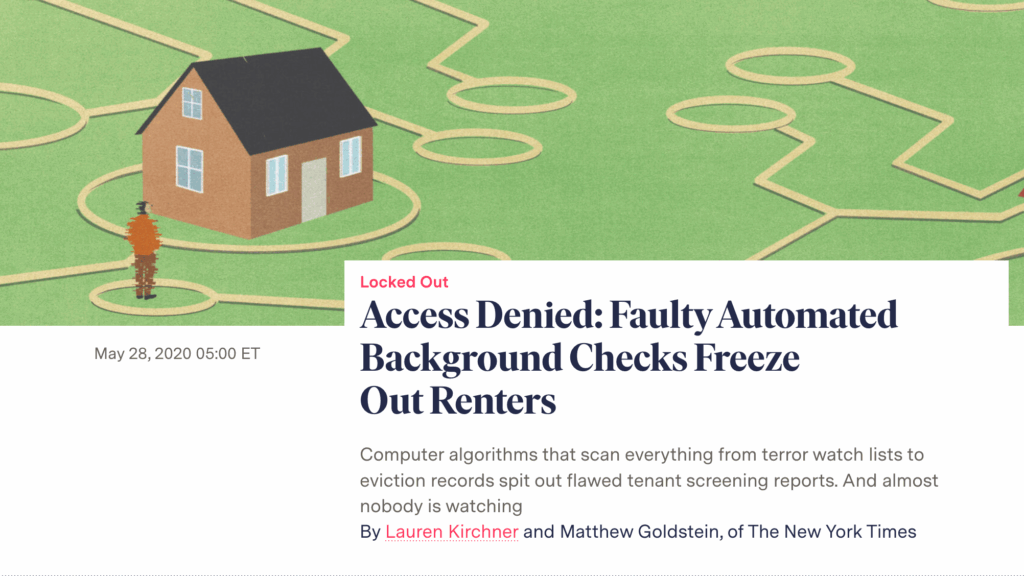
This reporting explores how algorithms used to screen prospective tenants, including those waiting for public housing, can block renters from housing based on faulty information.
The Commonwealth of Pennsylvania's Executive Order 2023-19: Expanding and Governing the Use of Generative Artificial Intelligence Technologies Within the Commonwealth of Pennsylvania
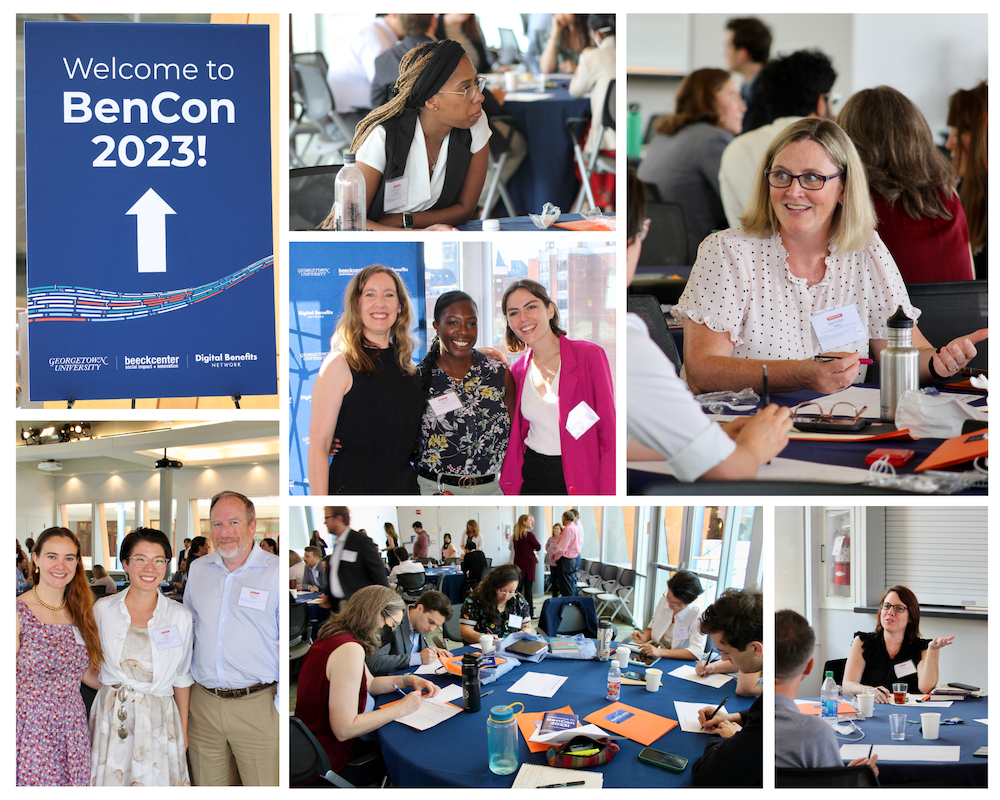
The article discusses key takeaways from BenCon 2023, highlighting the importance of creating equitable and ethical public benefits technology. It emphasizes the need for tech solutions that address systemic inequalities, ensure accessibility, and promote inclusivity for underserved communities in accessing public services.
Errors in administrative processes are costly and burdensome for clients but are understudied. Using U.S. Unemployment Insurance data, this study finds that while automation improves accuracy in simpler programs, it can increase errors in more complex ones.
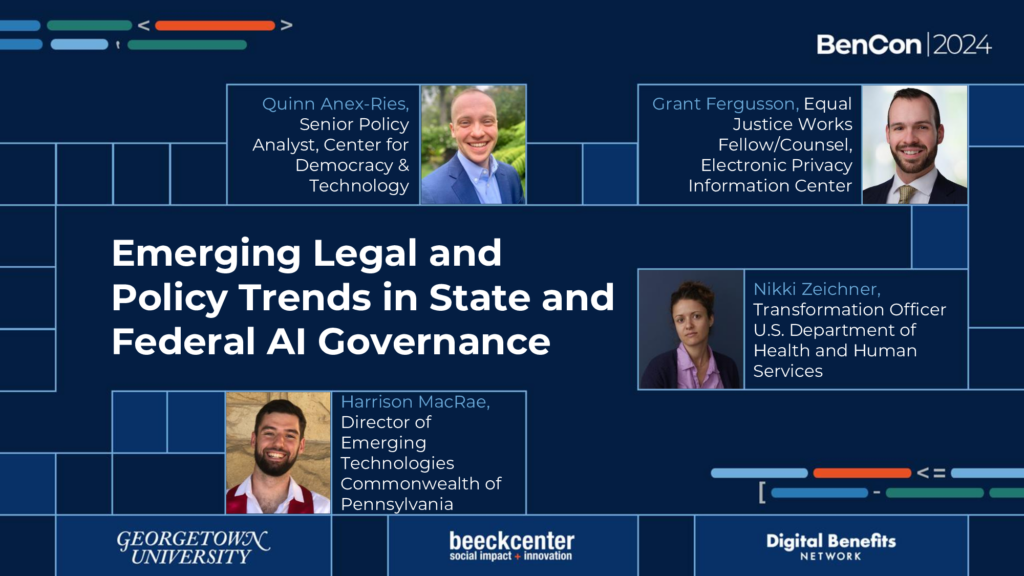
BenCon 2024 explored state and federal AI governance, highlighting the rapid increase in AI-related legislation and executive orders. Panelists emphasized the importance of experimentation, learning, and collaboration between government levels, teams, agencies, and external partners.
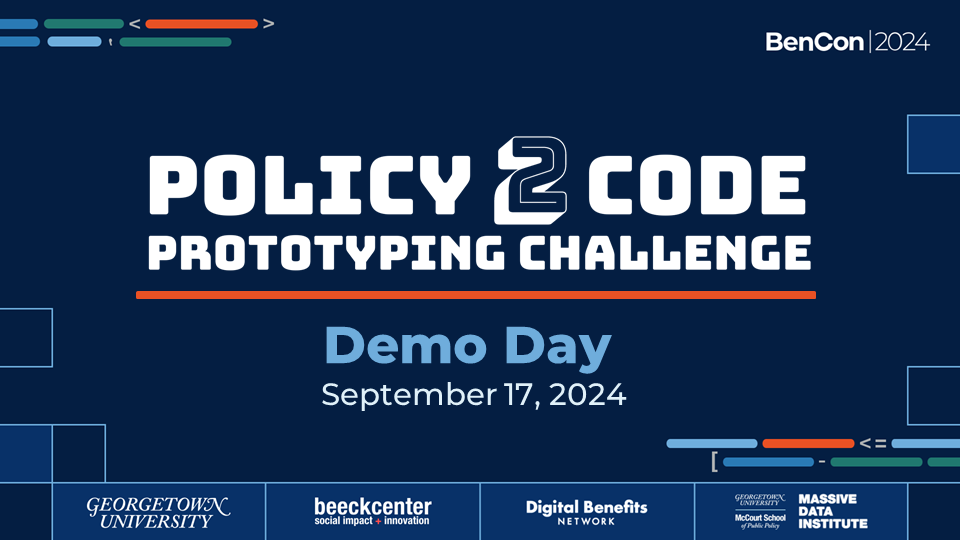
The Policy2Code Prototyping Challenge explored utilizing generative AI technology to translate U.S. government policies for public benefits into plain language and code, culminating in a Demo Day where twelve teams showcased their projects for feedback and evaluation.