This workshop summary provides practical guidance for web developers and designers on implementing accessible web design practices, emphasizing the importance of inclusivity and usability for all users.
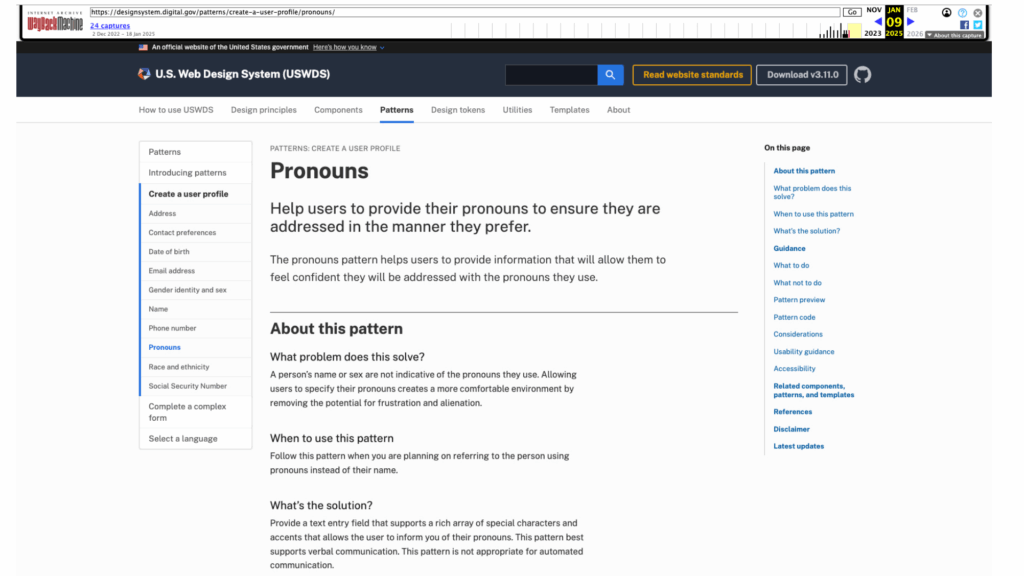
This page provides a U.S. Web Design System pattern for collecting pronoun information in user profiles in a way that respects identity, supports data standards, and promotes inclusion.
This design system accessibility checklist ensures that all components and design tokens meet or exceed the WCAG 2.1 AA standards, aligning fully with Government of Canada accessibility requirements.
This session from FormFest 2024 features Arizona’s form improvement capacity building initiative and Massachusetts’ form improvements that were a result of the Delivering a Digital-First Public Experience act.
This article shares insights from Minnesota-based focus groups, revealing that low-income women navigating unemployment insurance often face confusion and uncertainty around eligibility, complex administrative processes, and additional challenges related to childcare, housing stability, and mistrust of benefit systems.
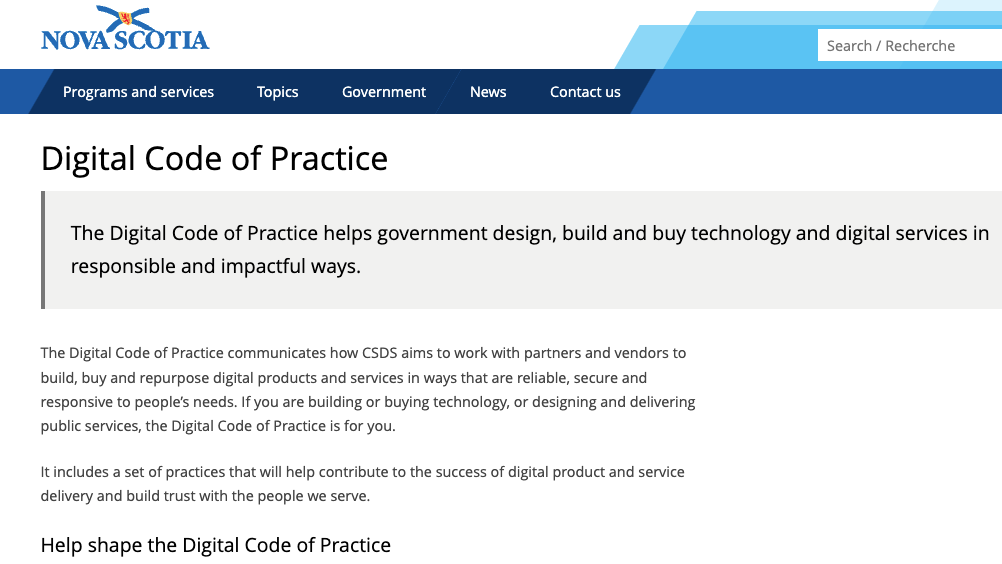
A guiding framework for designing, building, buying, and maintaining digital government services in Nova Scotia that emphasizes trust, inclusivity, sustainability, and public value.
A comprehensive survey-based analysis of Boston residents’ access to internet, devices, and digital skills, with a focus on equity across priority populations including low-income households, seniors, immigrants, and formerly incarcerated individuals.
The Digital Benefits Network at the Beeck Center for Social Impact + Innovation at Georgetown University and Public Policy Lab co-hosted a webinar presenting breaking research on beneficiary experiences with digital identity processes in public benefits.
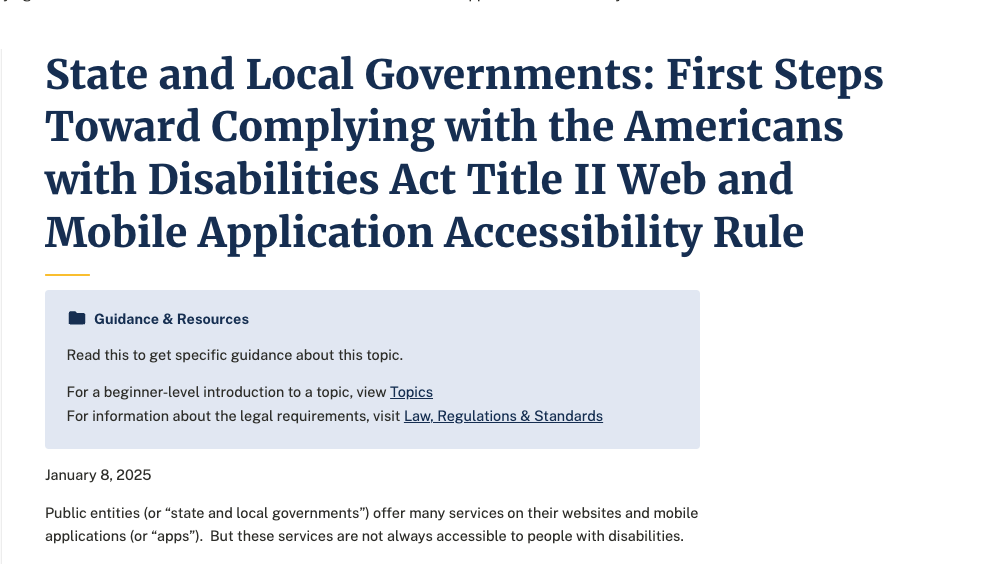
A guidance resource for state and local governments outlining first-step actions to prepare for compliance with the new web and mobile accessibility rule under Americans with Disabilities Act (ADA).