The article examines the participation of adults aged 50 and older in the Supplemental Nutrition Assistance Program (SNAP) in 2022, highlighting the program's role in reducing food insecurity and poverty among older adults, especially those with disabilities.
This fact sheet outlines the key principles for designing an effective Child Tax Credit that reduces child poverty, supports working families, promotes racial and economic equity, and delivers long-term benefits for children and the economy.
These fact sheets provide detailed, state-specific data illustrating SNAP's role in reducing hunger and bolstering local economies across the United States
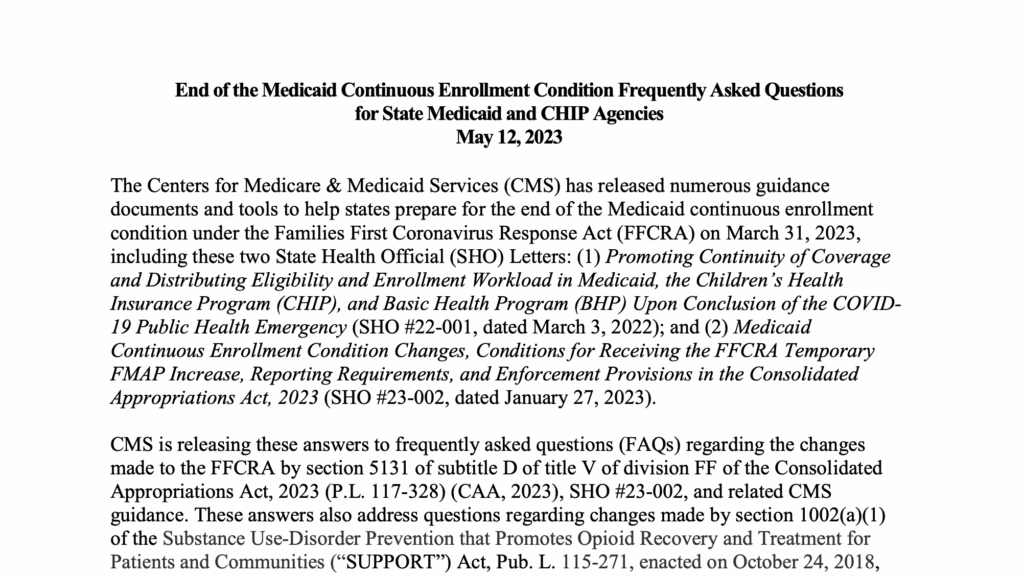
A detailed CMS FAQ document providing federal guidance to state Medicaid and CHIP agencies on policies, procedures, and beneficiary protections following the end of the Medicaid continuous enrollment condition under the Families First Coronavirus Response Act (FFCRA).
The article highlights the growing issue of SNAP benefit theft through skimming and advocates for permanent security measures and benefit replacements to protect vulnerable households.
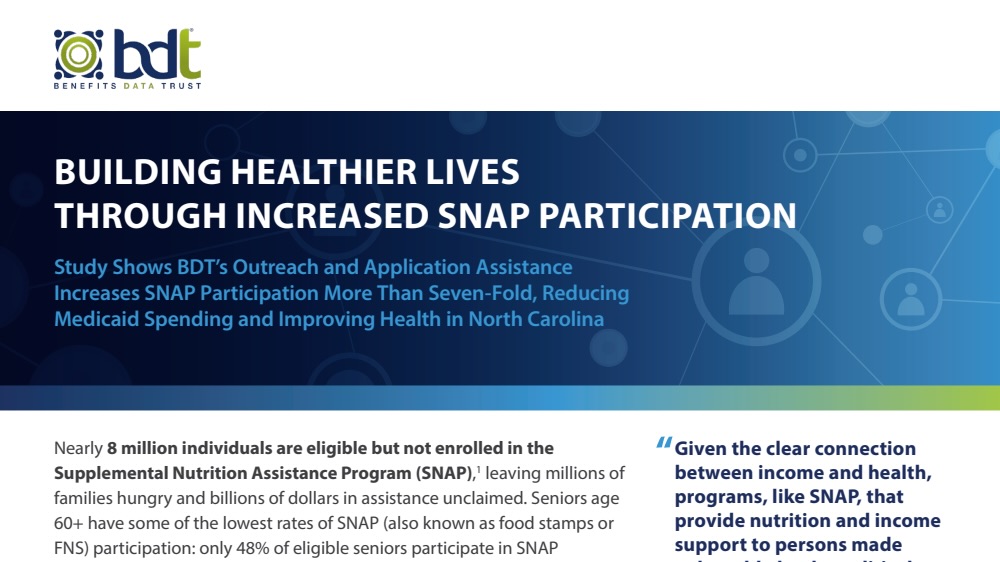
A study shows that Benefits Data Trust’s outreach and application assistance significantly increased SNAP enrollment among North Carolina seniors, improving health outcomes and reducing Medicaid costs.
This cheat sheet helps job seekers translate private-sector technology roles and skills into equivalent U.S. government job classifications and titles.
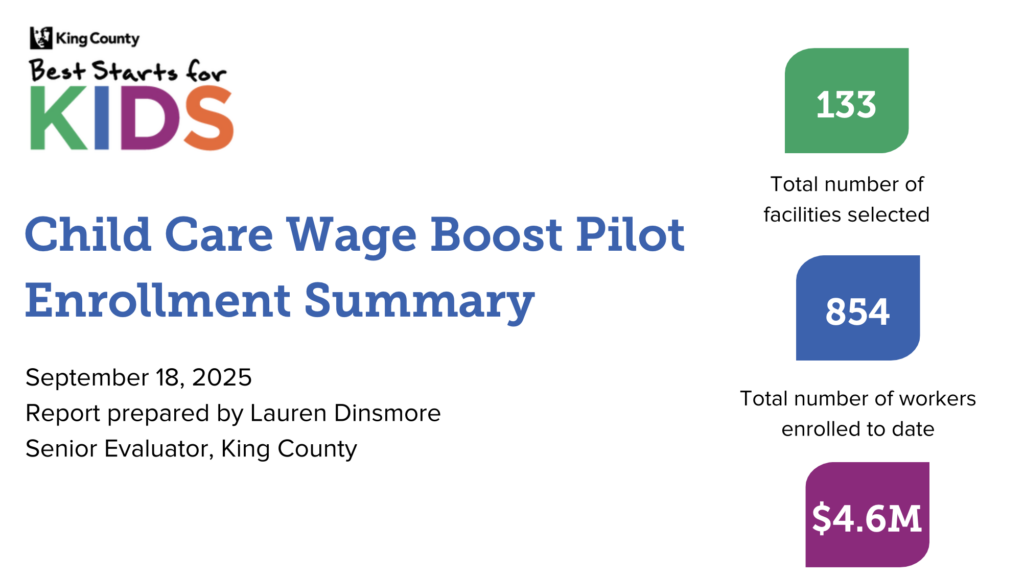
A data snapshot summarizing enrollment, participation, and early characteristics of workers and facilities participating in a child care wage boost pilot.
Fact sheet associated with policy guidance from the Office of Management and Budget (OMB) providing guidance on "The Delivering a Digital-First Public Experience."