This fact sheet outlines the key principles for designing an effective Child Tax Credit that reduces child poverty, supports working families, promotes racial and economic equity, and delivers long-term benefits for children and the economy.
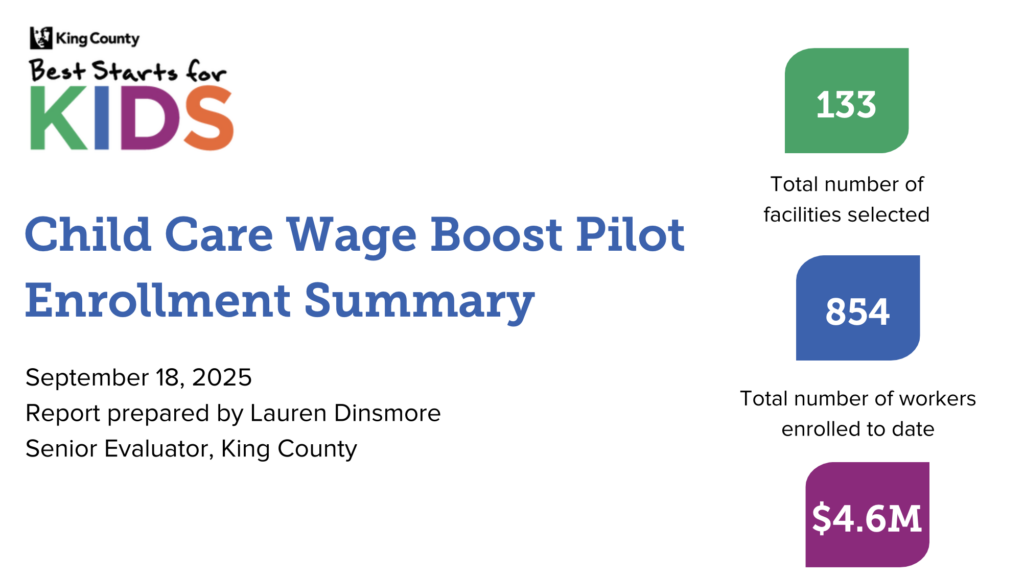
A data snapshot summarizing enrollment, participation, and early characteristics of workers and facilities participating in a child care wage boost pilot.
The article examines the participation of adults aged 50 and older in the Supplemental Nutrition Assistance Program (SNAP) in 2022, highlighting the program's role in reducing food insecurity and poverty among older adults, especially those with disabilities.
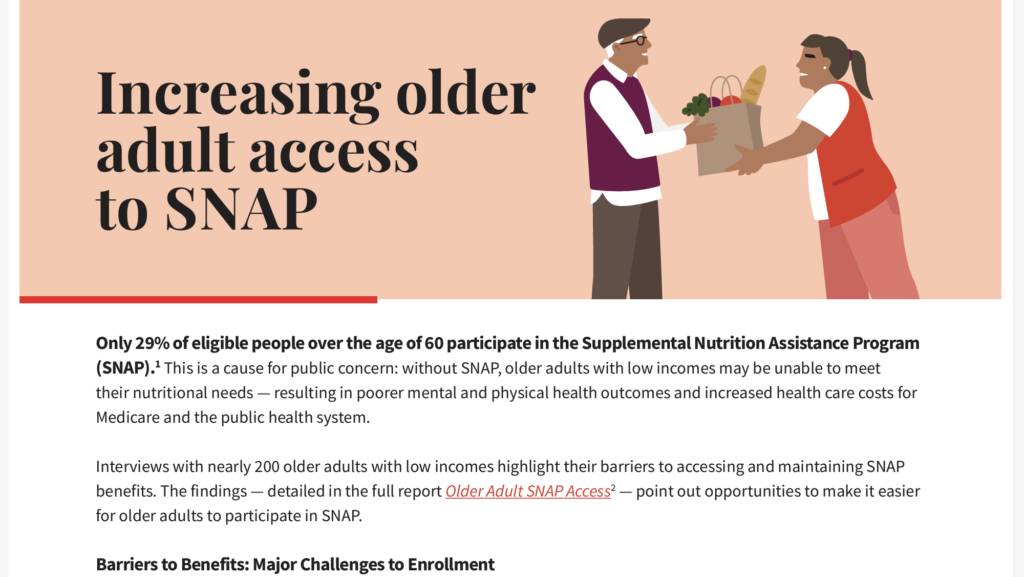
This brief highlights the complex journey that older adults experience when applying for and enrolling in SNAP, including the major barriers and solutions that improve access along the way.
A study shows that Benefits Data Trust’s outreach and application assistance significantly increased SNAP enrollment among North Carolina seniors, improving health outcomes and reducing Medicaid costs.
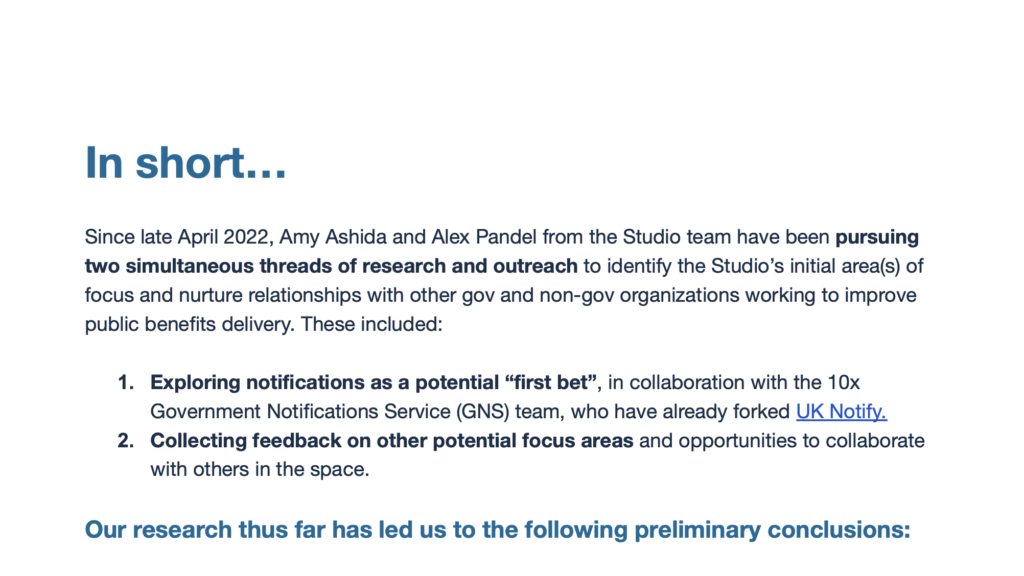
A research snapshot summarizing early findings from outreach and discovery work to identify high-impact opportunities for improving public benefits delivery, with an initial focus on notifications.
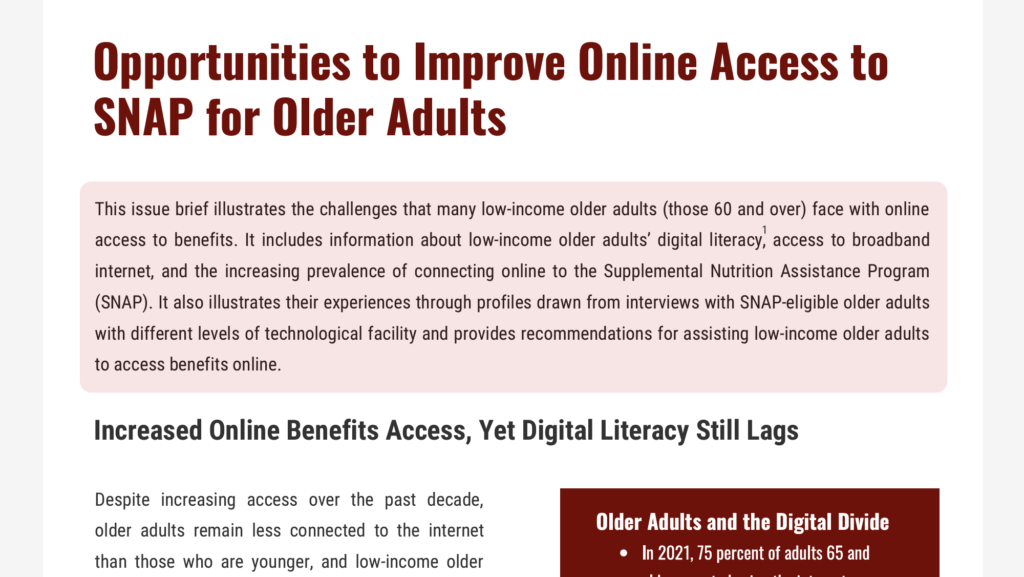
This issue brief illustrates the challenges that many older adults with low income face in gaining access to benefits online. It addresses digital literacy, access to broadband internet, and the increasing prevalence of connecting online to SNAP.