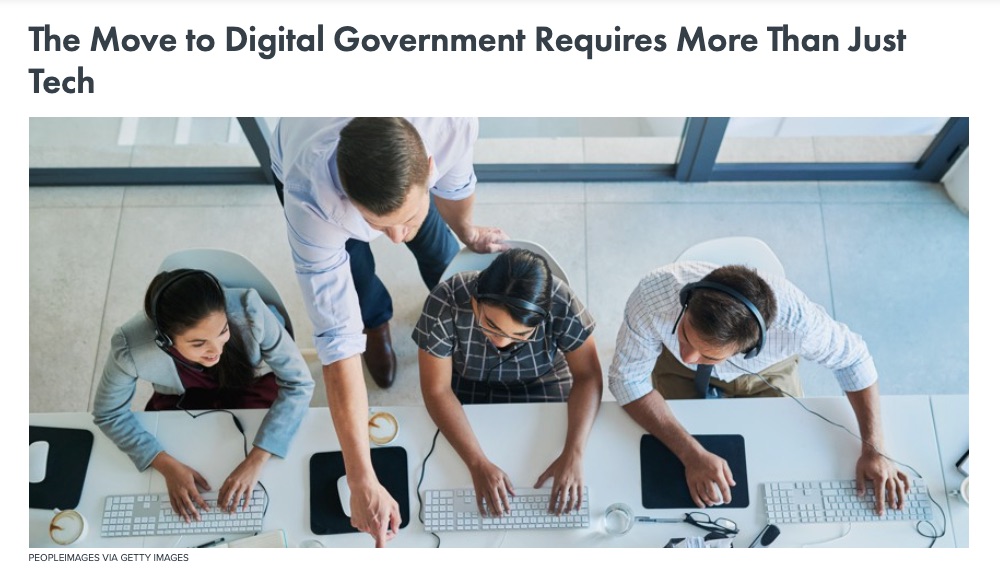
As they transition to providing more services online, there are ways governments can get creative working around talent shortages and entrenched bureaucracies.
In a time of crisis, behavioral science offers insights into how to reduce the paperwork and other administrative burdens that prevent people from taking advantage of crucial support services.
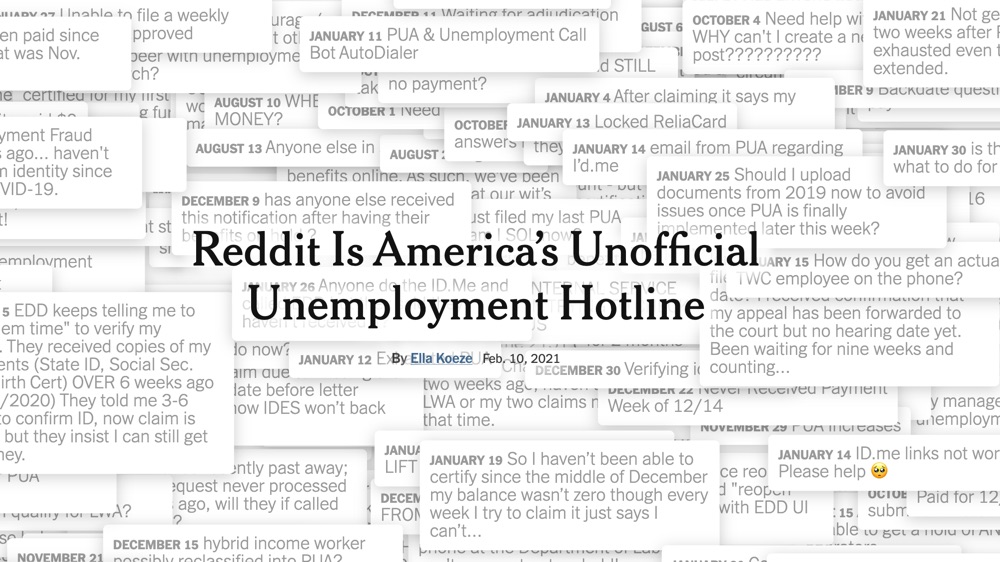
Reddit's unemployment forums have become vital support networks during the pandemic, offering advice, emotional support, and a sense of community to those navigating job loss and financial hardship.
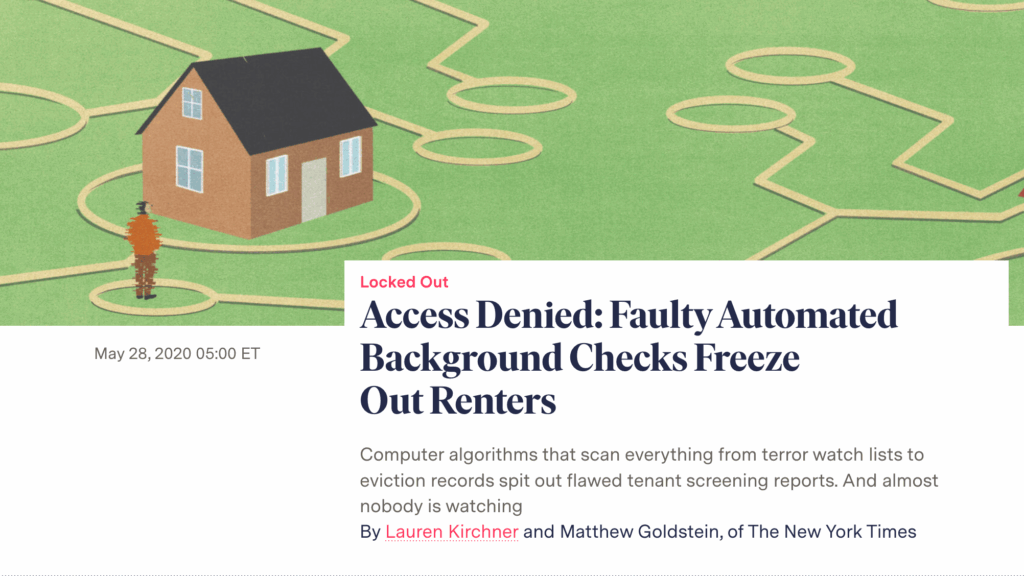
This reporting explores how algorithms used to screen prospective tenants, including those waiting for public housing, can block renters from housing based on faulty information.
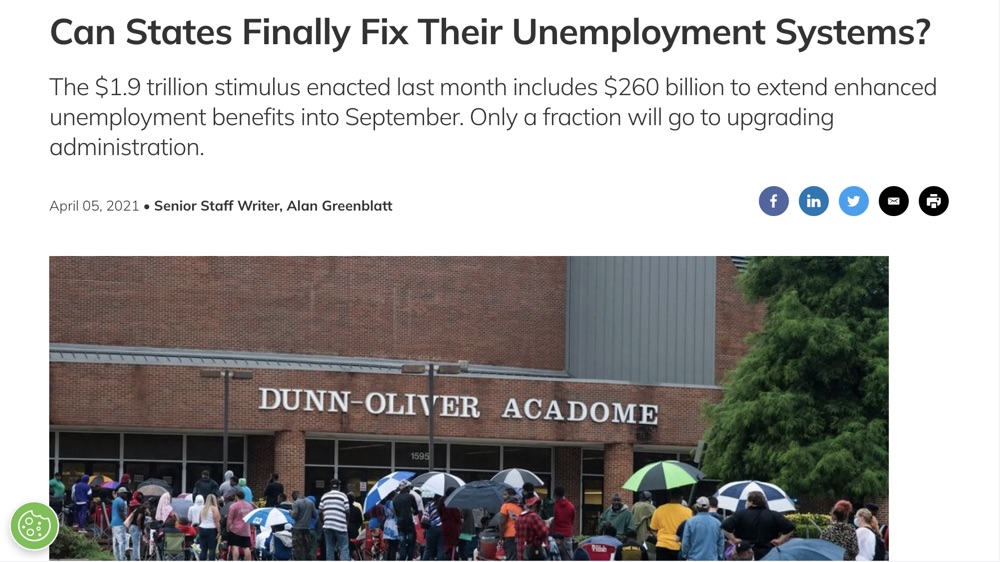
This article explores ongoing efforts to modernize state unemployment insurance (UI) systems, addressing long-standing inefficiencies and challenges exposed by the COVID-19 pandemic.
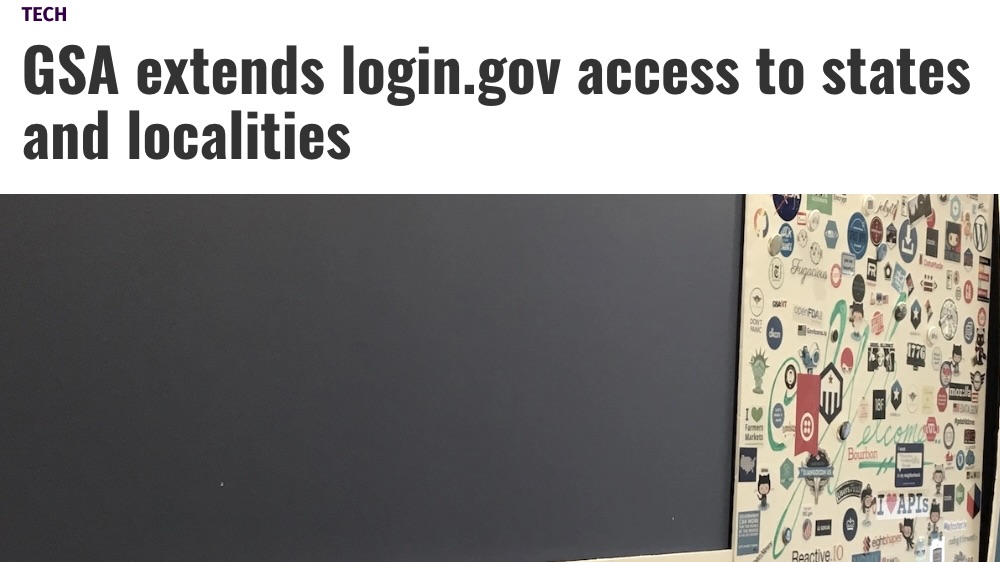
This article describes the General Services Administration’s efforts to get a limited number of state and local governments to try login.gov with their federally funded programs.
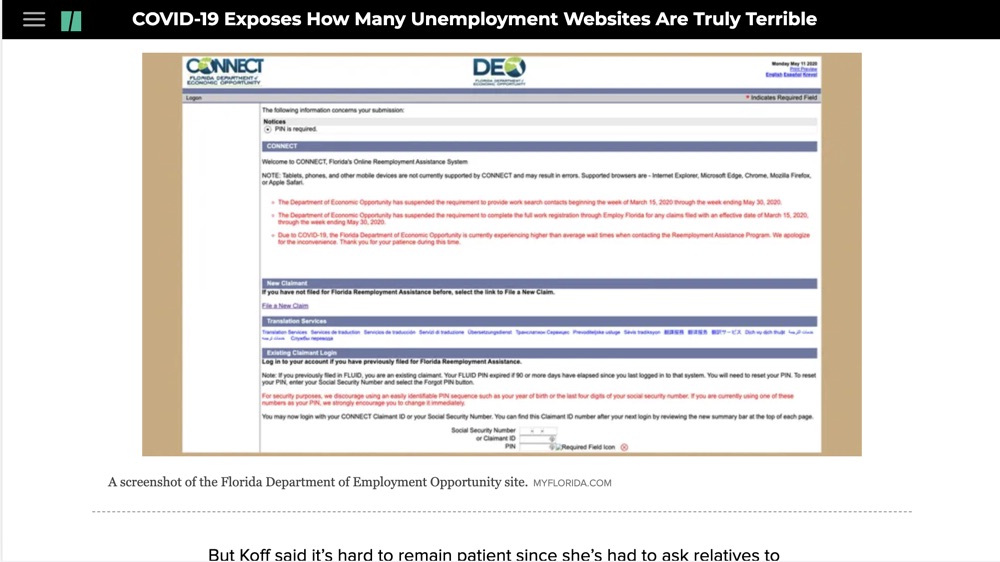
This HuffPost article investigates the widespread failures of state unemployment websites during the COVID-19 pandemic, highlighting outdated technology, accessibility issues, and the human impact of these systemic breakdowns.
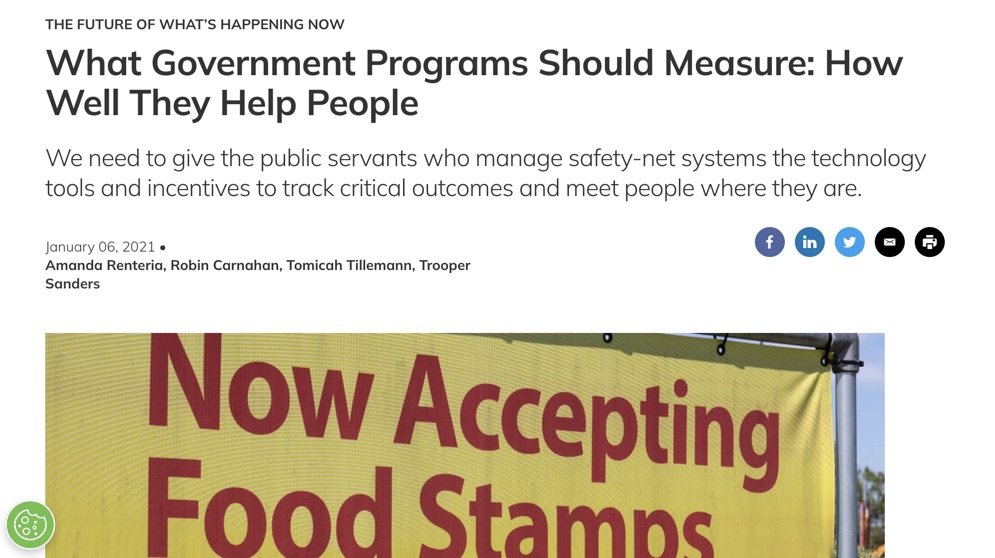
It is necessary give the public servants who manage safety-net systems the technology tools and incentives to track critical outcomes and meet people where they are.
Article describing the “time tax,” the costs to people applying or benefits in terms of spending substantial amounts of time navigating user-unfriendly interfaces. The article describes the necessity of simplifying safety-net programs and cross-coordinating across various social service programs.
This article from Civil Eats explores how expanding online purchasing options for SNAP recipients can improve food security, especially in the wake of the COVID-19 pandemic.