Blog post authored by U.S. Digital Response discussing best practices for creating inclusive, accessible, and affirming government services for LGBTQ+ populations gleaned from their recent work in the City of Boston.
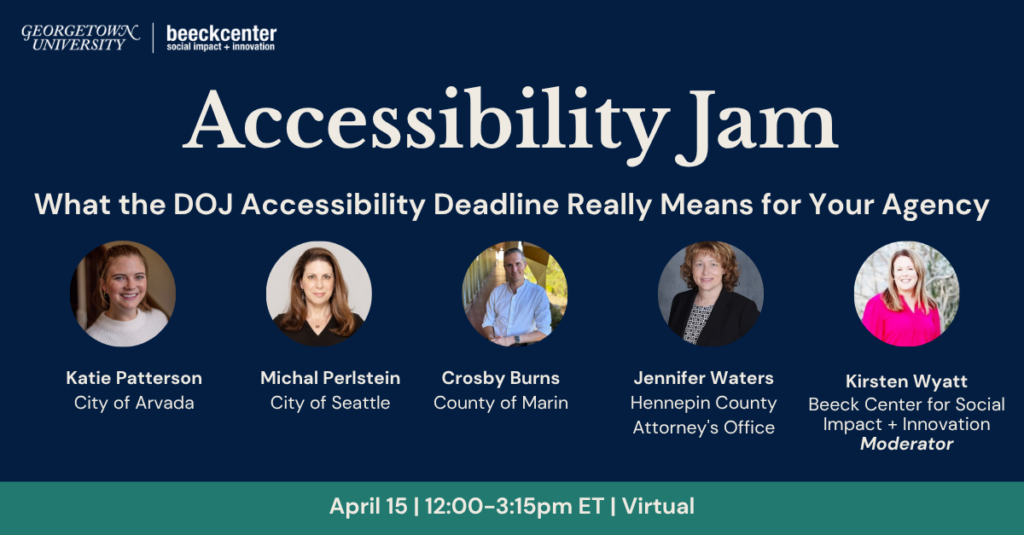
A11y Jam session focused on how local governments are advancing DOJ accessibility compliance using practical, resource-conscious strategies across high-impact digital services.
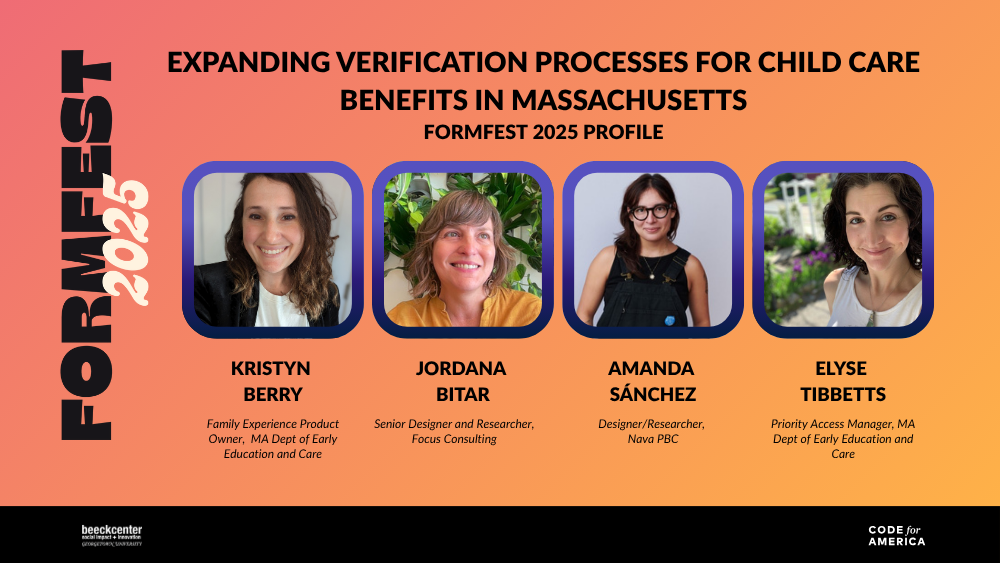
This FormFest profile examines how Massachusetts’ Department of Early Education and Care is modernizing its child care benefits system through human-centered design, making verification and application processes simpler, more compassionate, and more efficient for families and staff.
This policy report offers recommendations for improving digital identity practices in the United States, emphasizing the role of government in creating secure, accessible digital identity resources.
This blog post discusses strategies that states can implement to make public assistance applications more accessible during the COVID-19 crisis, emphasizing the importance of flexibility in application processes to accommodate increased demand and social distancing measures.
Code for America’s Integrated Benefits Initiative has been working in partnership with the State of Colorado to demonstrate how user-centered approaches lead to measurably better delivery of safety net programs. This article describes their work with the state of Colorado in simplifying how clients report common life changes that can affect their eligibility.
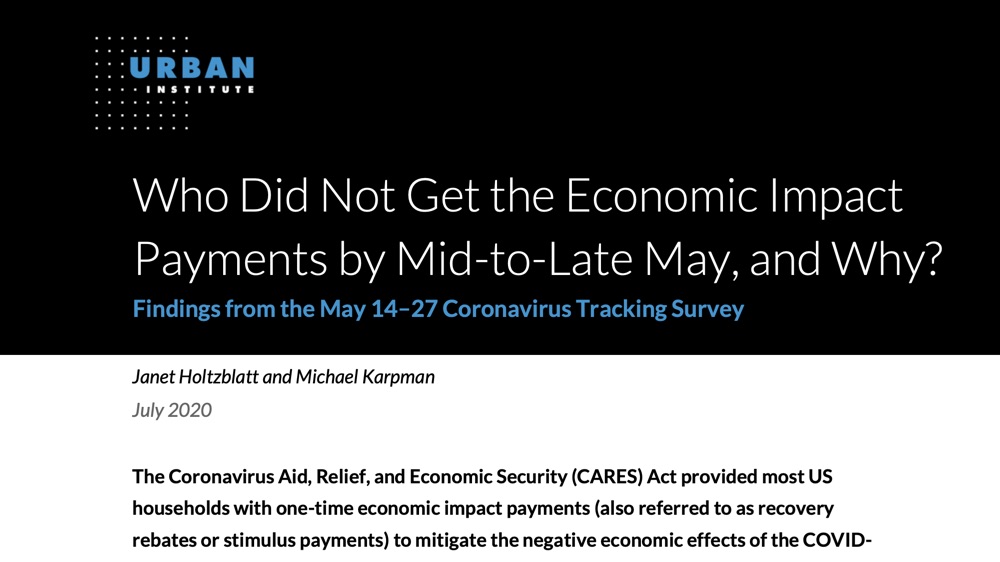
Disparities in Economic Impact Payment (EIP) receipt during the COVID-19 pandemic disproportionately affected low-income households, communities of color, and individuals without tax filing histories.
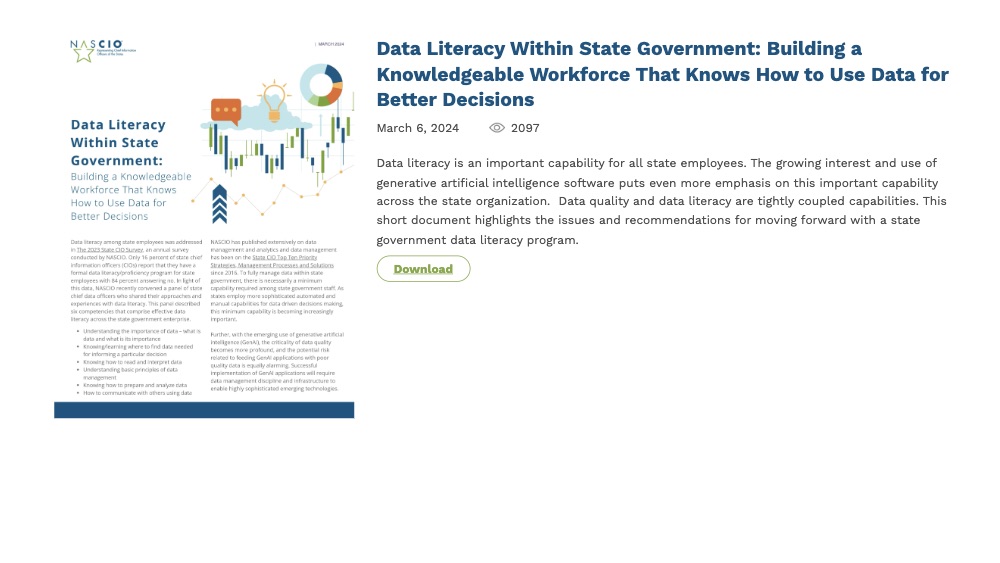
The National Association of State Chief Information Officers (NASCIO) convened a panel of state chief data officers who shared their approaches and experiences with data literacy. The panel provides recommendations for establishing a state-level data literacy program, ensuring that employees understand how to use data effectively for better decision-making.
National Association of State Chief Information Officers (NASCIO)
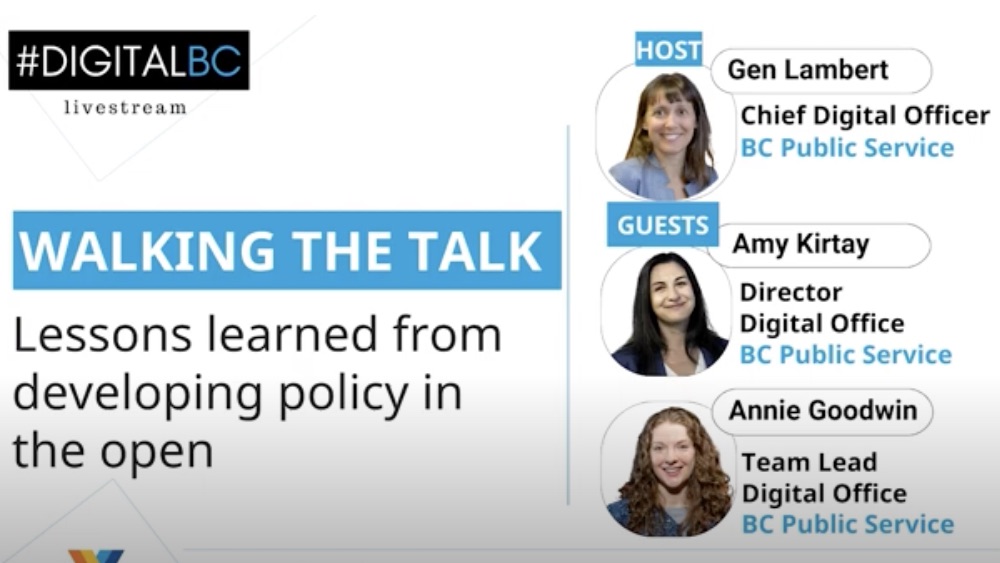
Join host Gen Lambert as she welcomes Annie Goodwin and Amy Kirtay to the table for this special edition #DigitalBC Livestream, "Walking the Walk: Lessons learned from developing policy in the open."