The AI RMF Playbook offers organizations detailed, voluntary guidance for implementing the NIST AI Risk Management Framework to map, measure, manage, and govern AI risks effectively.
National Institute of Standards and Technology (NIST)
This article shares insights from Minnesota-based focus groups, revealing that low-income women navigating unemployment insurance often face confusion and uncertainty around eligibility, complex administrative processes, and additional challenges related to childcare, housing stability, and mistrust of benefit systems.
This profile provides a cross-sectoral profile of the AI Risk Management Framework specifically for Generative AI (GAI), outlining risks unique to or exacerbated by GAI and offering detailed guidance for organizations to govern, map, measure, and manage those risks responsibly.
National Institute of Standards and Technology (NIST)
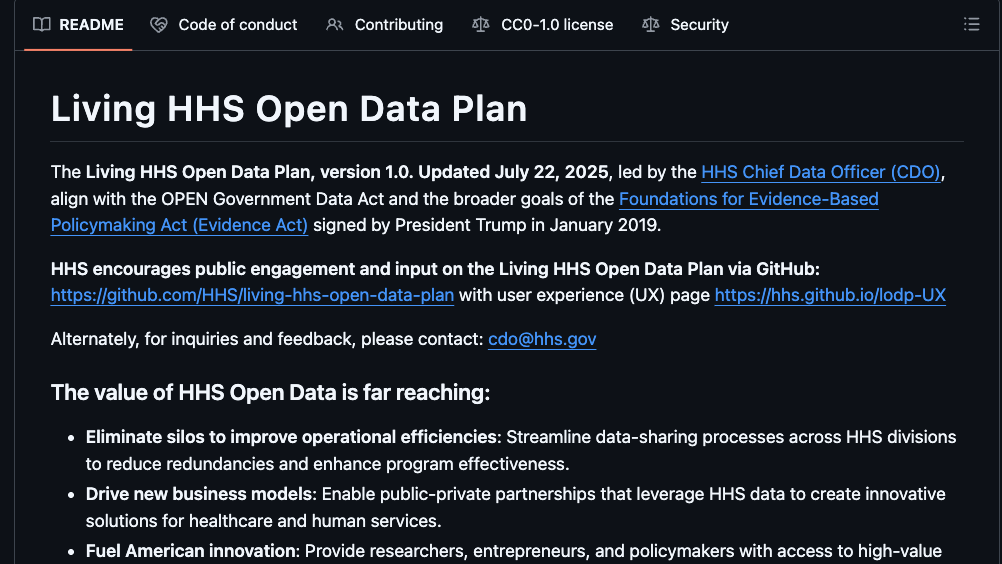
This is a modular, dynamic roadmap guides the U.S. HHS's ongoing implementation of open data policies while inviting public collaboration and feedback.
U.S. Department of Health and Human Services (HHS)
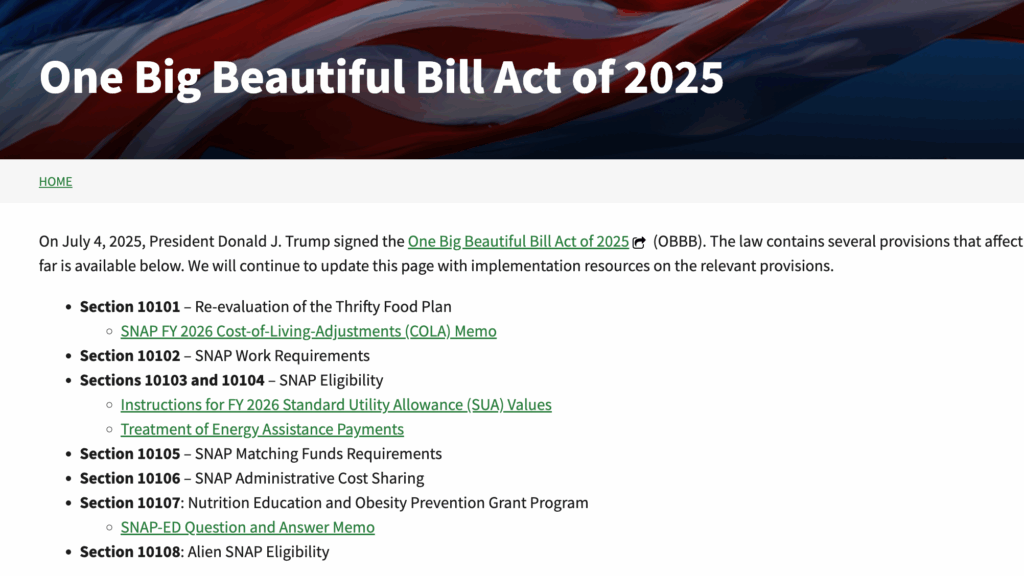
This webpage provides state agency resources and policy memos detailing how the One Big Beautiful Bill Act (H.R. 1) of 2025 affects SNAP implementation.
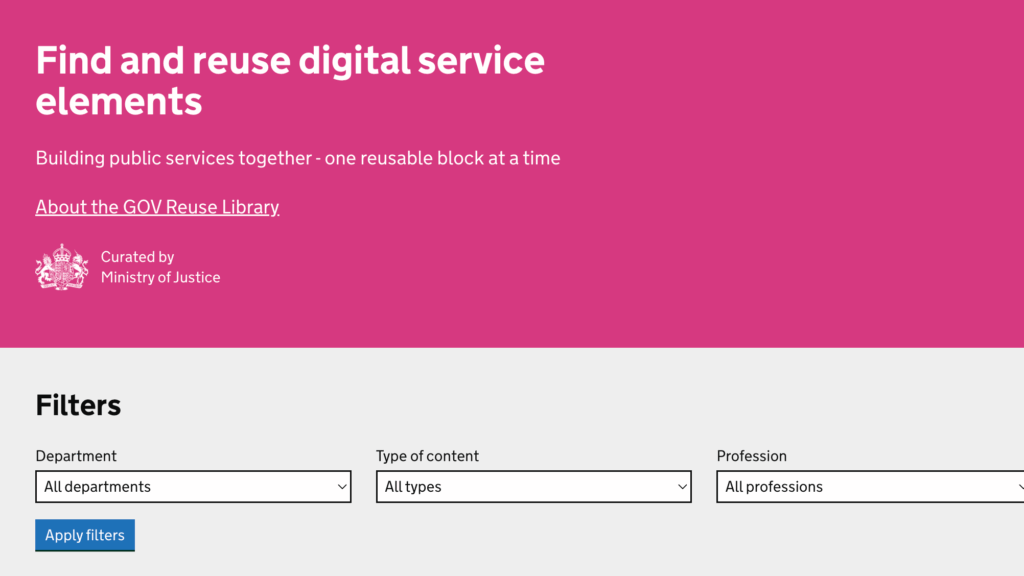
This is a government catalog of reusable digital service components, templates, and patterns designed to help public sector teams build services more efficiently and consistently.
This section of the Building Resilience plan outlines strategies to improve the long-term solvency and sustainability of state unemployment insurance (UI) trust funds through better funding practices and legislative reform.
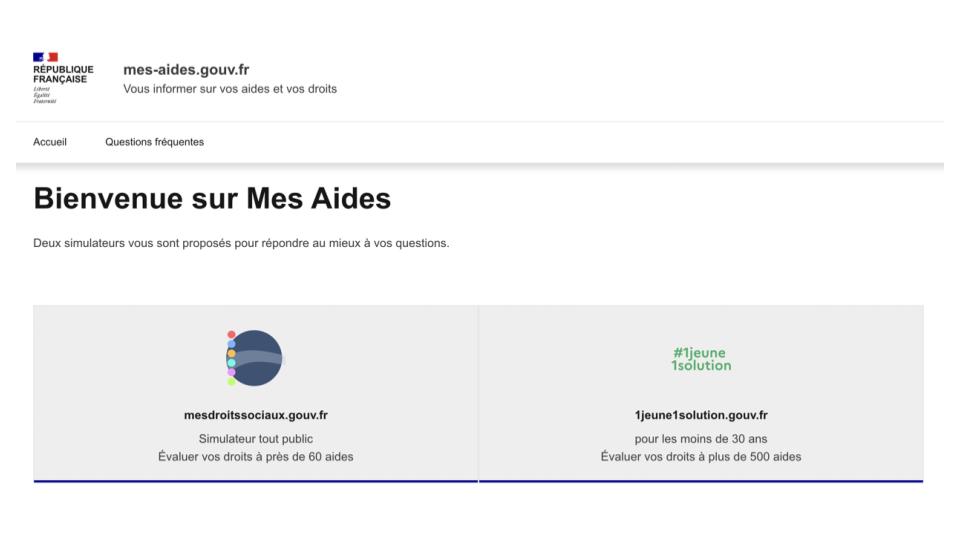
beta.gouv.fr, a French government incubator, developed Mes Aides, an online benefits simulator launched in 2014 to help residents assess their eligibility for various social programs, addressing the issue of unclaimed benefits. The tool, built with open-source technology, enabled users to quickly estimate their potential benefits but was later integrated into a broader platform in 2020 following internal government disputes over authority.