This playbook provides federal agencies with guidance on implementing AI in a way that is ethical, transparent, and aligned with public trust principles.
U.S. Department of Health and Human Services (HHS)
Comprehensive and sustained improvement in benefits access and customer experience requires changes across policy, operations, technology, staffing, procurement, and more. This guide offers a collection of actions and best practices for states to apply.
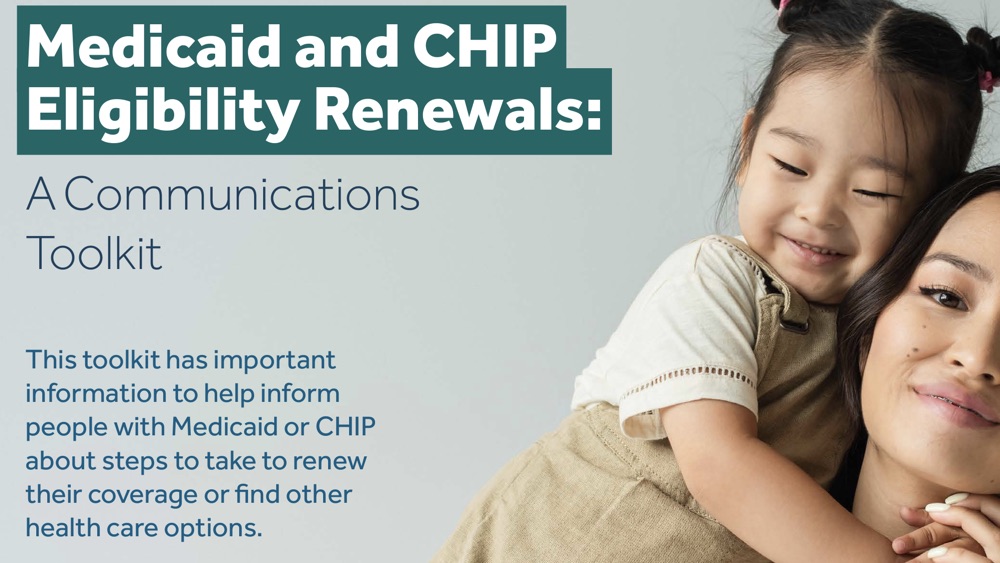
This resource is a communications toolkit designed to help states and stakeholders inform Medicaid and CHIP recipients about the eligibility renewal process, ensuring they take necessary steps to maintain or transition to alternative health coverage.
This toolkit provides resources for training and technical assistance (T/TA) providers in the Child Care Technical Assistance Network (CCTAN) to help State, Territory, and Tribal CCDF Lead Agencies be prepared to conduct equity assessments.
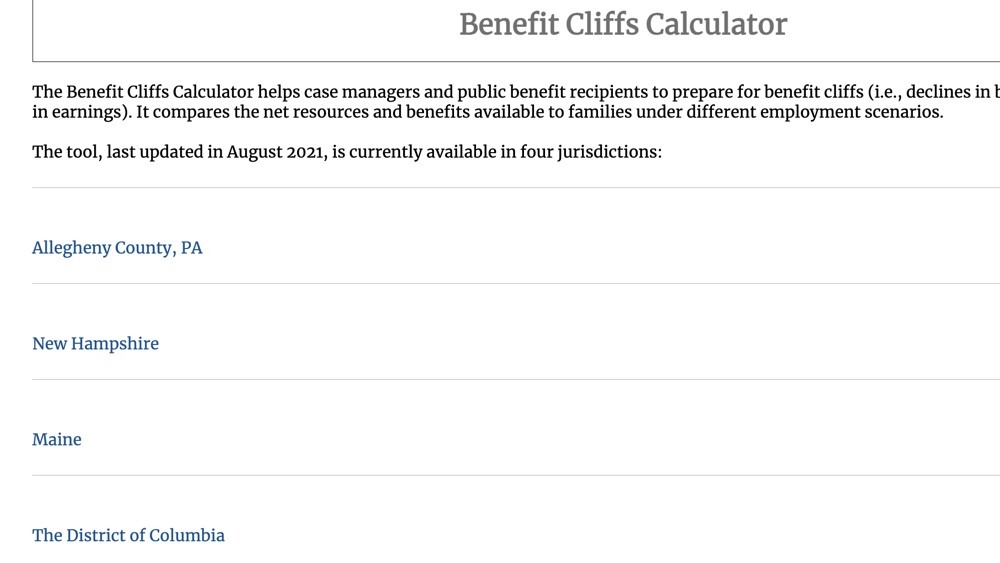
The Benefit Cliffs Calculator helps case managers and public benefit recipients to prepare for benefit cliffs (i.e., declines in benefits due to an increase in earnings). It compares the net resources and benefits available to families under different employment scenarios.
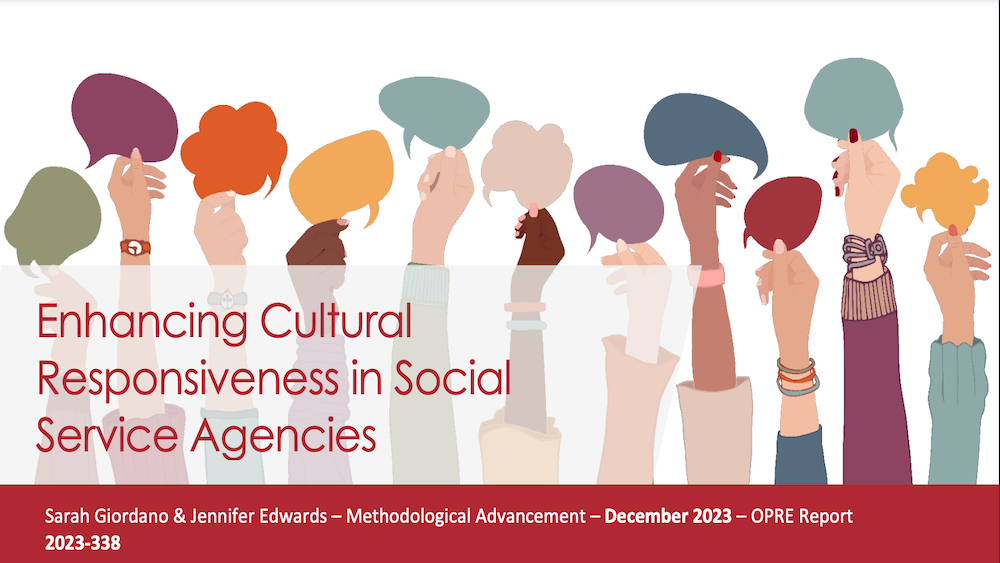
This OPRE brief provides strategies for enhancing cultural responsiveness in social service agencies, focusing on improving services for diverse communities through organizational change, staff development, and culturally informed program design.
U.S. Department of Health and Human Services (HHS)
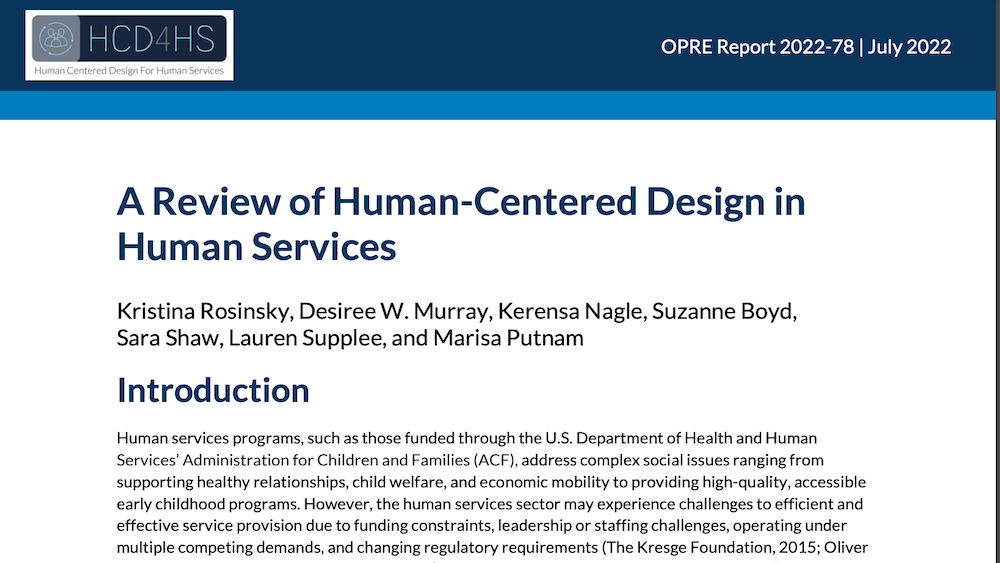
In this brief, they present a definition of HCD that is applicable to the context of human services delivery, differentiate HCD from similar design and problem-solving approaches, and describe how HCD is being used in human services.
U.S. Department of Health and Human Services (HHS)
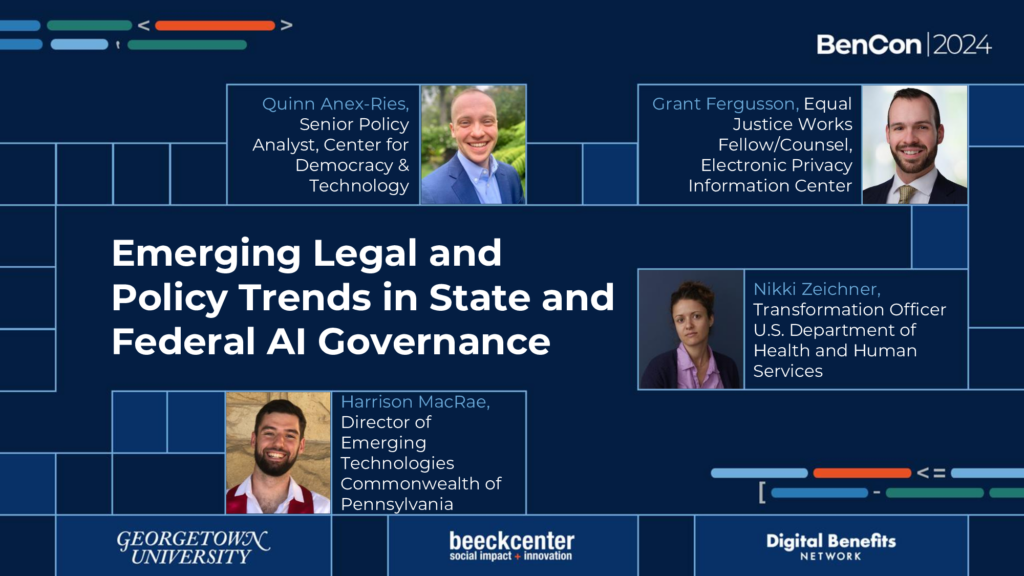
BenCon 2024 explored state and federal AI governance, highlighting the rapid increase in AI-related legislation and executive orders. Panelists emphasized the importance of experimentation, learning, and collaboration between government levels, teams, agencies, and external partners.
The report evaluates the 2023 Newborn Supply Kit pilot program, highlighting its effectiveness in reducing maternal stress, alleviating financial burdens, and increasing trust in government services among new parents, especially in low-income communities.
U.S. Department of Health and Human Services (HHS)