This course provides Head Start program leaders with strategies and tools to foster inclusive environments for LGBTQIA2S+ individuals within their programs.
U.S. Department of Health and Human Services (HHS)
This case study examines how Michigan’s Department of Health and Human Services uses data practices to advance racial equity in child welfare through identity-informed data collection and anonymous decision-making.
U.S. Department of Health and Human Services (HHS)
This webpage links to materials ASPE has prepared as it leads work on how federal agencies and programs can meaningfully and effectively engage people with lived experience.
Office of the Assistant Secretary for Planning and Evaluation (ASPE)
Initially created to inform federal staff at the U.S. Department of Health and Human Services, this tool describes how to conduct intensive equity assessments of existing programs, policies, and processes. It may be useful for state and local governments, tribal governments, and other private or non-profit organizations focused on programs and policies relating to health and human services.
Office of the Assistant Secretary for Planning and Evaluation (ASPE)
Initially created to inform federal staff at the U.S. Department of Health and Human Services, this tip sheet highlights the importance of using equitable communication and includes tips, guiding questions, and additional resources.
Office of the Assistant Secretary for Planning and Evaluation (ASPE)
This guide explores intersectionality and why it is essential for advancing equity. It explores strategies for planning and conducting research with an intersectional lens, describes quantitative measures and methods to examine differences across groups of people with intersecting identities, and provides key considerations for using qualitative data to better understand intersectionality.
Office of the Assistant Secretary for Planning and Evaluation (ASPE)
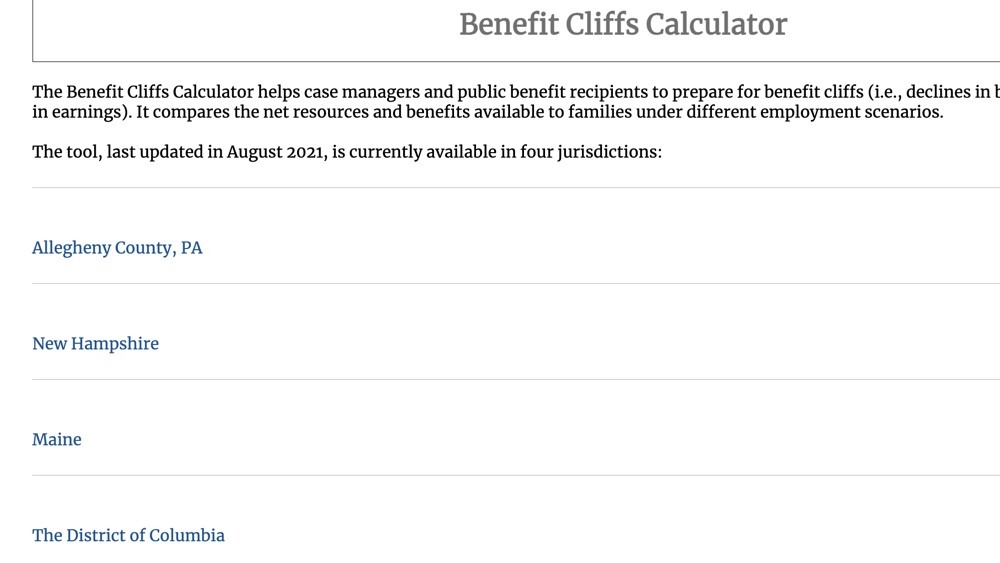
The Benefit Cliffs Calculator helps case managers and public benefit recipients to prepare for benefit cliffs (i.e., declines in benefits due to an increase in earnings). It compares the net resources and benefits available to families under different employment scenarios.
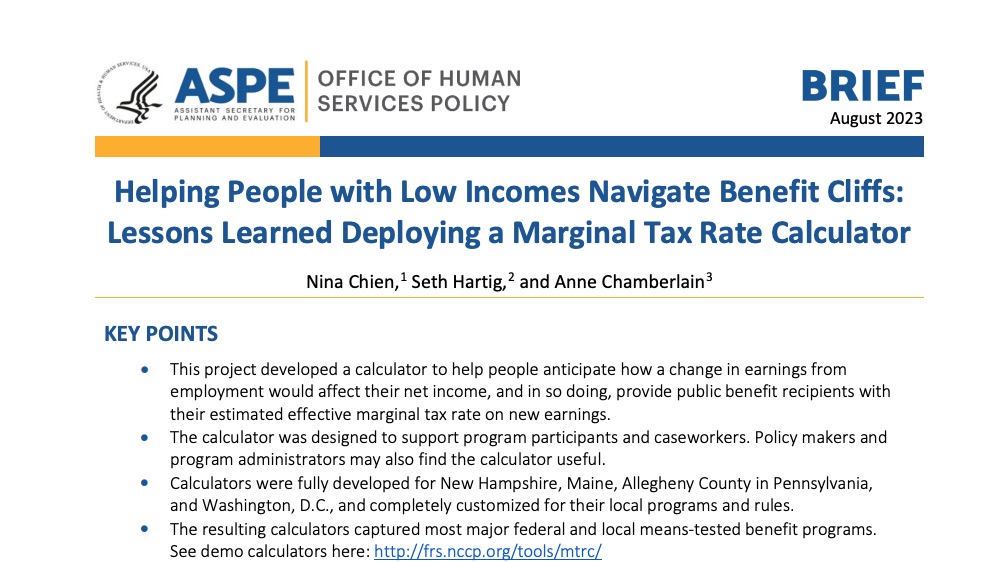
This report details findings and lessons from a project to develop a calculator to help people anticipate how a change in earnings from employment would affect their net income and information on their estimated effective marginal tax rate.
U.S. Department of Health and Human Services (HHS)
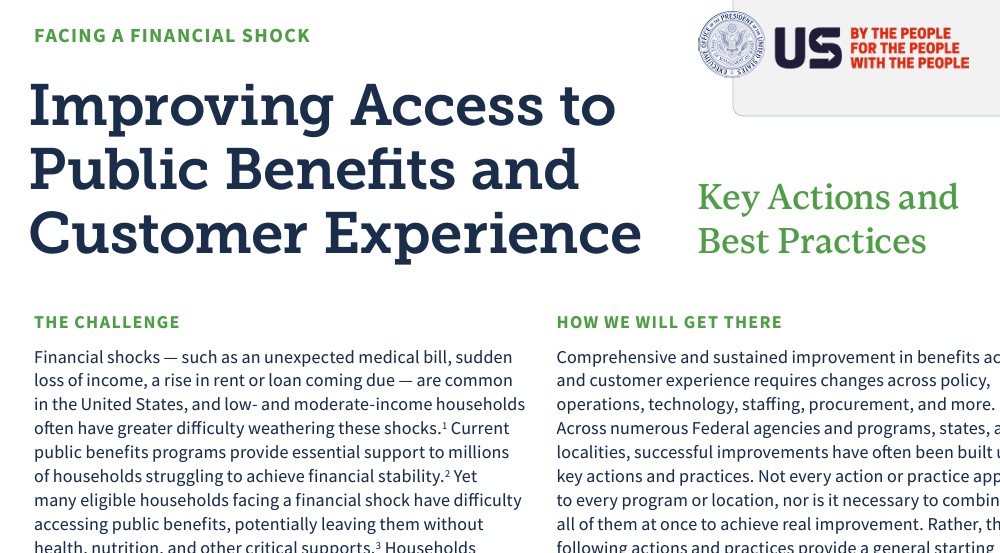
Comprehensive and sustained improvement in benefits access and customer experience requires changes across policy, operations, technology, staffing, procurement, and more. This guide offers a collection of actions and best practices for states to apply.
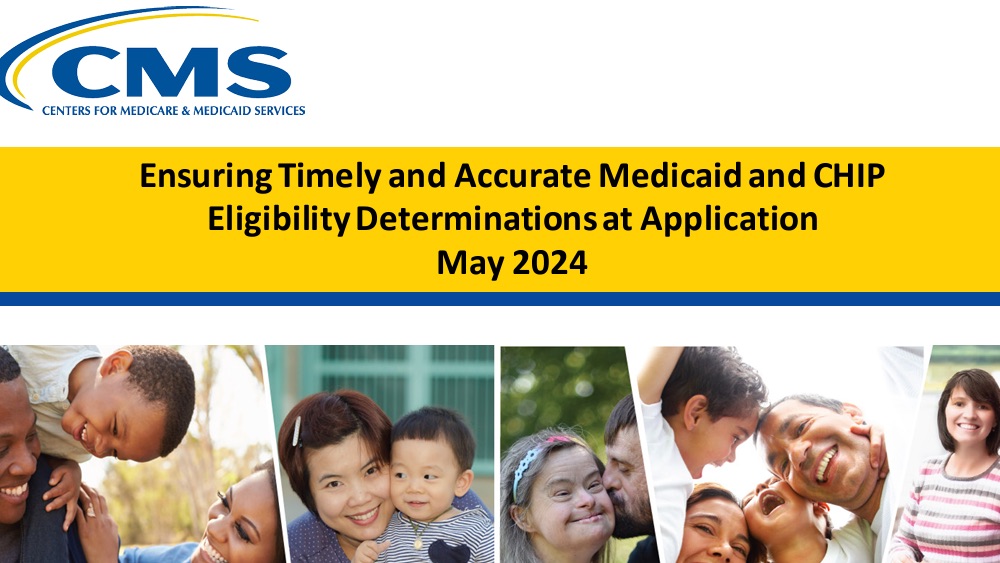
CMS has identified a number of immediate and longer-term strategies that states can implement to improve application processing timeframes and address application backlogs.
Initially created to inform federal staff at the U.S. Department of Health and Human Services, this tip sheet provides key considerations for how organizations can identify potential diverse external partners, conduct outreach to them, and build and sustain productive relationships with them.
Office of the Assistant Secretary for Planning and Evaluation (ASPE)