This guide highlights approachable ideas for state and local public benefits agencies to improve applications, renewals, and correspondence. As outlined in this resource, even small improvements can be transformative for residents and caseworkers alike.
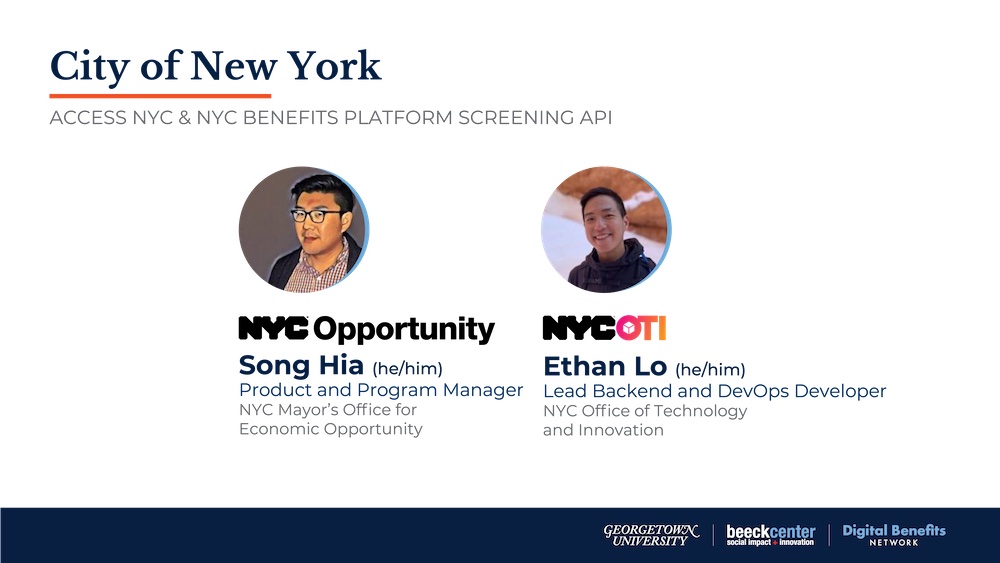
At Rules as Code Demo Day we heard from Song Hia of the NYC Mayor’s Office for Economic Opportunity and Ethan Lo of the NYC Office of Technology and Innovation who demoed the NYC Benefits Platform Screening API which provides machine-readable calculations and criteria for benefits screening that power the ACCESS NYC screening questionnaire. This makes it easier for NYC residents to discover multiple benefits they may be eligible for. The City is now extending the API to support the new MyCity platform, a one-stop shop for all services and benefits.
This guide provides practical insights for benefits administrators on redesigning benefits systems using human-centered design to ensure all eligible residents can access crucial social safety net resources.
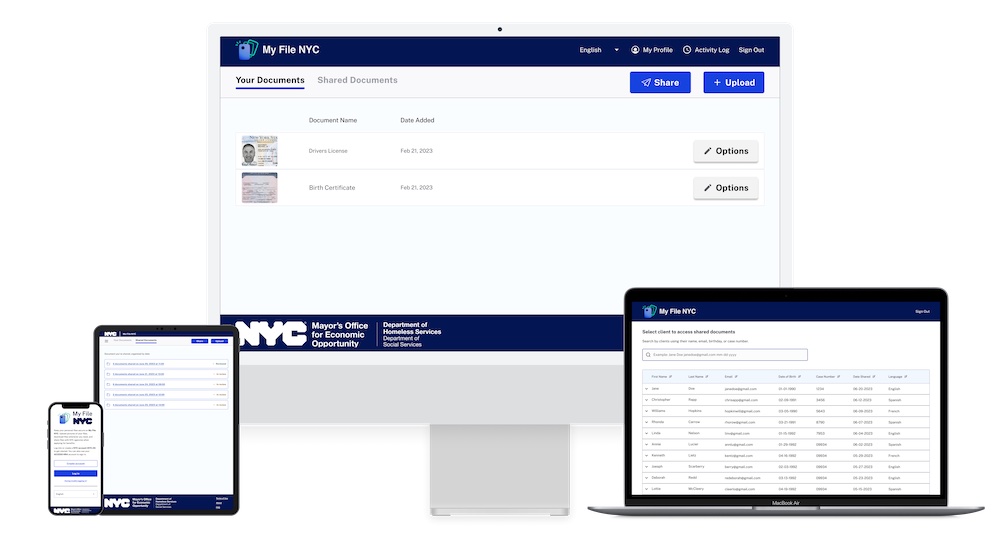
MyFile NYC is a digital platform that allows New York City residents experiencing homelessness to securely store, share, and manage vital documents with the Department of Homeless Services, streamlining the process of establishing eligibility for public benefits. This pilot, launched in 2022, aims to improve service access by reducing barriers like communication and documentation challenges, while allowing users control over their information.
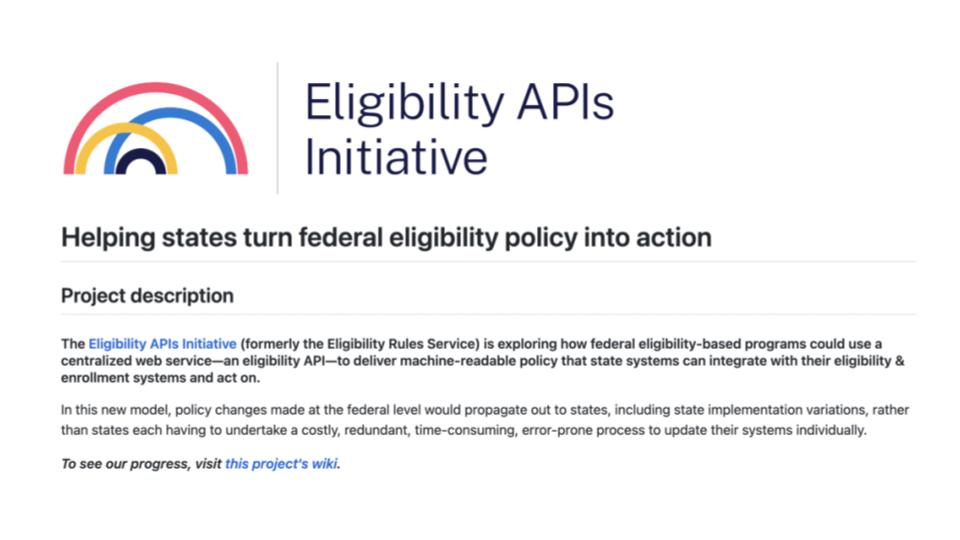
18F, a consultancy within the U.S. General Services Administration, developed a prototype API and pre-screener to model federal SNAP eligibility rules, aiming to simplify benefits access through open-source technology.
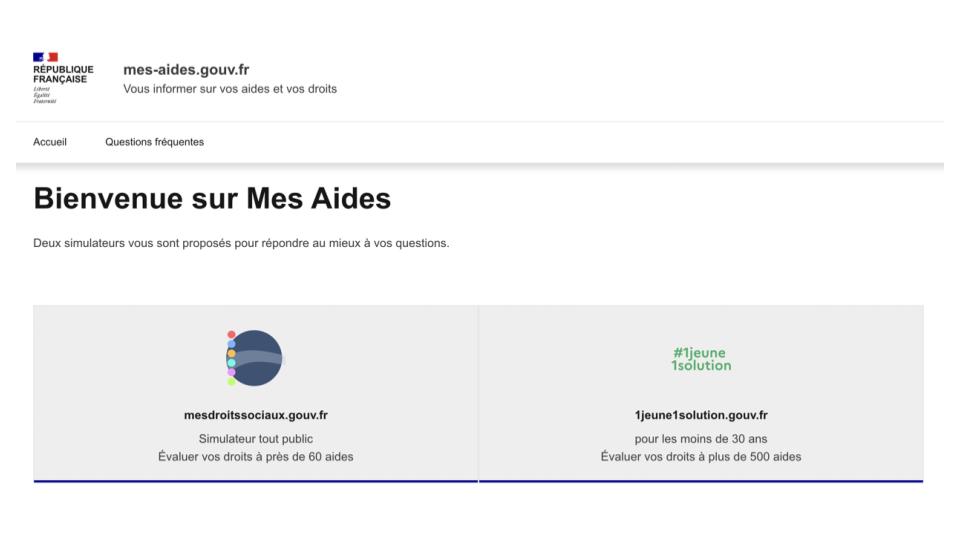
beta.gouv.fr, a French government incubator, developed Mes Aides, an online benefits simulator launched in 2014 to help residents assess their eligibility for various social programs, addressing the issue of unclaimed benefits. The tool, built with open-source technology, enabled users to quickly estimate their potential benefits but was later integrated into a broader platform in 2020 following internal government disputes over authority.
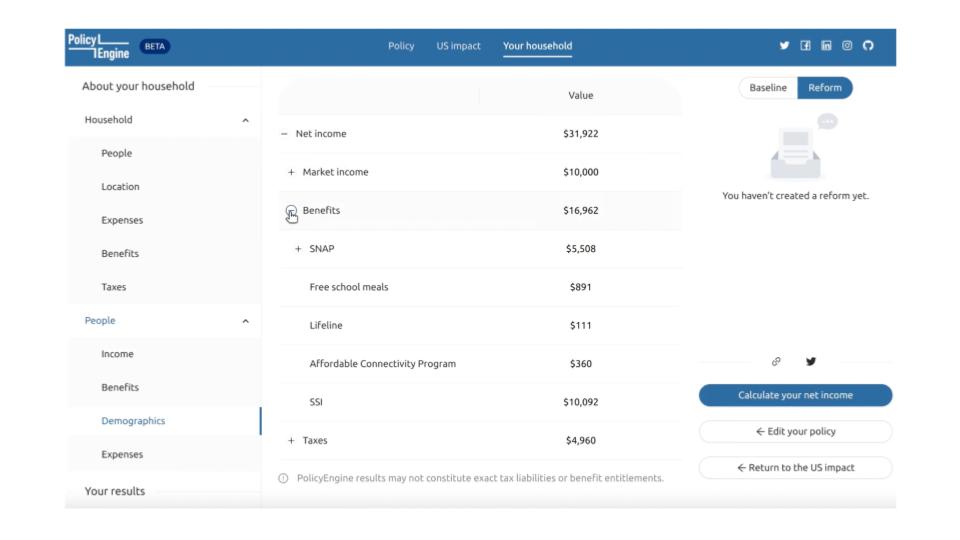
PolicyEngine is a nonprofit that provides a free, open-source web app enabling users in the US and UK to estimate taxes and benefits at the household level, while also simulating the effects of policy changes. By combining tax and benefits data, PolicyEngine helps individuals and policymakers better understand the impacts of existing policies and proposed reforms, using microsimulation models built from legislation and enhanced survey data.
This resource appendix is a compilation of useful resources intended as a follow-on to the DSN’s writing on theories of change for digital transformation in government. Practitioners can use these resources to DIY their ToC after reading our essays.
The Digital Services Network (DSN) spoke with the director of OOI’s Business Experience Initiative, E.J. Kalafarski, the director of Business Experience for the State, Jessica Lax, and product manager, Joe DeLaTorre, to learn about Business.NJ.gov’s live chat feature.
In this updated primer, the DBN describes how identity proofing and authentication show up in public benefits applications and outlines equity and security concerns raised by common identity proofing and authentication methods.