DSN Spotlights are short-form project profiles that feature exciting work happening across our network of digital government practitioners. Spotlights celebrate our members’ stories, lift up actionable takeaways for other practitioners, and put the examples we host in the Digital Government Hub in context.
This page includes data and observations about account creation and identity proofing steps specifically for online applications that include MAGI Medicaid.
DSN Spotlights are short-form project profiles that feature exciting work happening across our network of digital government practitioners. Spotlights celebrate our members’ stories, lift up actionable takeaways for other practitioners, and put the resources + examples we host in the Digital Government Hub in context.
This resource appendix is a compilation of useful resources intended as a follow-on to the DSN’s writing on theories of change for digital transformation in government. Practitioners can use these resources to DIY their ToC after reading our essays.
The article discusses key takeaways from BenCon 2023, highlighting the importance of creating equitable and ethical public benefits technology. It emphasizes the need for tech solutions that address systemic inequalities, ensure accessibility, and promote inclusivity for underserved communities in accessing public services.
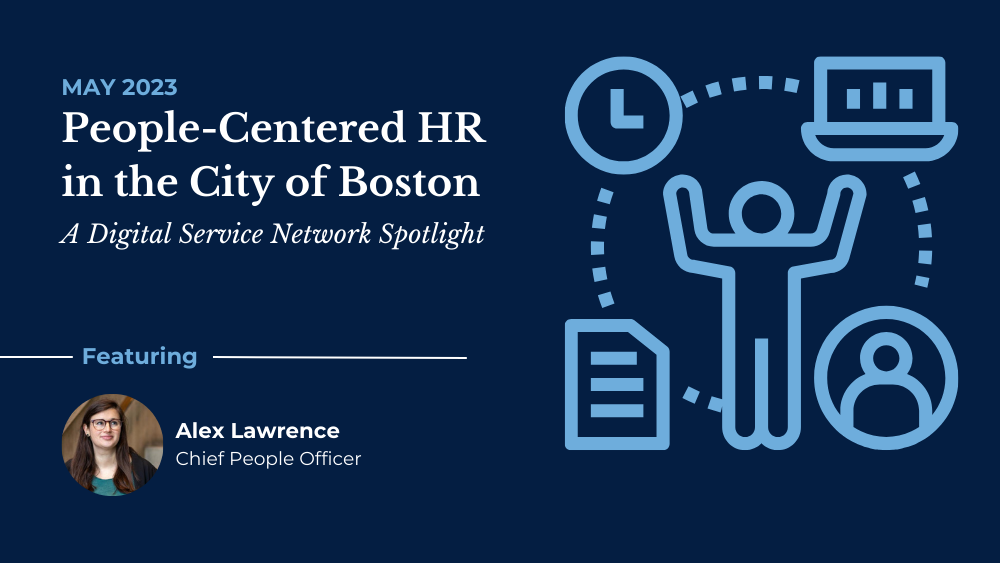
The Digital Service Network (DSN) spoke with Boston’s new Chief People Officer, Alex Lawrence, to understand how the City is transforming its approach to people management.
Across the United States, a number of state and local governments are embarking on digital transformation efforts. This case study is part of the Beeck Center’s Digital Service Teams project, which is learning how leading government digital service units are introducing new approaches to service delivery. Beeck Center researchers are documenting work as it happens, including analyzing challenges and opportunities, and disseminating this information to benefit both the people of New York City and collaborators in other governments.
This page includes data and observations about authentication and identity proofing steps specifically for online applications that include child care applications.