On May 19, 2023, the Digital Benefits Network published a new, open dataset documenting authentication and identity proofing requirements across online SNAP, WIC, TANF, Medicaid, child care (CCAP) applications, and unemployment insurance applications.
On May 19, 2023, the Digital Benefits Network published a new, open dataset documenting authentication and identity proofing requirements across online SNAP, WIC, TANF, Medicaid, child care (CCAP)applications, and unemployment insurance applications. This page includes data and observations about authentication and identity proofing steps specifically for online unemployment insurance applications.
This page includes data and observations about authentication and identity proofing steps specifically for online applications that include MAGI Medicaid.
This report examines how the U.S. federal government can enhance the efficiency and equity of benefit delivery by simplifying eligibility rules and using a Rules as Code approach for digital systems.
Building on our February 2022 report Benefit Eligibility Rules as Code: Reducing the Gap Between Policy and Service Delivery for the Safety Net, the Beeck Center’s Digital Benefits Network (DBN) recently held a convening to share progress and potential in digitizing benefits eligibility and to begin addressing how a national approach could be started.
During the call, we heard from two speakers: April Dunlap, Policy Administrator for Arizona’s Department of Economic Security and Professor Michele Gilman, Venable Professor of Law and Associate Dean for Faculty Research and Development at the University of Baltimore School of Law.
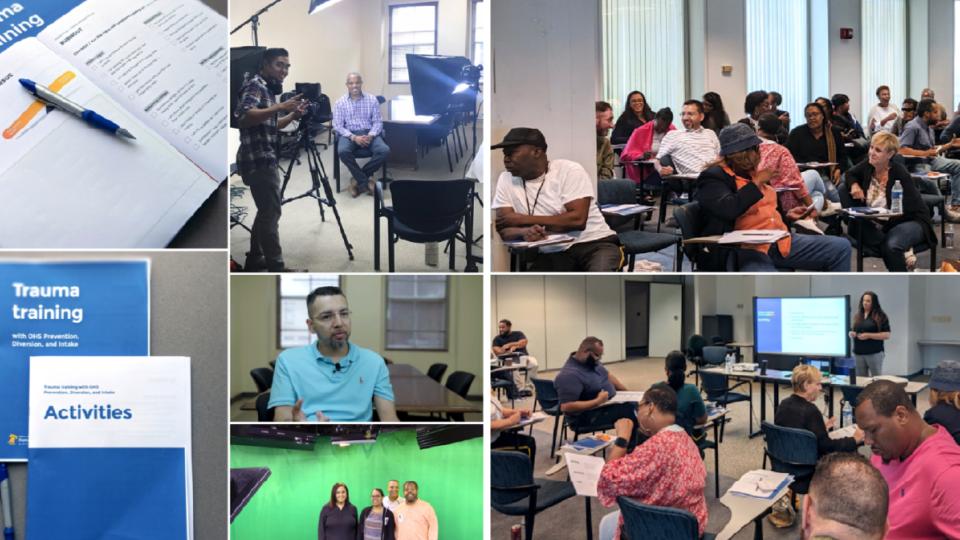
The report highlights a project to improve the Philadelphia Office of Homeless Services' (OHS) prevention and intake processes by implementing trauma-informed practices. In collaboration with staff, participants, and trauma experts, the project aimed to reduce distress for those accessing services while equipping staff with tools and training to better manage trauma-related interactions, creating a more supportive and empathetic service environment.
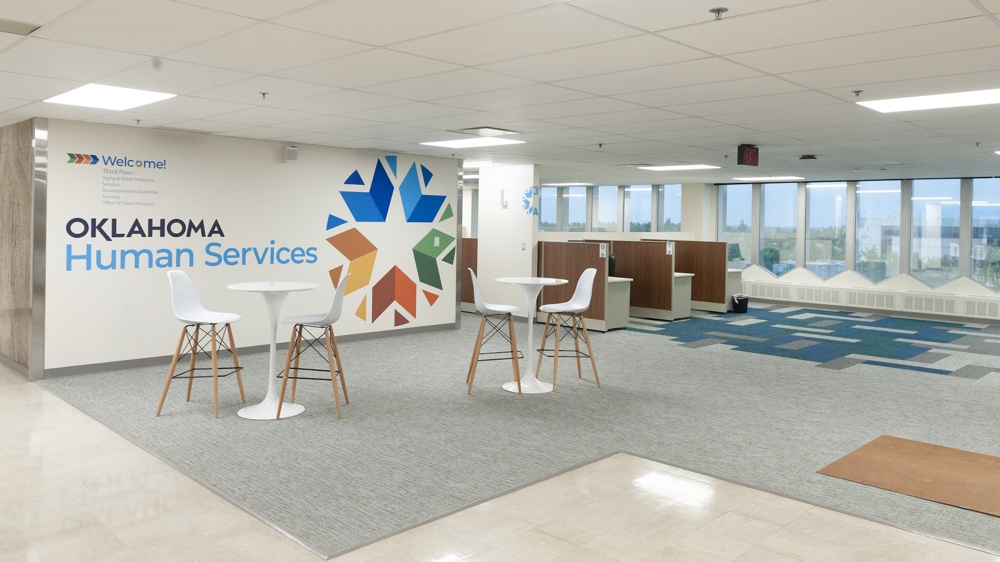
Oklahoma Human Services (OKDHS) modernized their service delivery by reducing their real estate footprint, designing trauma-informed and user-friendly spaces, and expanding an embedded worker program to improve accessibility and client experience. Through their "Service First" strategy, OKDHS aims to create more equitable and compassionate interactions, reaching vulnerable populations while addressing high occupancy costs.
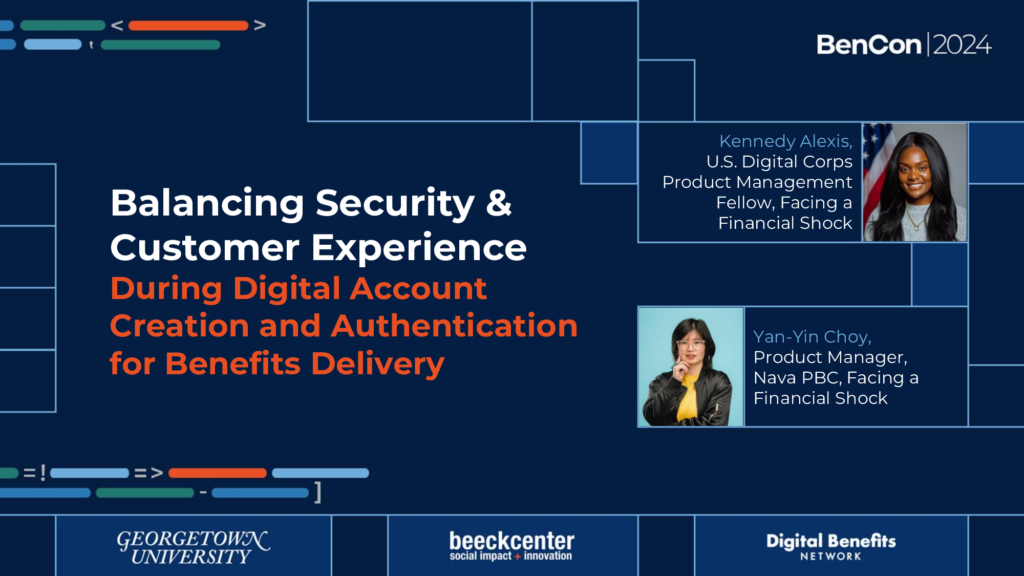
This presentation explores the balance between security and user experience in digital benefit account creation and authentication, highlighting insights from a forthcoming playbook focused on SNAP and Medicaid portals.
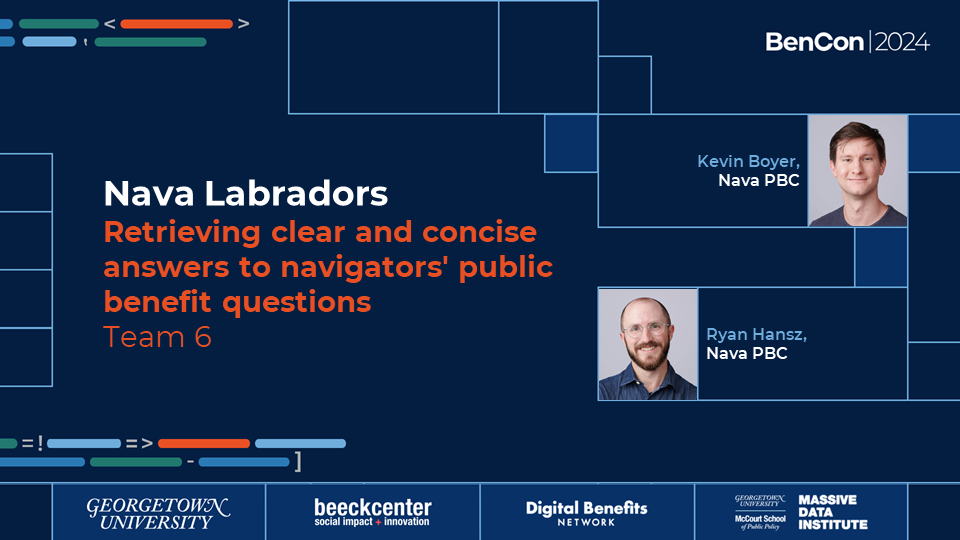
The team developed an AI solution to assist benefit navigators with in-the-moment program information, finding that while LLMs are useful for summarizing and interpreting text, they are not ideal for implementing strict formulas like benefit calculations, but can accelerate the eligibility process by leveraging their strengths in general tasks.