This blog discusses a resource developed by the Digital Service at the Centers for Medicare & Medicaid Services (CMS) to assist individuals in navigating mental health, drug, or alcohol issues and connecting with appropriate support services.
U.S. Department of Health and Human Services (HHS)
This blog discusses the 988 Suicide and Crisis Lifeline, a nationwide initiative aimed at providing accessible, immediate support for individuals experiencing mental health crises through the easy-to-remember number 988.
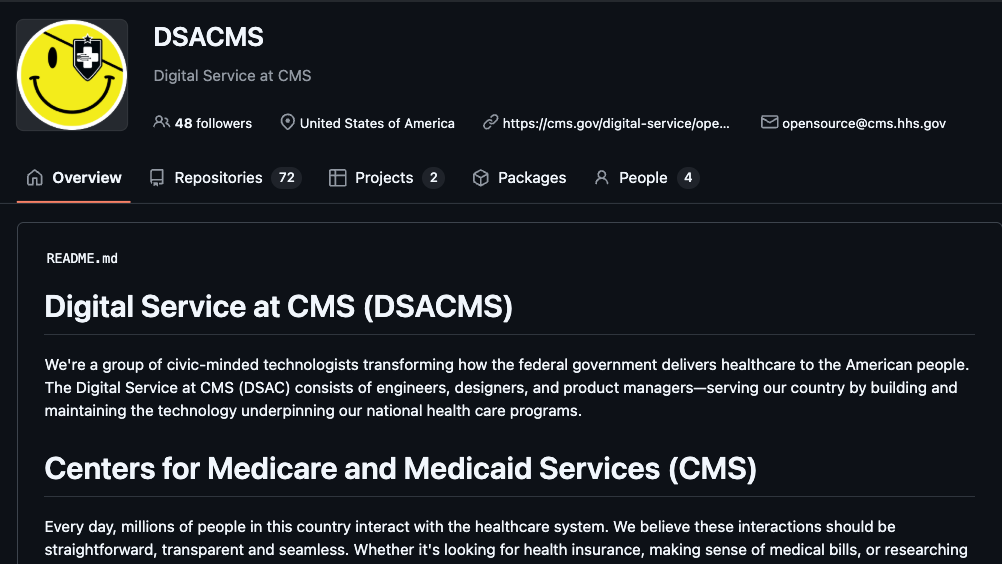
The GitHub repository for the open-source software and tools developed by the Digital Service at CMS to support modernizing healthcare systems and improving open-source project practices.
This report explores innovative solutions and insights from CMS Innovation Center's Hackathon series to address the unique healthcare challenges faced by rural, Tribal, and geographically isolated communities.
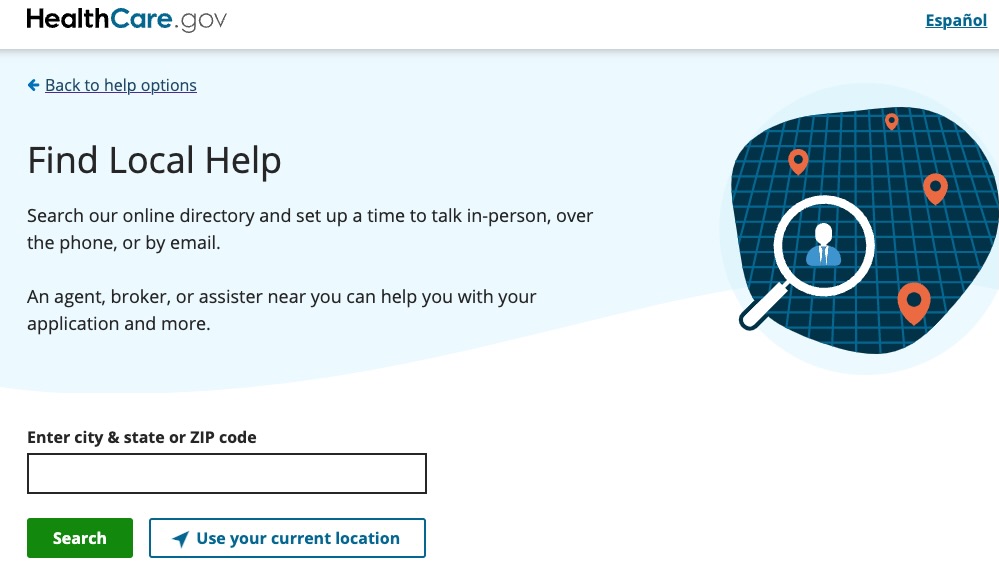
When people hit the moment in the HealthCare.gov sign-up process where they need in-person help, they’re likely frustrated and at risk of abandoning the process altogether. To help, Ad Hoc designers on the Centers for Medicare & Medicaid Services (CMS) Find Local Help team extensively researched user pain points and used human-centered design to create a tool that respects the stress users may experience and delivers the information they need as quickly and simply as possible.
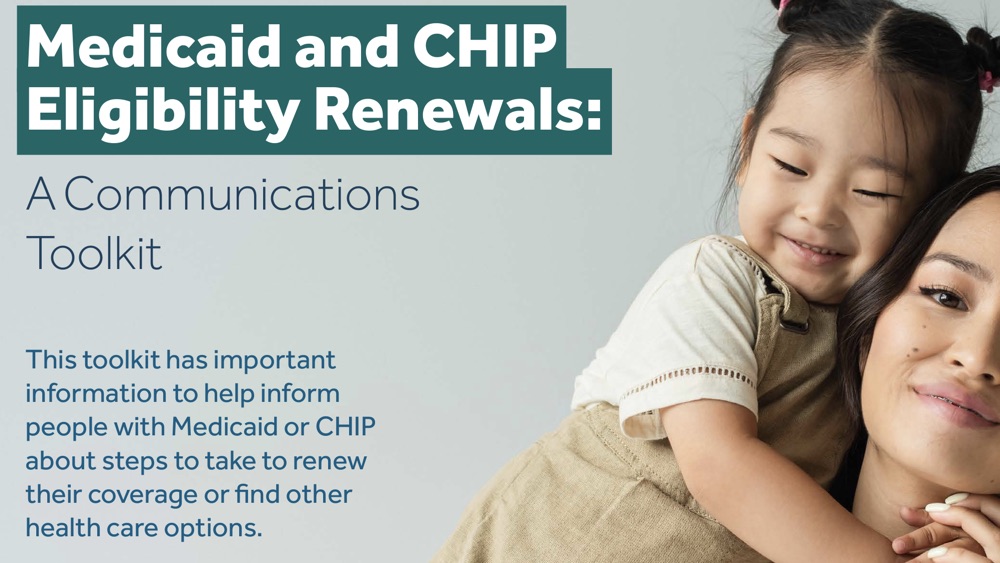
This resource is a communications toolkit designed to help states and stakeholders inform Medicaid and CHIP recipients about the eligibility renewal process, ensuring they take necessary steps to maintain or transition to alternative health coverage.
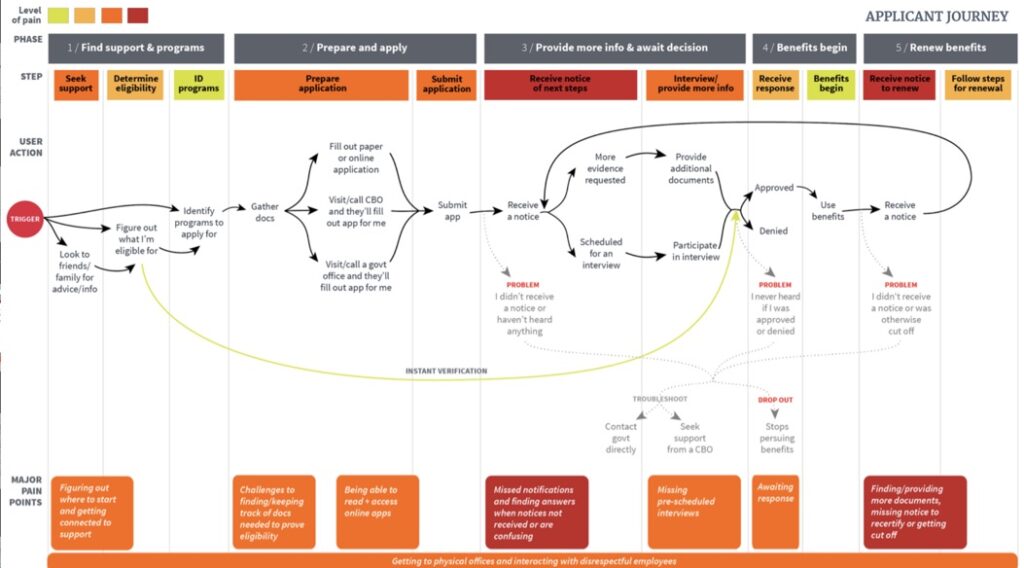
Applicants to federal aid programs face numerous barriers in accessing benefits they are eligible for. The Centers for Medicaid and Medicare conducted an extensive qualitative user research study to better understand applicant experience in enrolling in public assistance programs. Based on the results, the study emphasizes the need for simplified, streamlined and less burdensome application processes.
This site contains resources explaining the 2025 Working Families Tax Cut Act (WFTC) — formally Public Law 119-21, which changes eligibility, financing, and community-engagement requirements for Medicaid and Children’s Health Insurance Program (CHIP).
CMS has identified a number of immediate and longer-term strategies that states can implement to improve application processing timeframes and address application backlogs.
Starting November 1, 2023, the Centers for Medicare & Medicaid Service (CMS) began asking three new optional sexual orientation and gender identity (SOGI) questions on the single, streamlined application developed by the Secretary. This guidance gives instructs states on the process for modifying SOGI questions in their applications.
Applicants to federal aid programs face numerous barriers in accessing benefits they are eligible for. The Centers for Medicaid and Medicare conducted an extensive qualitative user research study to better understand applicant experience in enrolling in public assistance programs. Based on the results, the study emphasizes the need for simplified, streamlined and less burdensome application processes.