A report that defines what effective “human oversight” of AI looks like in public benefits delivery and offers practical guidance for ensuring accountability, equity, and trust in algorithmic systems.
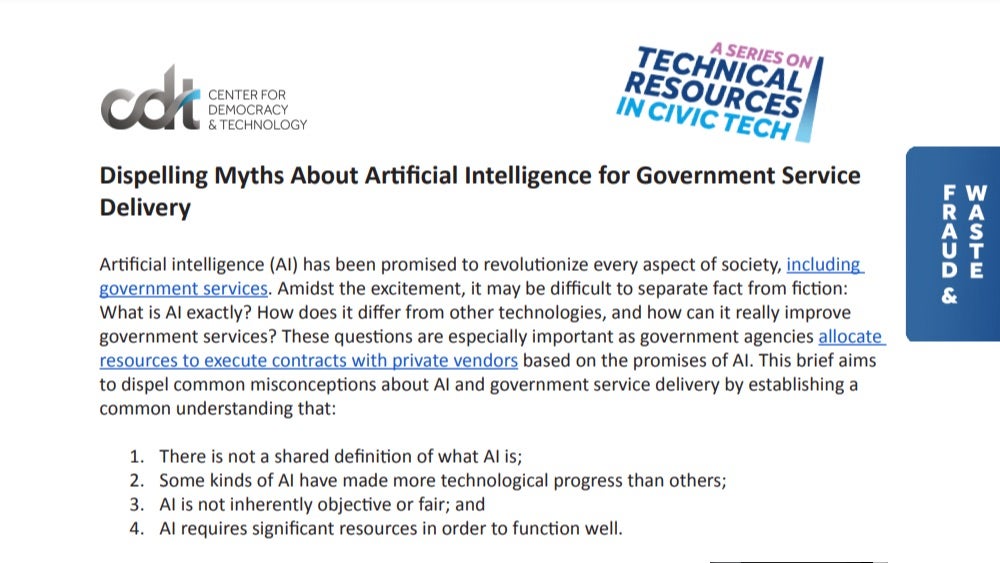
The Center for Democracy and Technology's brief clarifies misconceptions about artificial intelligence (AI) in government services, emphasizing the need for precise definitions, awareness of AI's limitations, recognition of inherent biases, and acknowledgment of the significant resources required for effective implementation.
Digital IDs can improve convenience, but they risk surveillance, data misuse, and exclusion if not designed with privacy, security, and accessibility safeguards.
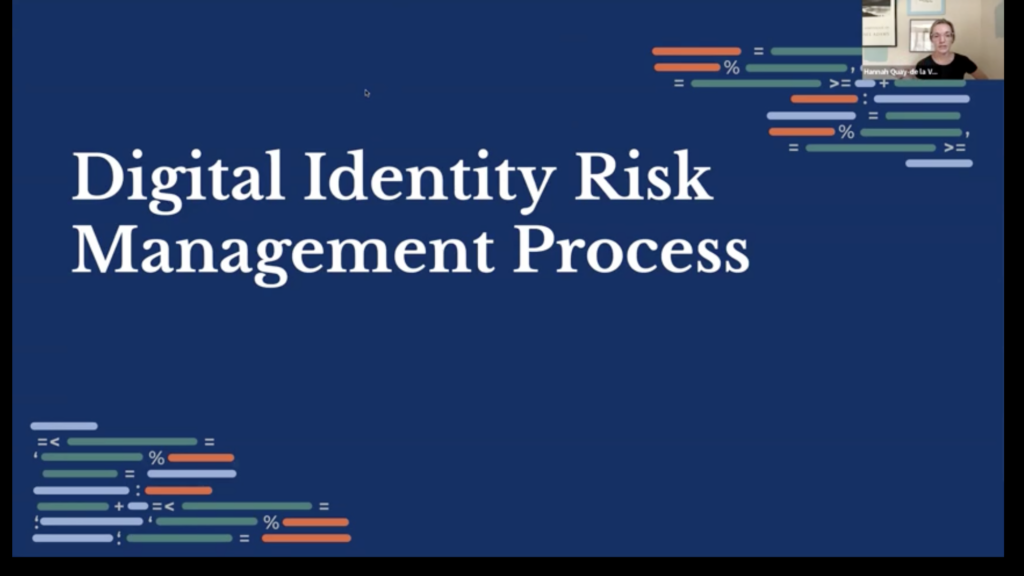
This resource provides state agencies and their implementation partners with context on how and why to conduct a Digital Identity Risk Management (DIRM) process, as well as a new spreadsheet-based tool to guide agency teams through the process.
An overview video describing the Digital Identity Risk Management process outlined in NIST's Digital Identity Guidelines, which organizations can use to develop a risk-based approach to identity management.
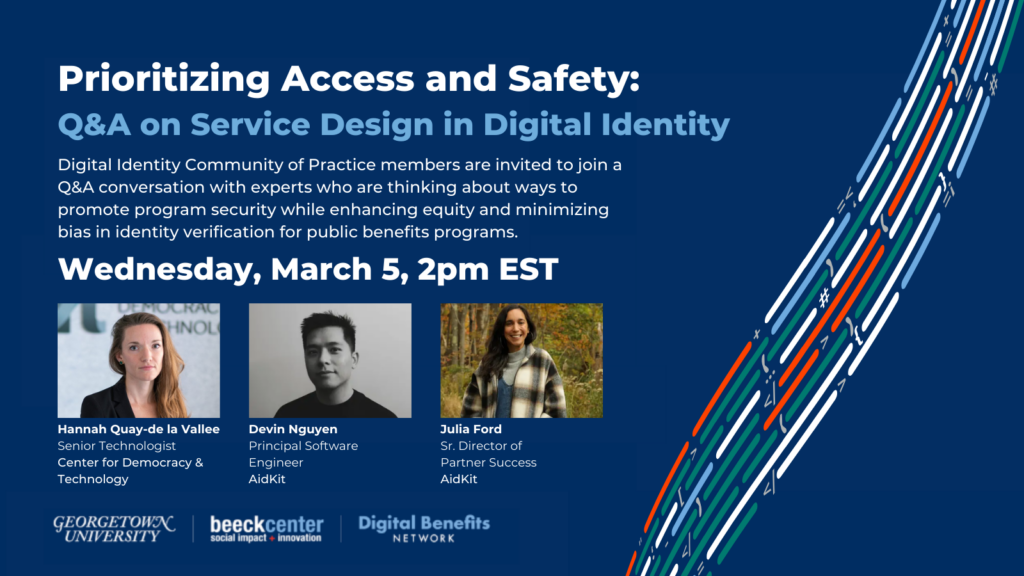
The Digital Benefit Network's Digital Identity Community of Practice held a session to hear considerations from civil rights technologists and human-centered design practitioners on ways to ensure program security while simultaneously promoting equity, enabling accessibility, and minimizing bias.
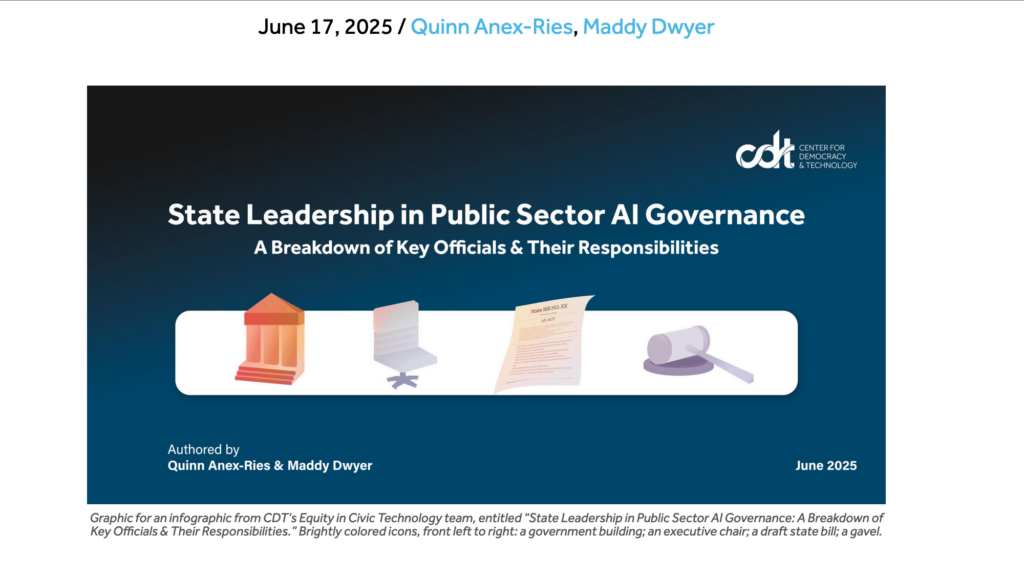
An infographic-style brief that maps the roles and responsibilities of key state leaders involved in governing the development, acquisition, use, and oversight of artificial intelligence in public-sector programs.