This resource provides examples and practical guides that explain how to use existing regulations and data sharing agreements to transfer client information or eligibility status between benefit programs.
This guide addresses technical and engineering requirements for a text messaging program, including texting platform options, and procurement and vendor management, among other technical implementation topics.
This guidebook aims to equip state and local agencies with the practical insights they need to develop a text messaging outreach program for SNAP recertification.
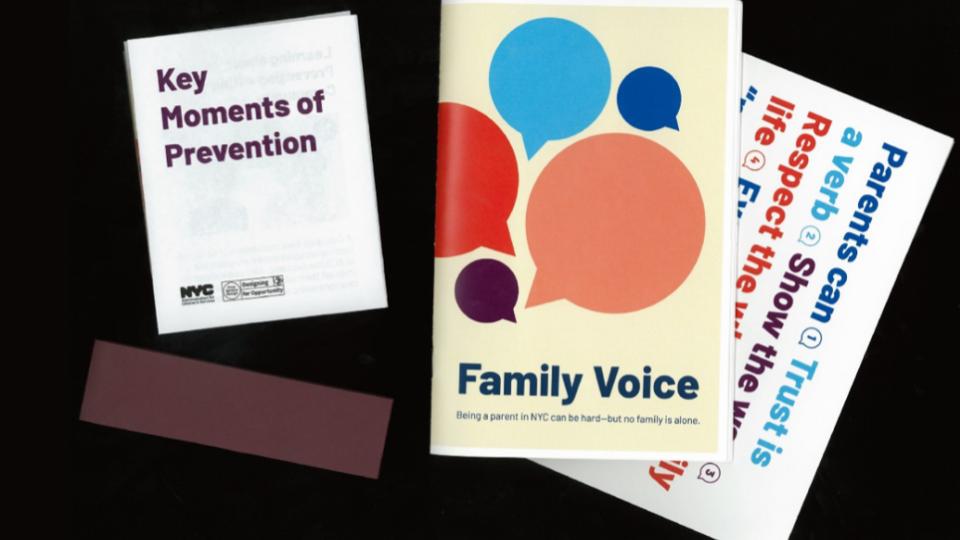
NYC Opportunity collaborated with the Administration for Child Services (ACS) to design a family-centered process for prevention services, addressing confusion and lack of choice in the current system. By creating tools like the Provider Profile and Family Voice booklet, the team empowered families to choose providers based on their needs while ensuring their feedback reaches ACS. The project aims to improve family experiences and communication with ACS, with plans to expand through testing and future innovations like a web portal.
The second event in the Digital Service Network’s summer event series, Let’s Get Digital, focused on the City of Boston’s transformative journey to streamline its procurement processes.