This case study details the development of a document extraction prototype to streamline benefits application processing through automated data capture and classification.
This research used observational research with unemployment insurance (UI) claimants to identify pain points in the application process and inform customer experience improvements.
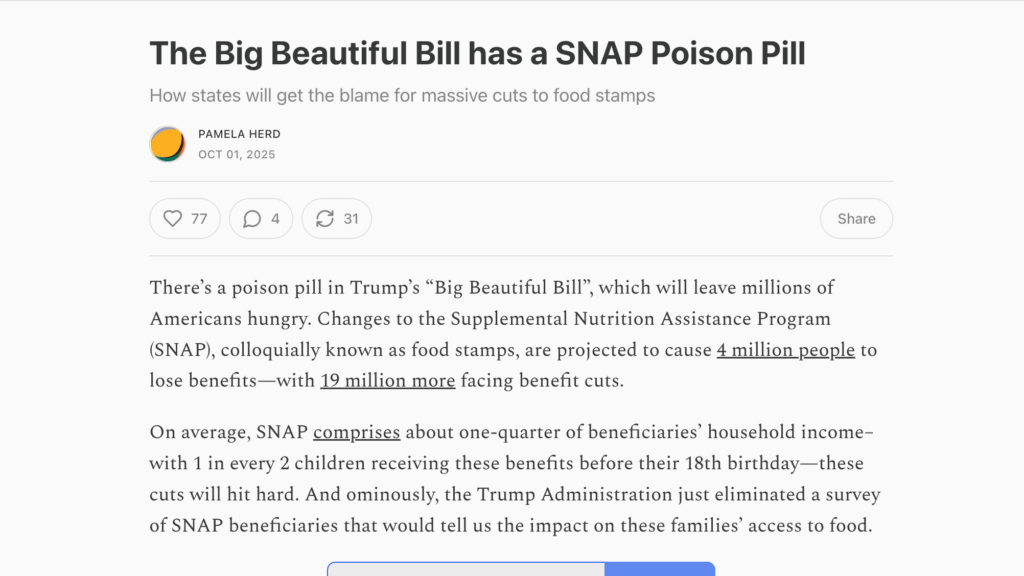
This blog discusses how the “Big Beautiful Bill” (H.R. 1) contains provisions that undermine SNAP and warns that states will be burdened by its fiscal and administrative impact.
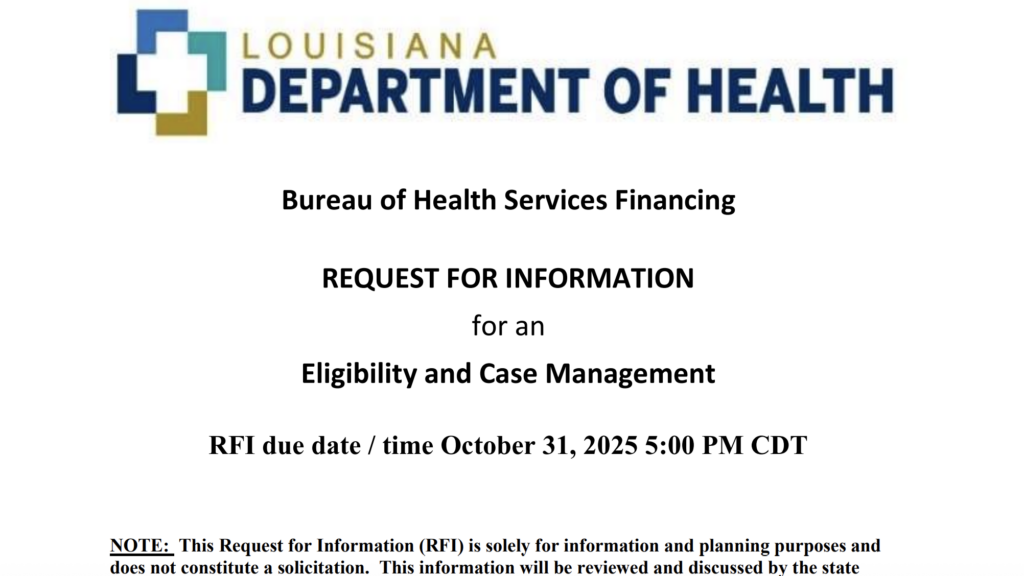
Louisiana issued an RFI to identify solutions that can provide a technology platform for determining eligibility and managing cases across multiple human services programs.
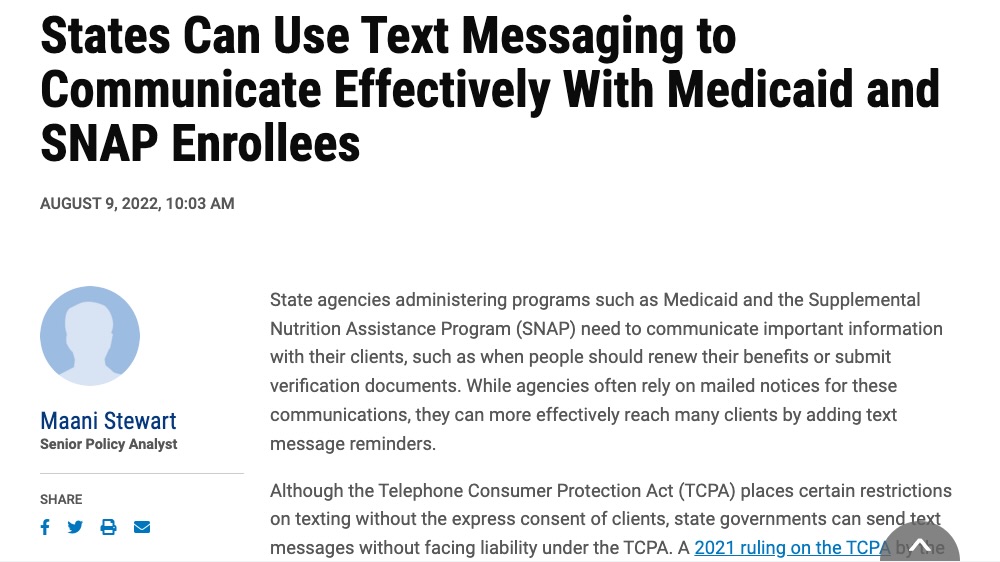
The article discusses how state agencies can effectively use text messaging to communicate with Medicaid and SNAP enrollees, especially following a 2021 FCC ruling that permits automated texts for informational purposes.
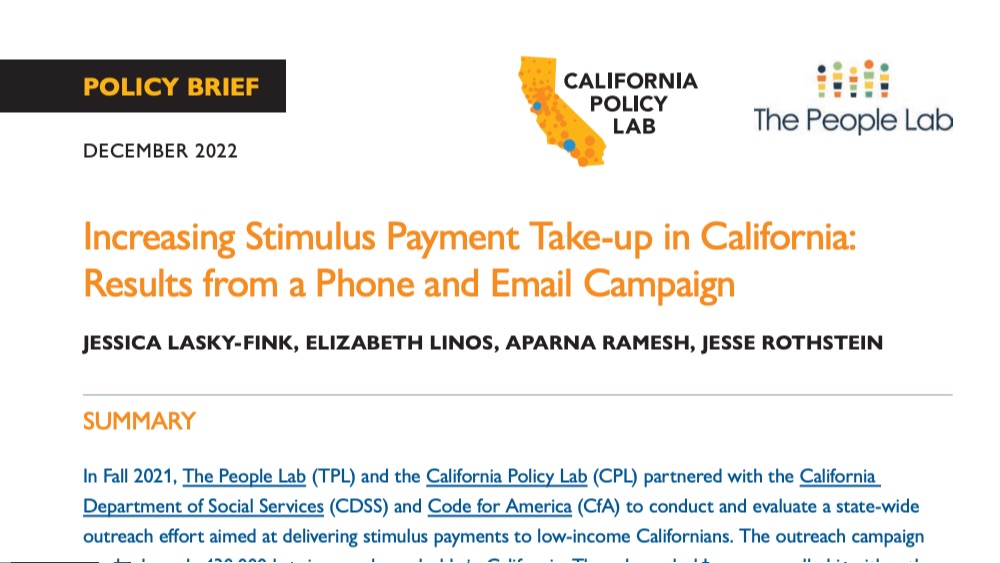
The Increasing Stimulus Payment Take-up in California report by the California Policy Lab examines barriers to accessing federal stimulus payments and provides strategies to increase take-up among eligible Californians, particularly low-income and non-filers.
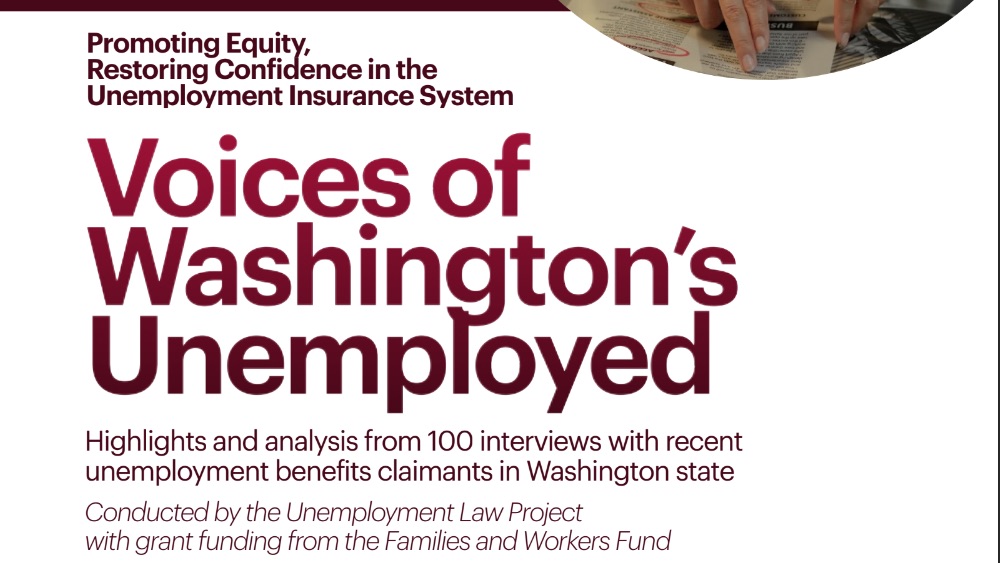
Through the interviews, ULP sought to capture details of claimant experience, see how and why system failures occurred, and make recommendations for reform now—before another financial or public health crisis suddenly causes state unemployment rates to spike.
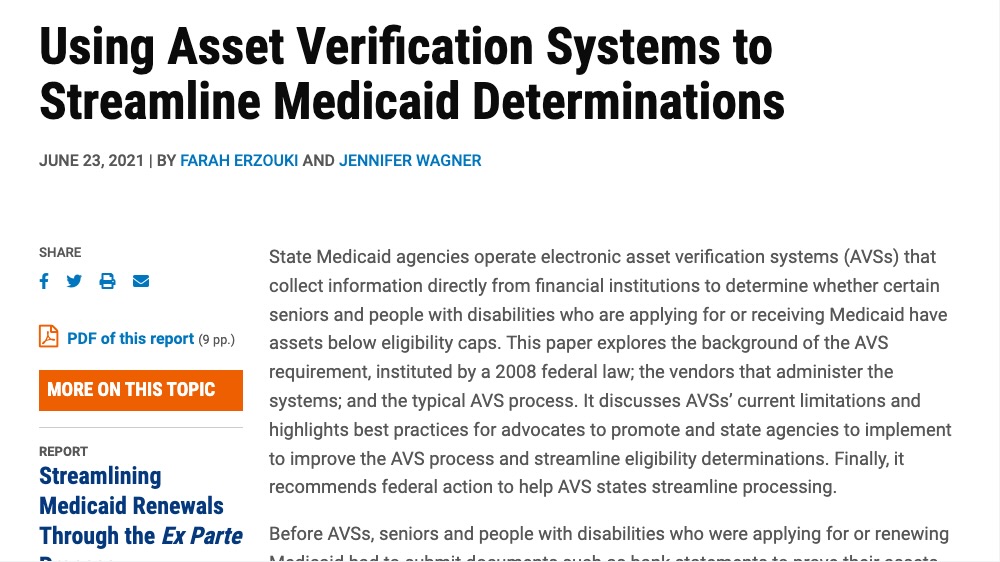
This report examines how implementing Asset Verification Systems (AVS) can streamline Medicaid eligibility determinations for seniors and individuals with disabilities by automating the verification of applicants' financial assets.