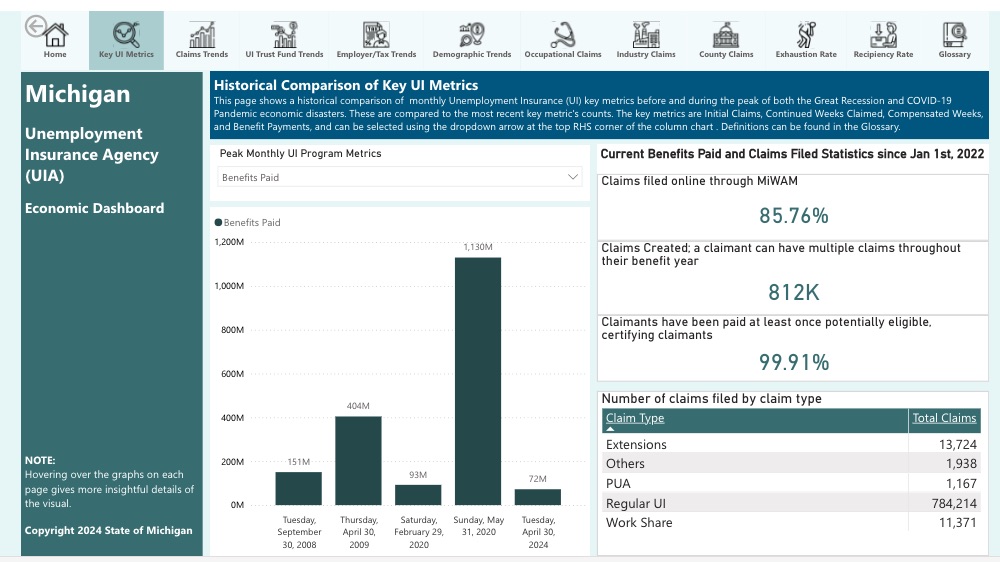
This dashboard provides a comprehensive view of underlying trends in unemployment across Michigan. It serves as an invaluable resource for understanding the impacts of unemployment on various industries, occupations, and communities. By providing detailed insights into sectors experiencing layoffs, claimant demographics, and the regions most affected, the dashboard equips us with the data needed to develop targeted solutions tailored to the needs of Michiganders.
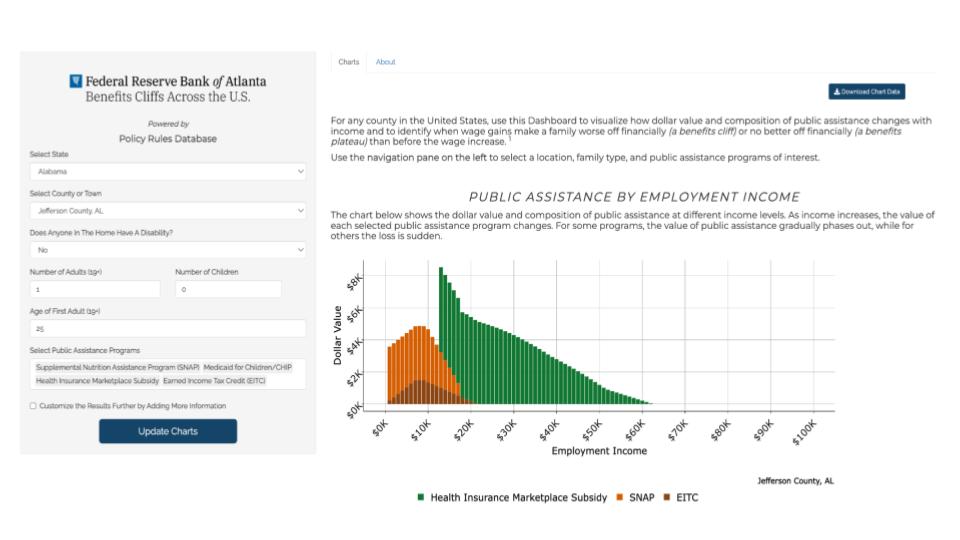
The Policy Rules Database (PRD), developed by the Federal Reserve Bank of Atlanta and the National Center for Children in Poverty, consolidates complex rules for major U.S. federal and state benefit programs and tax policies into a standardized, easy-to-use format. This database allows researchers to model public assistance impacts, simulate policy changes, and analyze benefits cliffs across various household scenarios using common rules and language across different programming platforms.
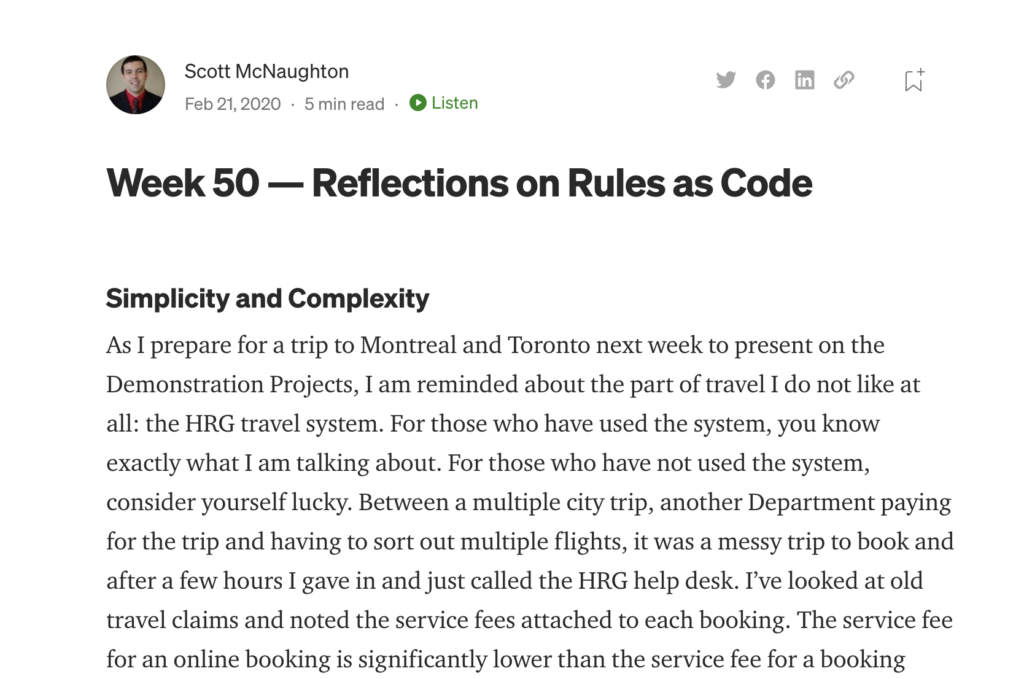
The New South Wales government describes its efforts to connect with other Australian jurisdictions and international colleagues in its move towards making machine-consumable legislation and policy.
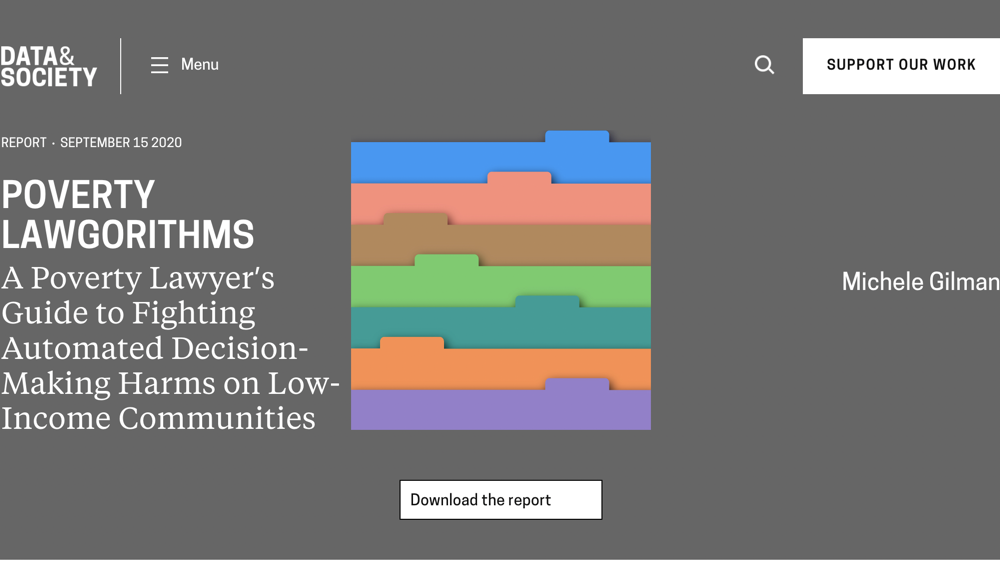
This guide, directed at poverty lawyers, explains automated decision-making systems so lawyers and advocates can better identify the source of their clients' problems and advocate on their behalf. Relevant for practitioners, this report covers key questions around automated decision-making systems.
This brief highlights key takeaways from APHSA’s work on young families, starting with an overview of the young families work and its early years, followed by key takeaways and highlights from its final year, ending with opportunities for future work in the young families space.
American Public Human Services Association (APHSA)
A modernized public benefits system would better serve program participants, administrators, policy makers, and taxpayers. This paper proposes a set of principles both define the desired future state and outline the values that shape decision making along the way. Practices describe the processes needed to achieve modernization.
An analysis showing that a proposed plan to shift some cost of SNAP benefits to states could push nearly 900,000 additional people into poverty during a recession.
The UI Technology Coordinating Coalition hosted a virtual conversation on April 13, 2023 focused on recent developments in unemployment insurance (UI) modernization efforts with guests from the U.S. Department of Labor's Office of UI Modernization and the Illinois Department of Employment Security.
Oklahoma Human Services (OKDHS) modernized their service delivery by reducing their real estate footprint, designing trauma-informed and user-friendly spaces, and expanding an embedded worker program to improve accessibility and client experience. Through their "Service First" strategy, OKDHS aims to create more equitable and compassionate interactions, reaching vulnerable populations while addressing high occupancy costs.
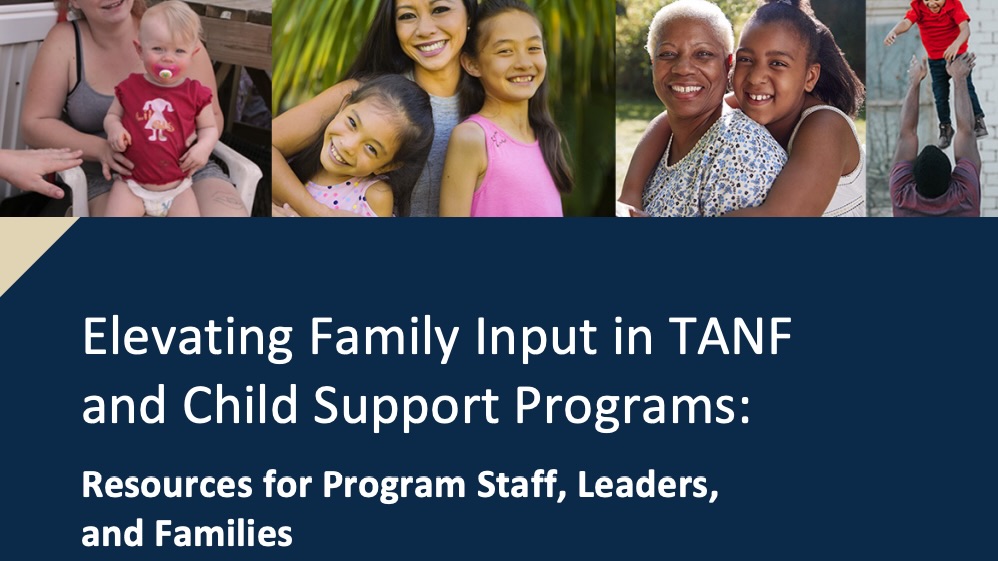
This expansive toolkit provides guidance, real world examples, and resources to help TANF and child support programs engage the families they serve in improving service delivery, policy, and program operations.