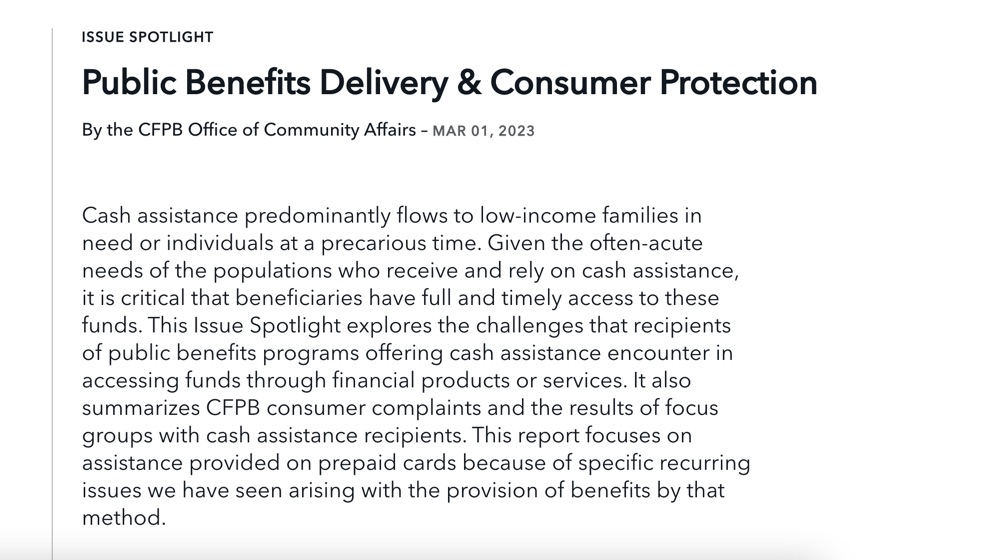
This Issue Spotlight explores the challenges that recipients of public benefits programs offering cash assistance encounter in accessing funds through financial products or services, with a specific focus on assistance provided on prepaid cards.
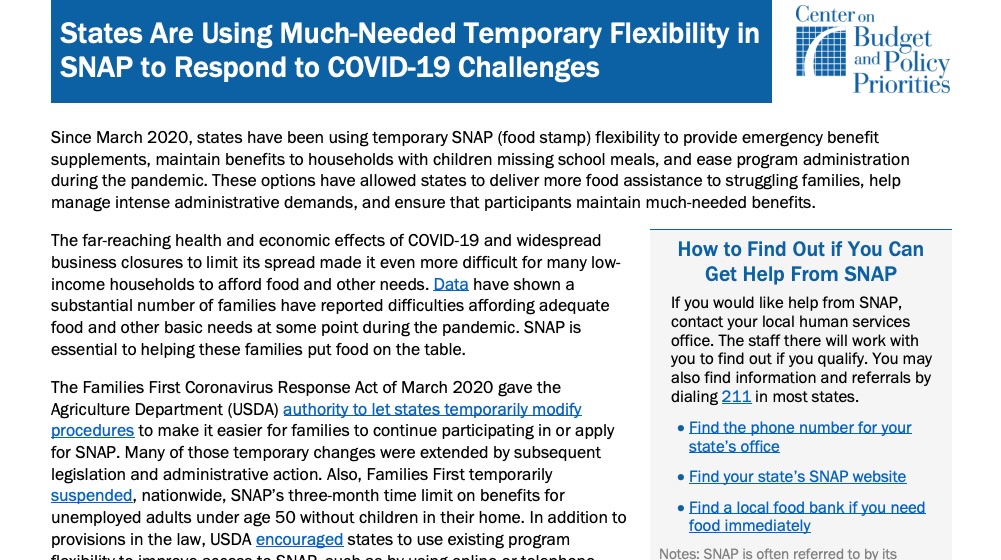
During the COVID-19 pandemic, states utilized temporary Supplemental Nutrition Assistance Program (SNAP) flexibilities to provide emergency benefits and maintain support for households with children missing school meals.
USDS partnered with CMCS and state Medicaid agencies to improve eligibility and enrollment systems after the COVID-19 Public Health Emergency ended, focusing on health coverage renewals.
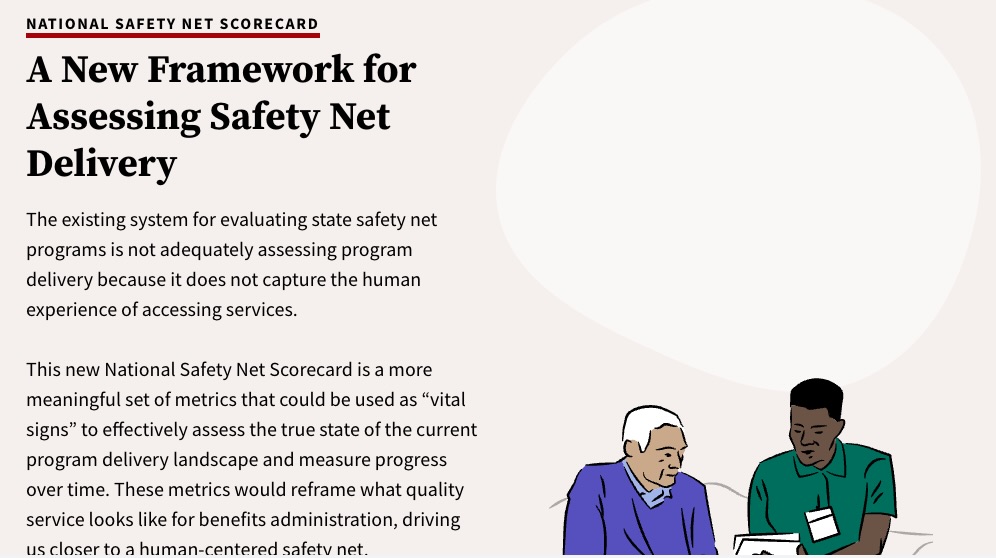
The existing system for evaluating state safety net programs does not adequately capture the human experience of accessing services. This new National Safety Net Scorecard is a more meaningful set of metrics that can effectively asses the true state of the current program delivery landscape and measure progress over time, creating a more human-centered safety net.
This guide provides practical insights for benefits administrators on redesigning benefits systems using human-centered design to ensure all eligible residents can access crucial social safety net resources.
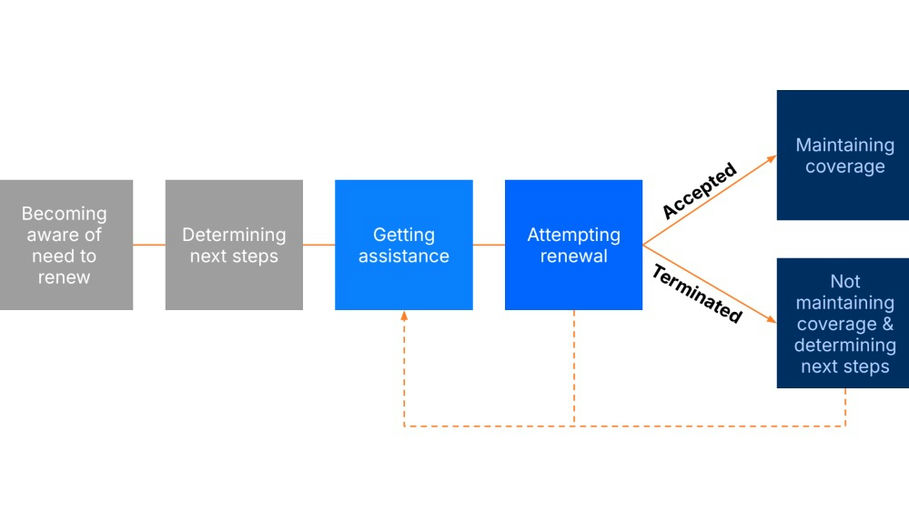
Based on user interviews with families across the United States who navigated the Medicaid renewal process, this report offers insights and recommendations for improving the experience of renewing Medicaid and other benefits.
This publication shares ten ways states can improve start-to-finish customer experience for unemployment insurance claimants. These approaches can increase overall equitable access and system integrity for UI administration.
This guide is intended to provide a general overview of the national statutory and regulatory landscape governing the legality of sending large volumes of text messages and sharing client information.
The Center on Budget and Policy Priorities (CBPP) report discusses how reducing administrative burdens in Medicaid can enhance health outcomes and promote racial equity.
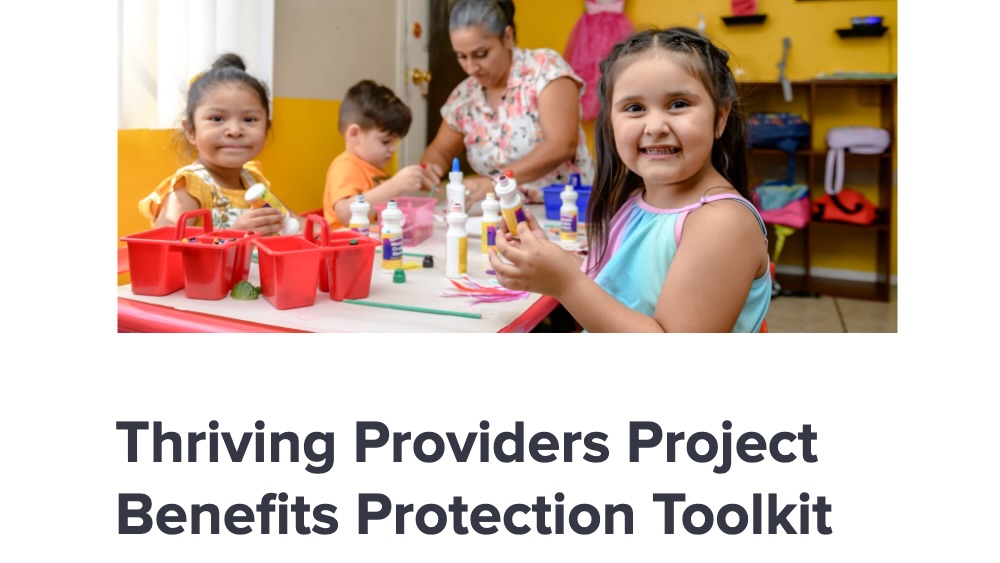
This benefits protection toolkit is a step-by-step guide to develop and integrate a benefits protection strategy into your Direct Cash Transfer (DCT) program design. This toolkit includes a set of customizable templates, letters, and other tools which should be downloaded and modified for your pilot and local context.
This resource describes how different agencies have updated their systems to increase online and mobile access to benefits information and applications, including using text messages to share benefits information with residents.
Eligible people struggle to maintain their case status for critical safety net services, often due to administrative hurdles and poor communication. Code for America piloted text message reminders to support Louisianans, which helped clients avoid costly churn. Text messages are an underrated, efficient solution for human service agencies to meet client expectations and improve case outcomes.