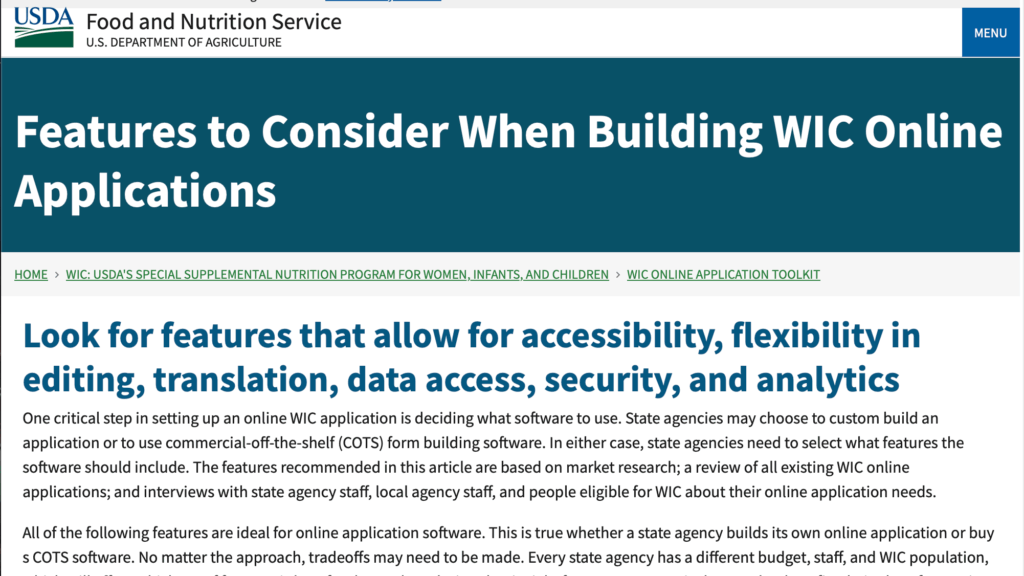
Key functionalities and design elements recommended for creating effective online WIC applications, focusing on usability, accessibility, and compliance to improve participant experience and streamline agency operations.
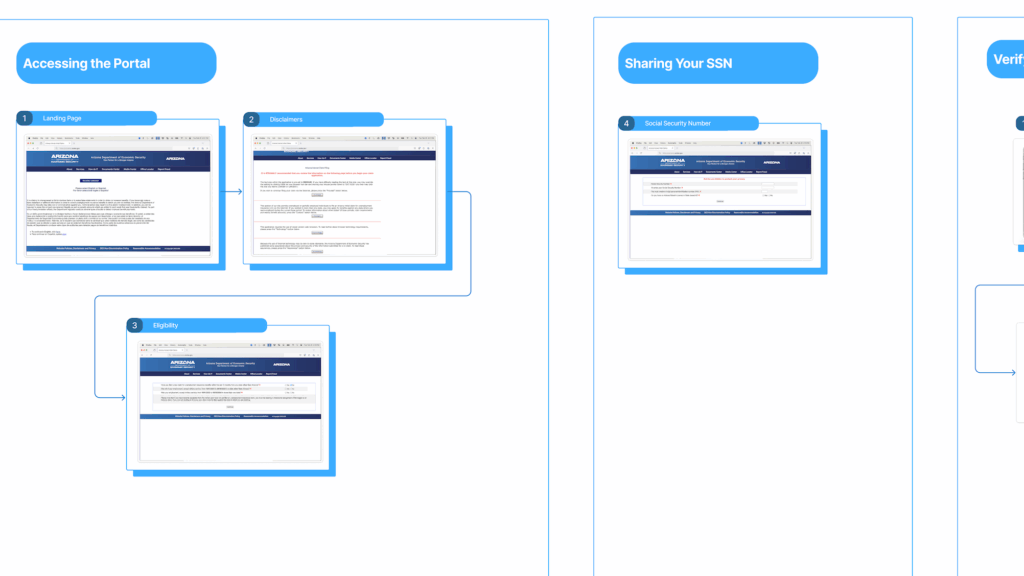
Created for use in the Digital Doorways research project, this design stimuli shows the steps of submitting an application, sharing personal information, and verifying identity for Arizona's online application for Unemployment Insurance.
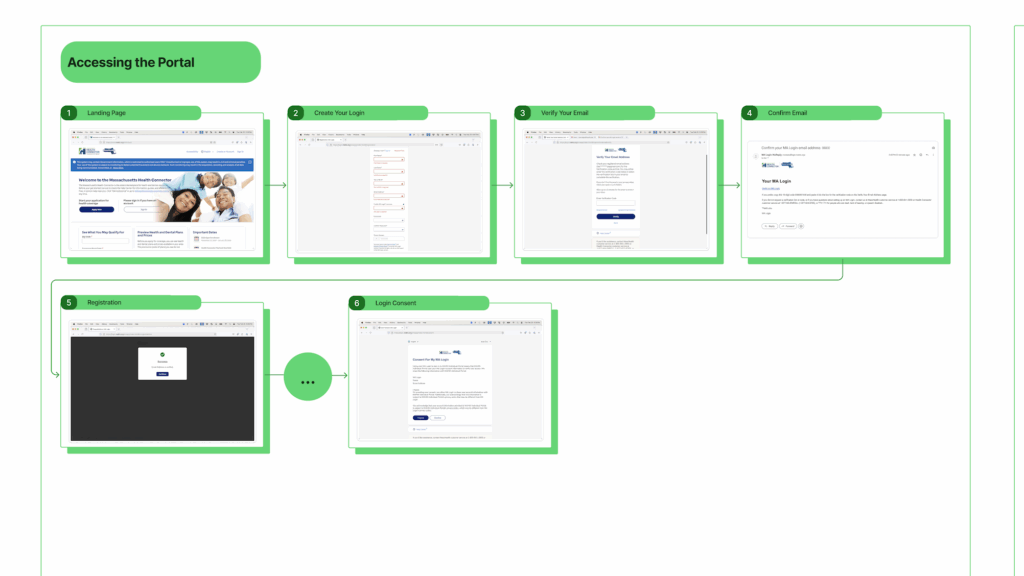
Created for use in the Digital Doorways research project, this design stimuli shows the steps of submitting an application, sharing personal information, and verifying identity for Massachusetts' online application for Medicaid.
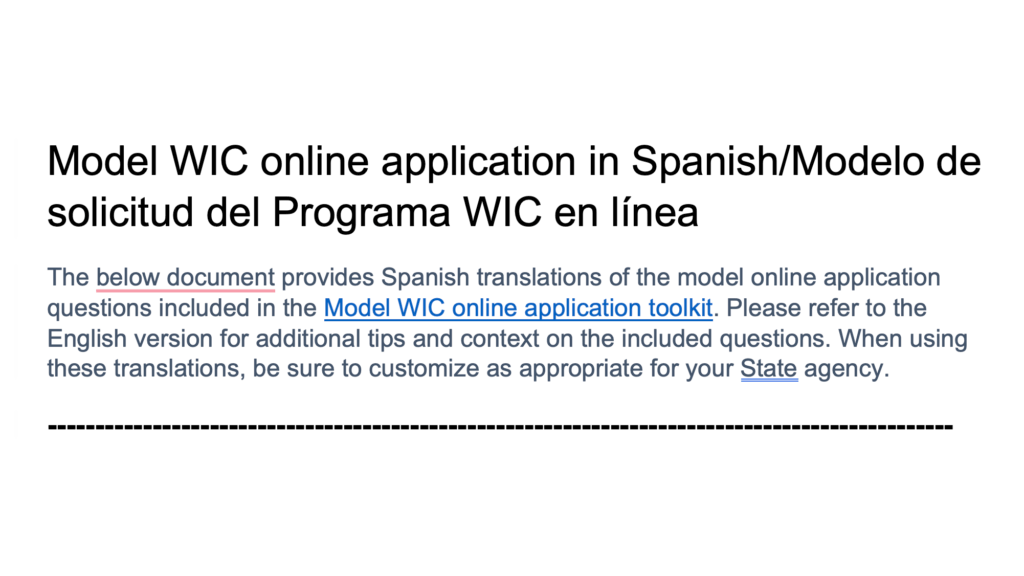
This document is the Spanish-language version of the Model WIC Online Application. It provides a full set of translated application questions and instructions for applying to the Special Supplemental Nutrition Program for Women, Infants, and Children (WIC).
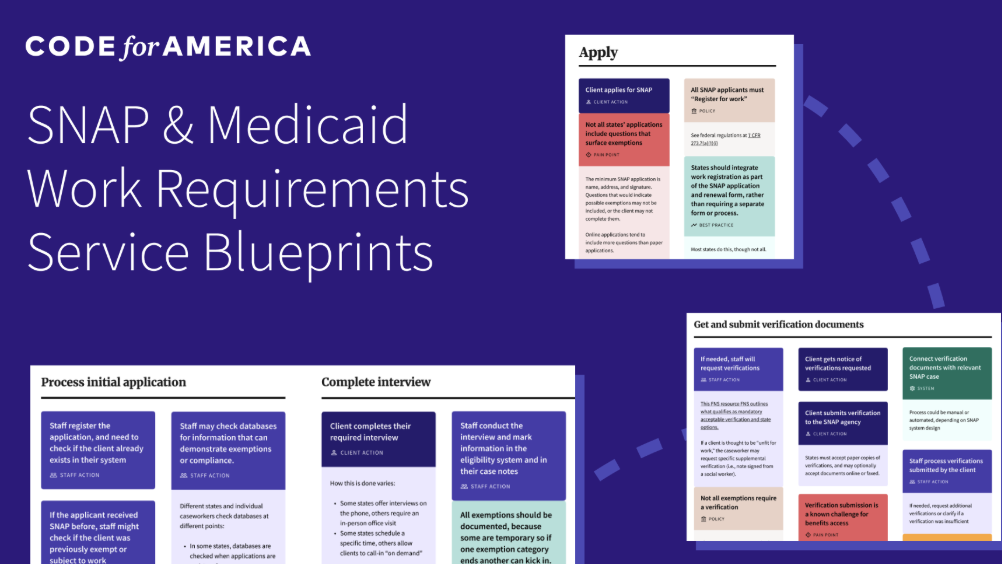
This file contains two, state-agnostic service blueprints that visualize how the new work requirements policy passed as part of H.R. 1 impacts the process of applying for, determining, and maintaining eligibility for SNAP and Medicaid benefits.
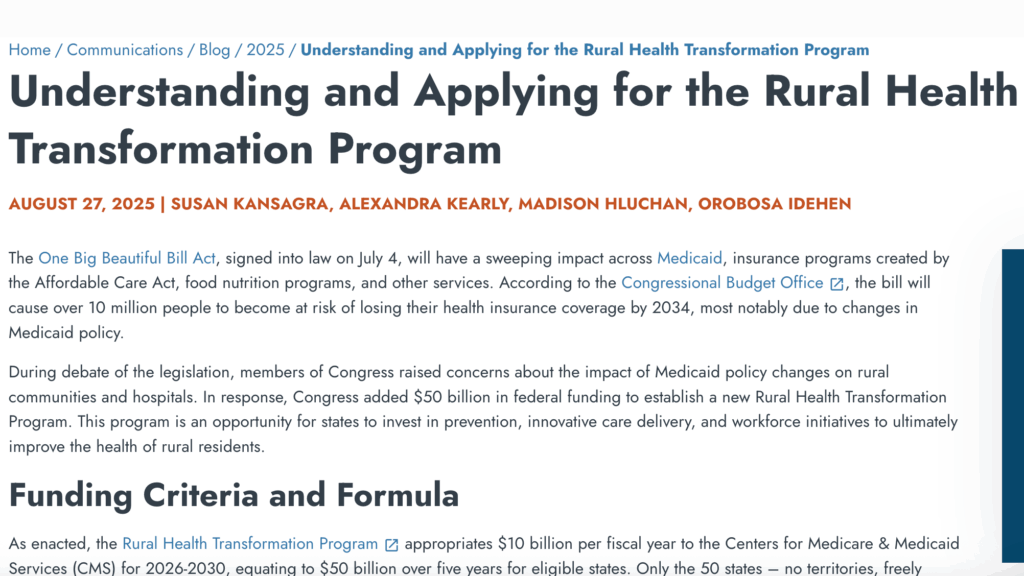
This blog explains how the Rural Health Transformation Program—established under H.R. 1—will channel $50 billion over five years to states to support rural health care, and outlines how states can apply, qualify, and deploy funds strategically.
Association of State and Territorial Health Offices (ASTHO)
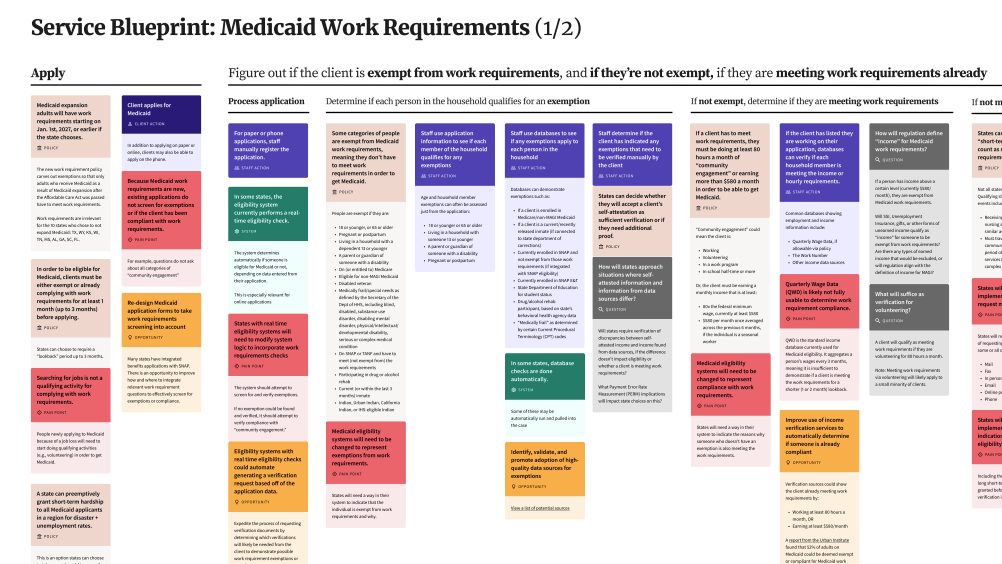
This 11x17 service blueprint visualizes every step, system, and policy decision involved in implementing Medicaid work requirements under H.R. 1—from application to renewal—identifying pain points, questions, and opportunities for states to streamline and humanize the process
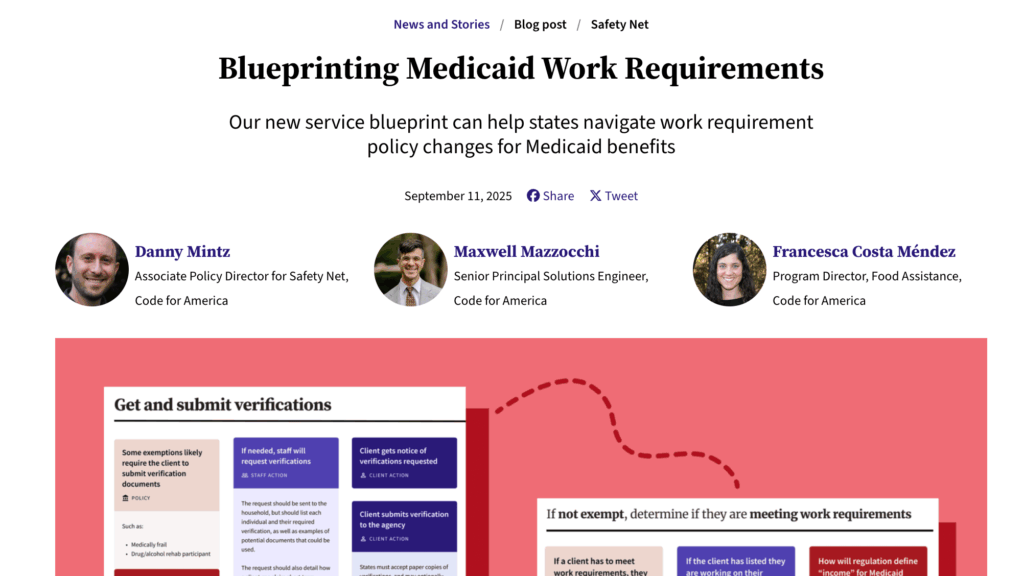
This blog introduces Code for America’s new service blueprint for Medicaid work requirements, highlighting how it can help states map system changes, identify pain points, and prioritize human-centered design.
This guide outlines key strategies, definitions, and procedures for improving SNAP payment accuracy and reducing quality control (QC) error rates across states.
This report summarizes insights from interviews with seven states on how they are adapting integrated eligibility and enrollment (IEE) systems in response to sweeping federal changes to SNAP and Medicaid under H.R. 1.
During this event, researchers addressed questions with findings from data collected from state UI agencies across the country and focus groups with women who have experienced unemployment.
This article discusses how Code for America enhanced the CalFresh application process to better assist self-employed individuals in accessing their full benefits by clarifying self-employment definitions and simplifying income verification.