Through our research understanding the government digital service field and what workers in this field need, we want to help strengthen those existing roles and establish more pathways for promotion and career support, as well as help other teams recognize the value of these skills and create new roles.
A webinar presenting fresh data on how young adults aged 22 are faring in terms of poverty, employment, education, living arrangements, and access to public benefits.
The team developed an AI-powered explanation feature that effectively translates complex, multi-program policy calculations into clear and accessible explanations, enabling users to explore "what-if" scenarios and understand key factors influencing benefit amounts and eligibility thresholds.
This field guide is for digital services and technology leaders working at the federal, state, or local government level. It describes a way of applying research approaches to strategic decision making across digital services.
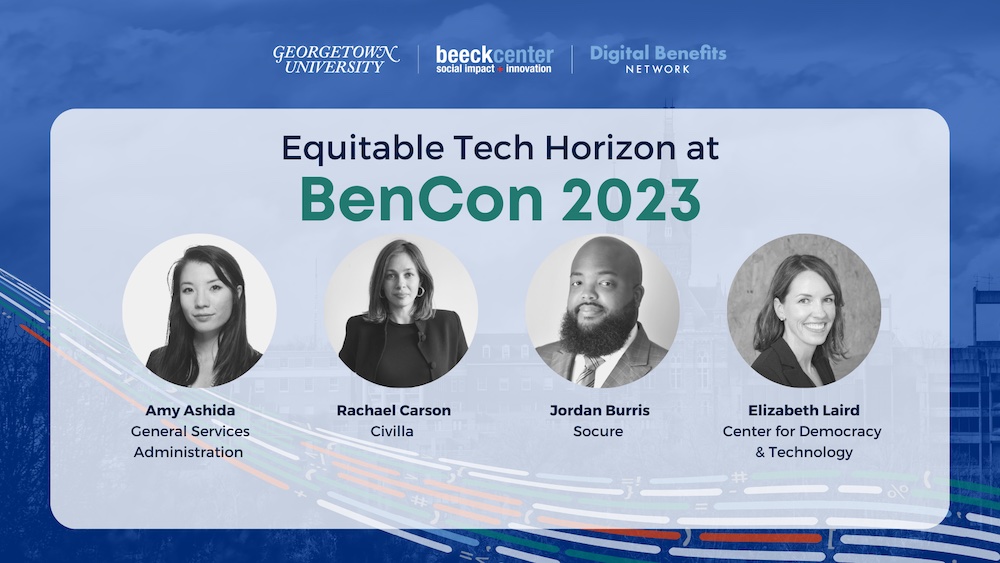
Hear perspectives on topics including centering beneficiaries and workers in new ways, digital service delivery, digital identity, and automation.This video was recorded at the Digital Benefits Conference (BenCon) on June 14, 2023.
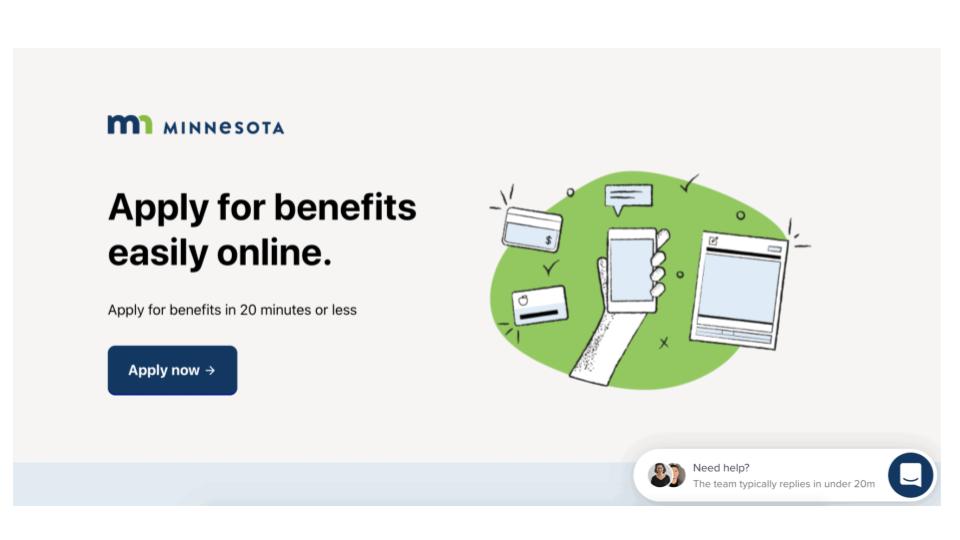
Minnesota is a good example of an organization that started small in its drive to integrate benefits programs. For instance, its recent statewide rollout of its online integrated benefit application website, MNbenefits.mn.gov, started as a pilot in 2020 with Code for America. The pilot encompassed two counties including Hennepin County, where Minneapolis is located. The pilot later expanded to four counties, then 16 and a tribal nation. The final roll out, which took 12 months to implement, included the state’s 87 counties and three tribal nations.