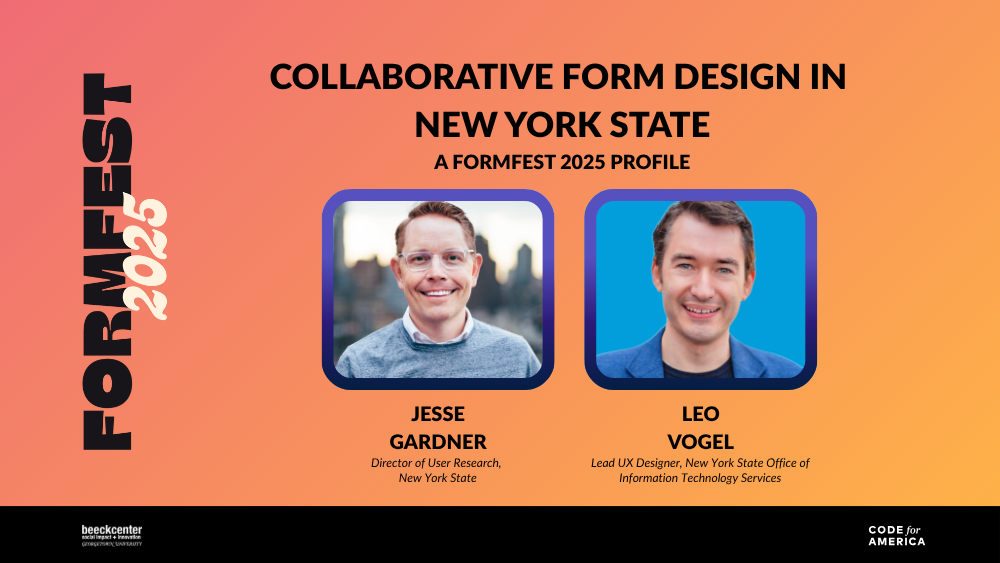
A FormFest profile highlighting how New York State’s design and technology teams are reimagining form creation through collaborative, human-centered design methods that simplify processes and expand participation.
During this event, researchers addressed questions with findings from data collected from state UI agencies across the country and focus groups with women who have experienced unemployment.
This communications workplan provides a strategic framework for state Medicaid agencies to manage outreach and engagement ahead of the January 2027 implementation of Medicaid work reporting requirements.
Through the ACCESS project, key collaborators have shared insights into current and future opportunities for alignment within their agencies, including potential enablers for and barriers to alignment activities.
American Public Human Services Association (APHSA)
There were over 25 million Medicaid disenrollments in 2023, but national enrollment remained significantly above pre-pandemic levels at over 56 million, with notable state-level variations and near-recovery of child enrollment.
This report provides guidance on building equitable and user-friendly affordable housing portals, highlighting best practices from platforms like Bloom Housing and Housing Navigator MA.
The report documents how grantees implemented specialized Transitional Living Programs for LGBTQ youth and young adults aging out of foster care, highlighting approaches, challenges, and lessons learned.
A case study documenting how a human-centered claimant portal was developed for the New Jersey Department of Labor (NJDOL) to modernize unemployment insurance access using agile development and API technology.