This article highlights how state unemployment insurance (UI) agencies are leveraging data to modernize systems and enhance access for unemployed workers.
This report catalogs the policy choices, demonstration projects, and waivers each state uses to administer SNAP, highlighting how states adapt federal rules to local needs.
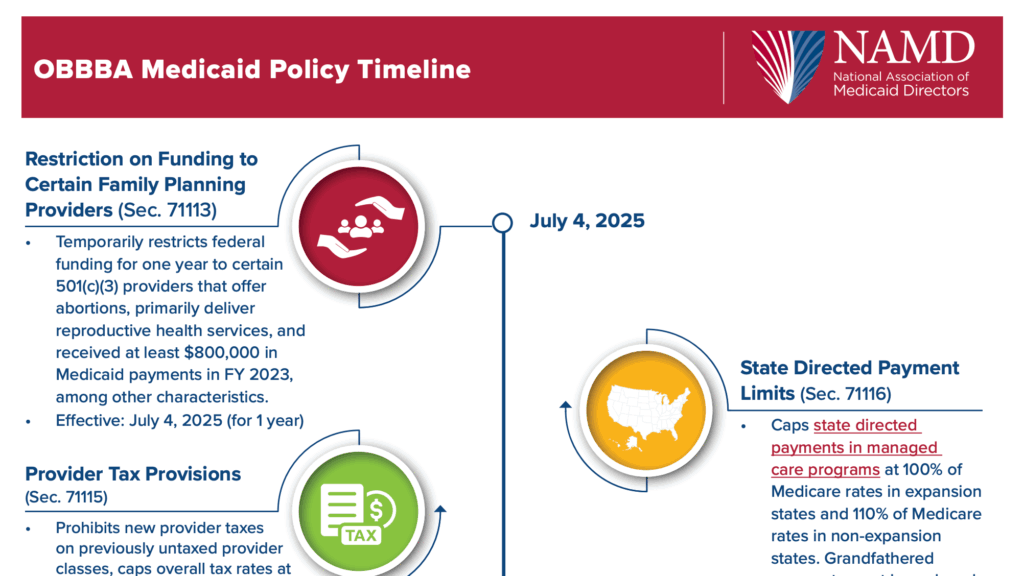
This timeline outlines key Medicaid policy changes introduced by the One Big Beautiful Bill (OBBBA / H.R. 1) with the greatest operational impact on state and territory agencies and highlights upcoming implementation deadlines.
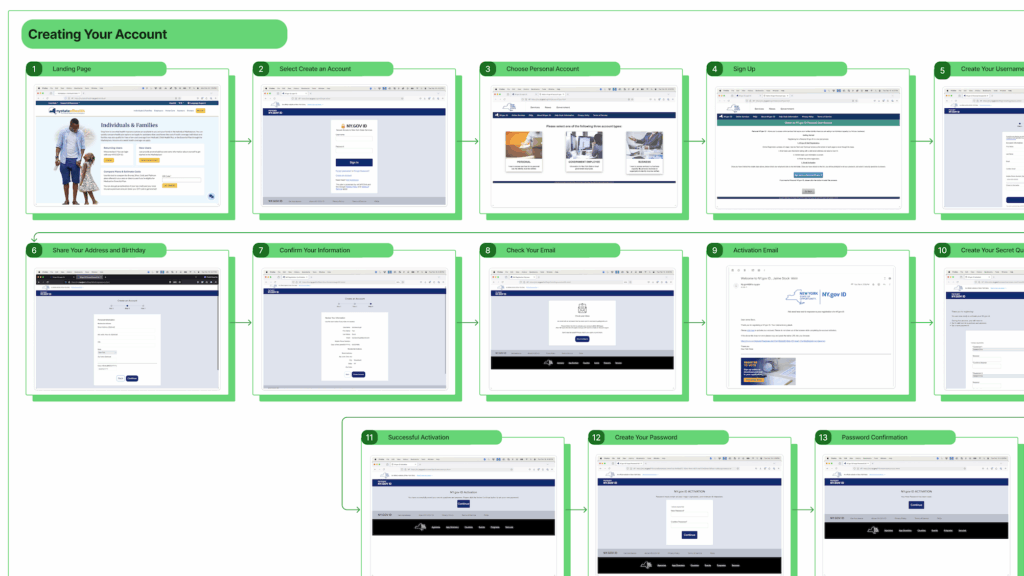
Created for use in the Digital Doorways research project, this design stimuli shows the steps of submitting an application, sharing personal information, and verifying identity for New York's online application for Medicaid.
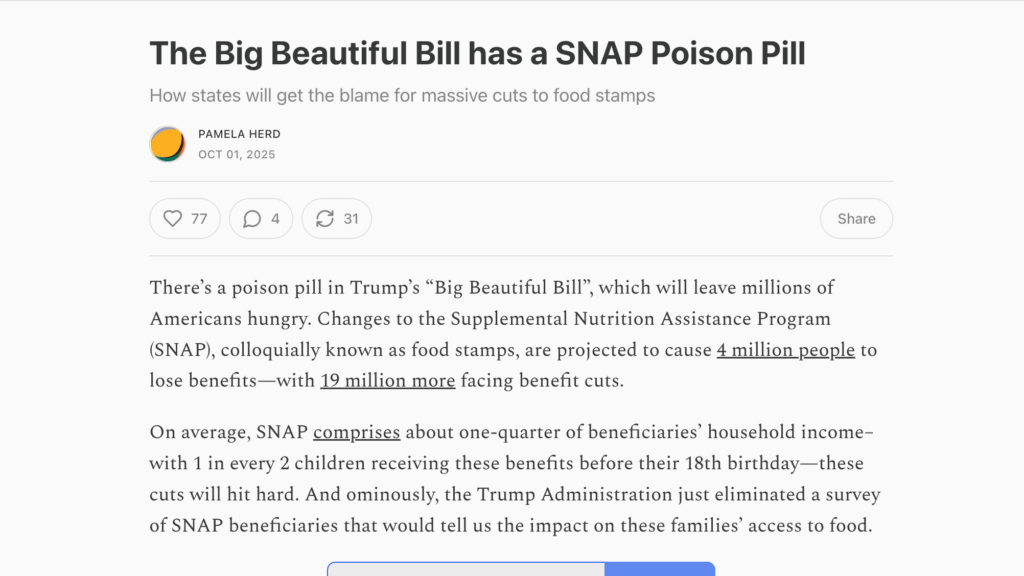
This blog discusses how the “Big Beautiful Bill” (H.R. 1) contains provisions that undermine SNAP and warns that states will be burdened by its fiscal and administrative impact.
Guidance from Washington Technology Solutions (WaTech) outlining the state’s framework for responsibly procuring, deploying, and monitoring generative AI technologies across government agencies.
A statewide framework defining six core digital skills standards to equip North Carolina residents with the competencies needed to participate safely, confidently, and effectively in an increasingly digital world.
North Carolina Department of Information Technology (NCDIT)
This field guide provides practical guidance for conducting usability testing on ballots to identify design issues and ensure voters can successfully cast their votes as intended.
A public-sector innovation challenge website inviting teams to design a roadmap for a unified, user-centered resident portal that improves access to Washington State government services.
A strategic roadmap outlining the vision, goals, and measurable success criteria for building a unified, resident-centered digital portal for Washington State services.