The report examines how AI deployment across state and local public administration such as chatbots, voice transcription, content summarization, and eligibility automation are reshaping government work.
Guidance on improving how well AI systems can understand digital content. It emphasizes using machine-readable formats and applying clear content design strategies to enhance both AI processing and human accessibility
Canada’s Digital Standards are a set of principles that guide how public servants design, build, and run government digital services so they’re user-centered, accessible, secure, open, and trustworthy.
The article explains that for government agencies to successfully use Agile software development with vendors, they need to make changes in staffing—specifically by creating roles like a product owner and technical lead within the agency.
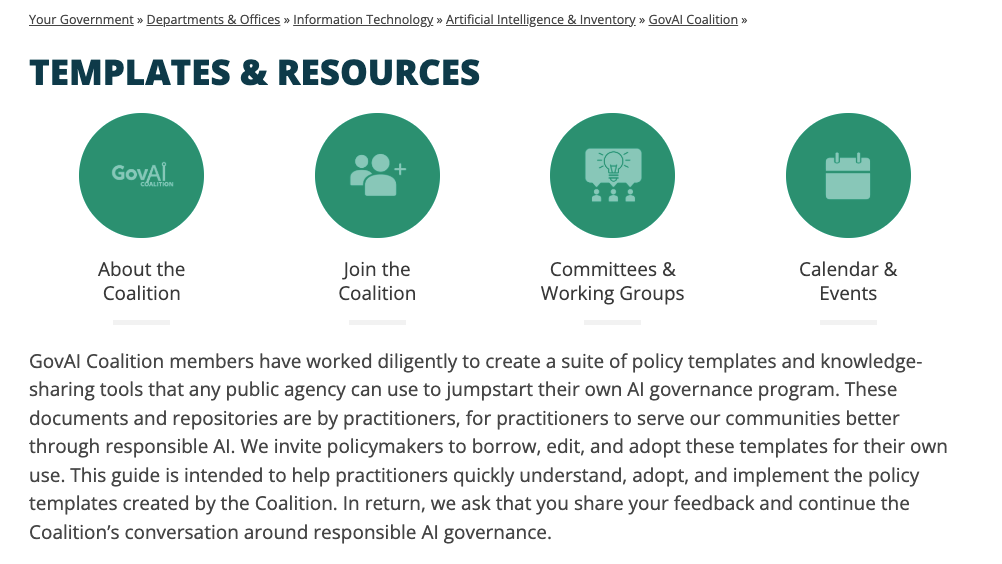
A publicly-available suite of policy templates and knowledge-sharing tools offered by the GovAI Coalition (via the City of San José) to help public agencies launch or refine responsible AI governance programs.
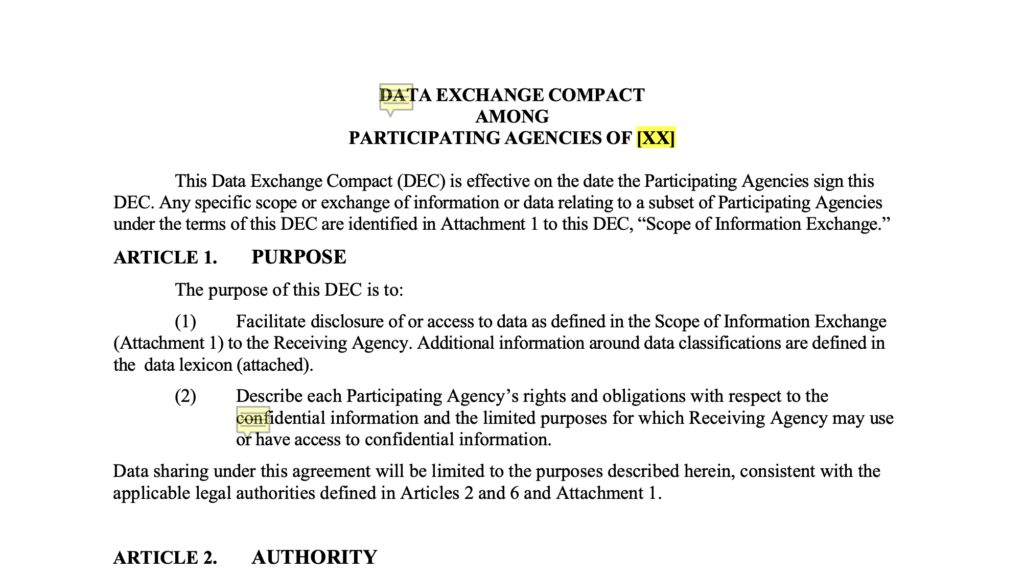
A comprehensive template for establishing legally compliant data-sharing agreements between government agencies, defining authorized purposes, privacy protections, security requirements, and governance responsibilities.
This overview introduces direct cash transfers (DCTs) in the United States, outlining their history, major programs, and findings from contemporary guaranteed income demonstrations that show how cash supports improve family stability, health, and economic mobility
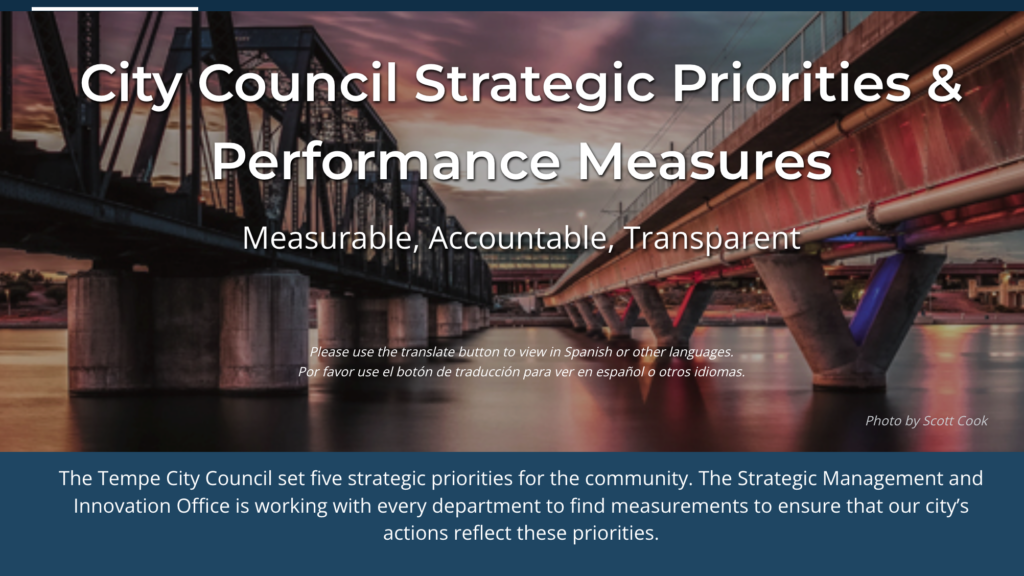
The Tempe City Council set five strategic priorities for the community. The Strategic Management and Innovation Office is working with every department to find measurements to ensure that our city’s actions reflect these priorities.
A comprehensive guide that provides role definitions, hiring guidance, interview materials, and evaluation rubrics for building effective UX design and research teams.
This publication explains the fundamentals of state IEE systems—including the technology, opportunities, risks, and stakeholders involved. It is a resource for state officials, advocates, funders, and tech partners working to implement these systems.
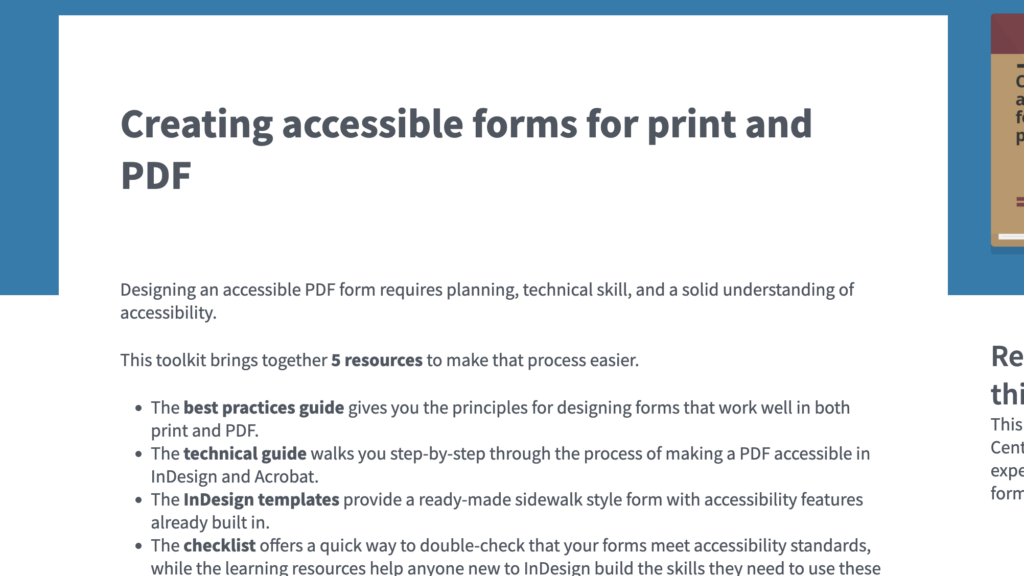
A practical toolkit that guides teams through designing and building accessible forms in print and PDF formats that are usable by people with disabilities and meet accessibility standards.