The NYC Benefits Screening API provides machine-readable calculations and criteria for benefits screening that power the ACCESS NYC screening questionnaire.
This landscape analysis examines data, design, technology, and innovation-enabled approaches that make it easier for eligible people to enroll in, and receive, federally-funded social safety net benefits, with a focus on the earliest adaptations during the COVID-19 pandemic.
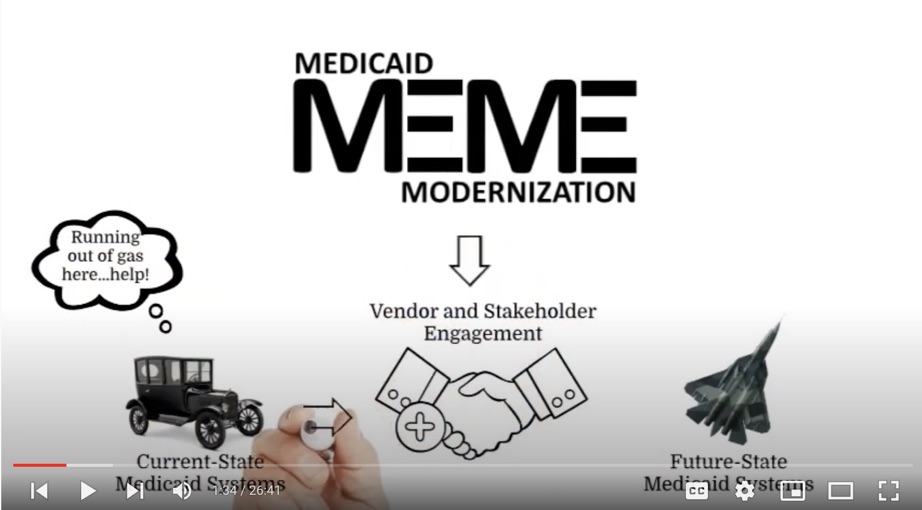
This artifact is a telestration video introducing Iowa Medicaid's Medicaid Enterprise Modernization Effort (MEME) initiative, providing vendors with background information and strategic outcome priority goals to elicit feedback from the vendor community via Request for Information (RFI).
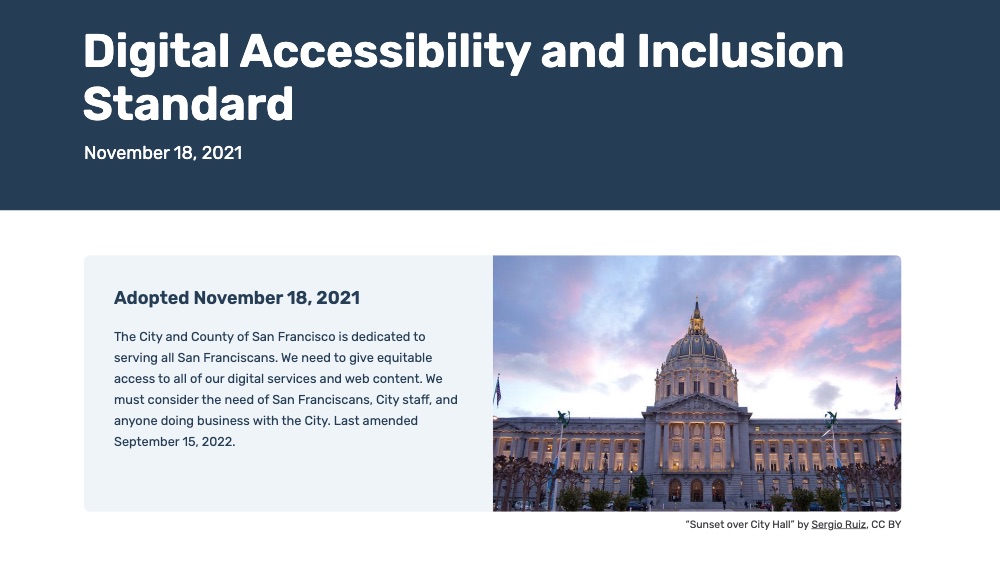
City and County of San Francisco's Digital Accessibility and Inclusion Standard which ensures equitable access to all of digital services and web content for San Franciscans.
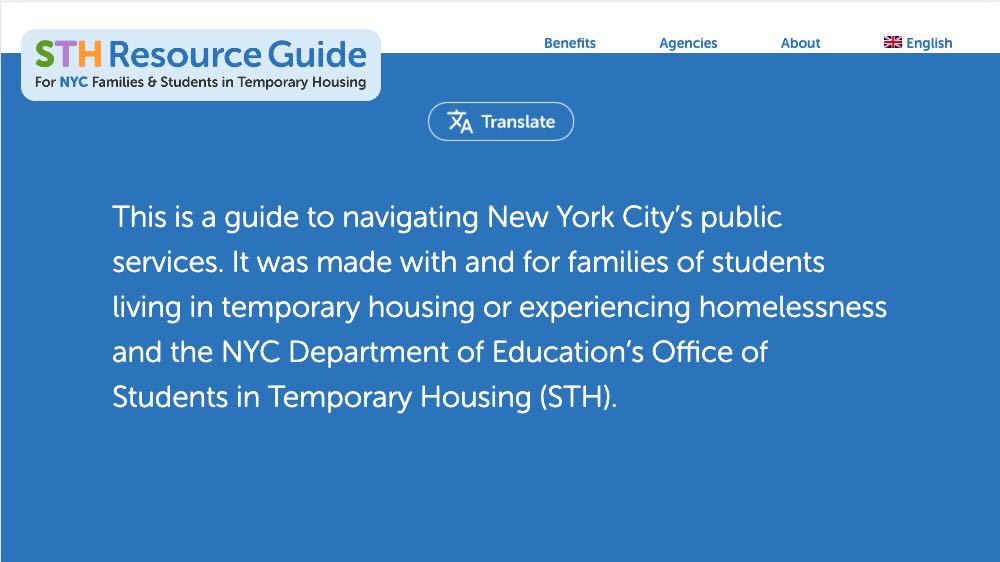
A guide to navigating New York City’s public services. It was made with and for families of students living in temporary housing or experiencing homelessness and the NYC Department of Education’s Office of Students in Temporary Housing (STH).