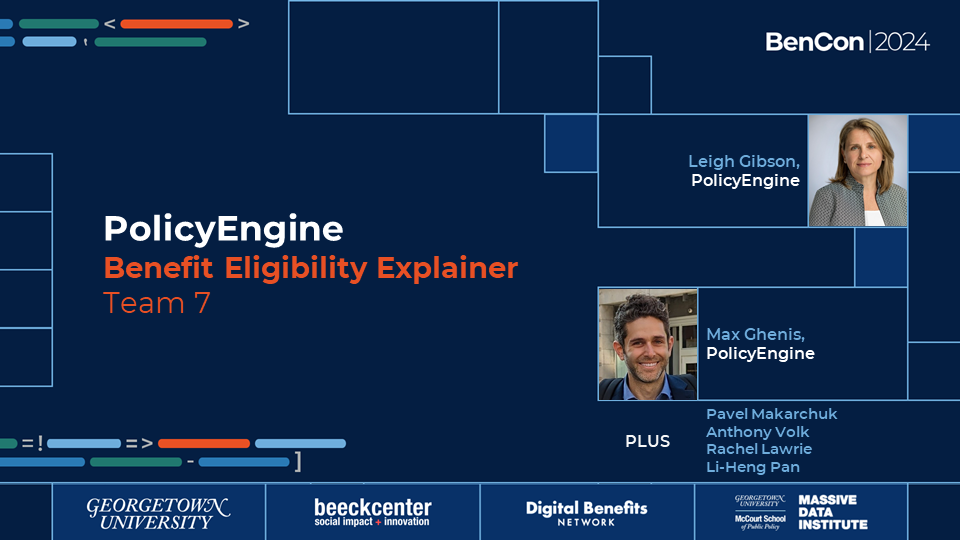
The team developed an AI-powered explanation feature that effectively translates complex, multi-program policy calculations into clear and accessible explanations, enabling users to explore "what-if" scenarios and understand key factors influencing benefit amounts and eligibility thresholds.
A toolkit that outlines seven practical steps for government agencies to build or strengthen a communications program aligned with audience needs and organizational goals.
This research paper explores how government design systems function as the “translation layer” of digital public infrastructure, transforming technical systems into accessible, trustworthy citizen experiences.
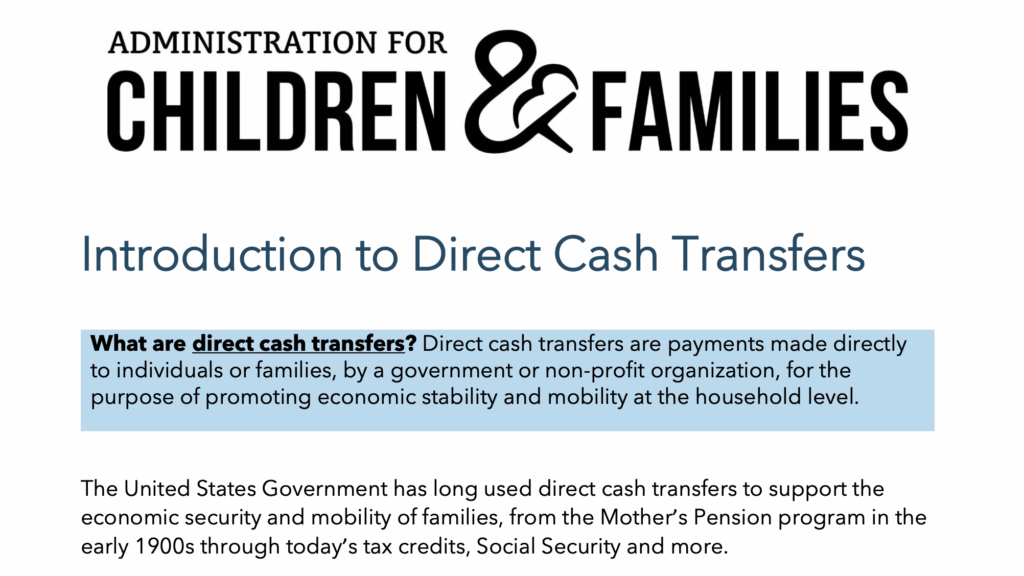
This overview introduces direct cash transfers (DCTs) in the United States, outlining their history, major programs, and findings from contemporary guaranteed income demonstrations that show how cash supports improve family stability, health, and economic mobility
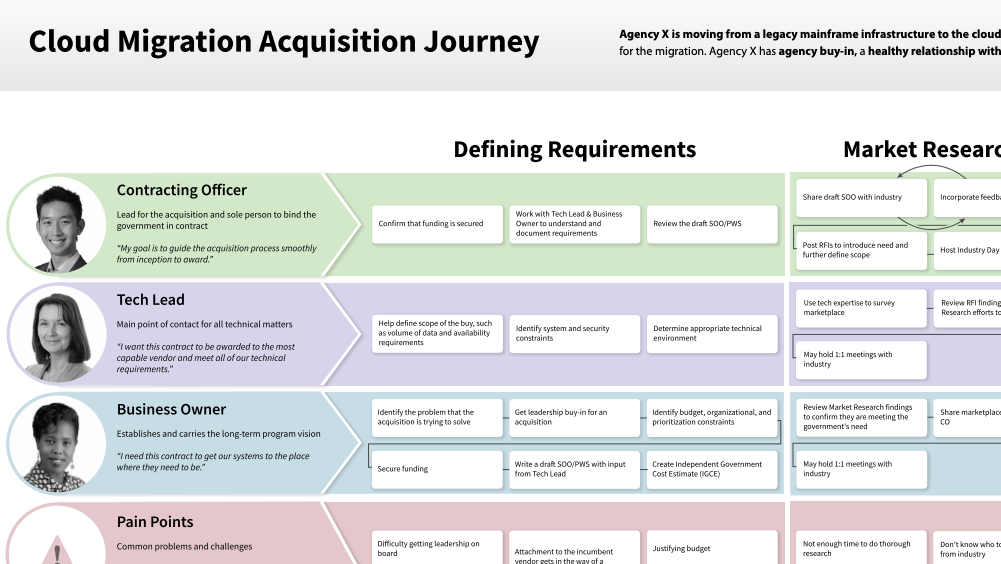
A visual journey map that outlines the end-to-end steps, roles, and decisions involved in procuring cloud migration support services for modernizing a legacy system.
Explains that government service forms should be designed to reduce anxiety and build trust—especially for marginalized people—by minimizing requests for highly sensitive personal information or explaining clearly why and how such data will be used, making optional fields and alternatives available, and providing context and reassurance throughout the application process.
DGN Spotlights are short-form project profiles that feature exciting work happening across our network of digital government practitioners. Spotlights celebrate our members’ stories, lift up actionable takeaways for other practitioners, and put the resources and examples we host in the Digital Government Hub in context.
This brief highlights key takeaways from APHSA’s work on young families, starting with an overview of the young families work and its early years, followed by key takeaways and highlights from its final year, ending with opportunities for future work in the young families space.
American Public Human Services Association (APHSA)