This Urban Institute report examines how public investments in children's health, education, and welfare yield significant short- and long-term benefits for both individuals and society.
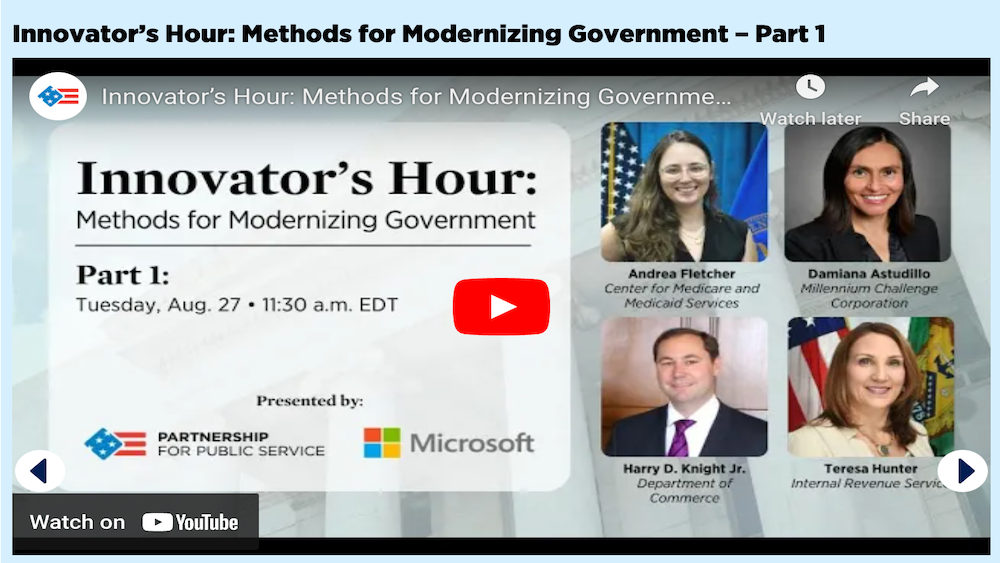
The Modern Government Leaders program brought together federal executive innovators to share best practices and drive service delivery and process modernization.
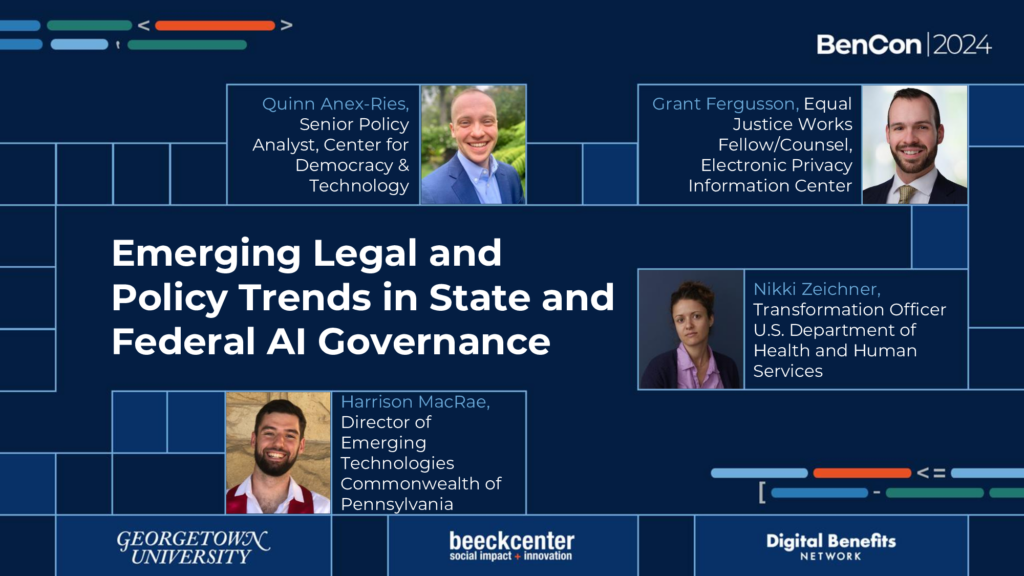
BenCon 2024 explored state and federal AI governance, highlighting the rapid increase in AI-related legislation and executive orders. Panelists emphasized the importance of experimentation, learning, and collaboration between government levels, teams, agencies, and external partners.
Government leaders discuss how to ensure seamless access to public benefits through breaking down silos, user-friendly digital identities, and privacy-focused security measures.
Presentation covering the findings of a research study analyzing the structural and budgetary layout of of eleven US-based Digital Service Teams (DSTs) at the municipal, county, and state levels.
Through deeply reported case studies and insights from focus groups, this report provides an in-depth look at the impact of pandemic-era government spending on families.
This report reviews global AI governance tools, highlighting their importance in ensuring trustworthy AI, while identifying gaps and risks in their effectiveness, and offering recommendations to improve their development, oversight, and integration into policy frameworks.
This guide helps UK public bodies understand how to responsibly procure, develop, and use AI while meeting their legal duties to prevent discrimination and promote equality under the Public Sector Equality Duty (PSED).
This report outlines the current status and modernization plans for CFPB websites and digital services, as required by the 21st Century Integrated Digital Experience Act (IDEA).