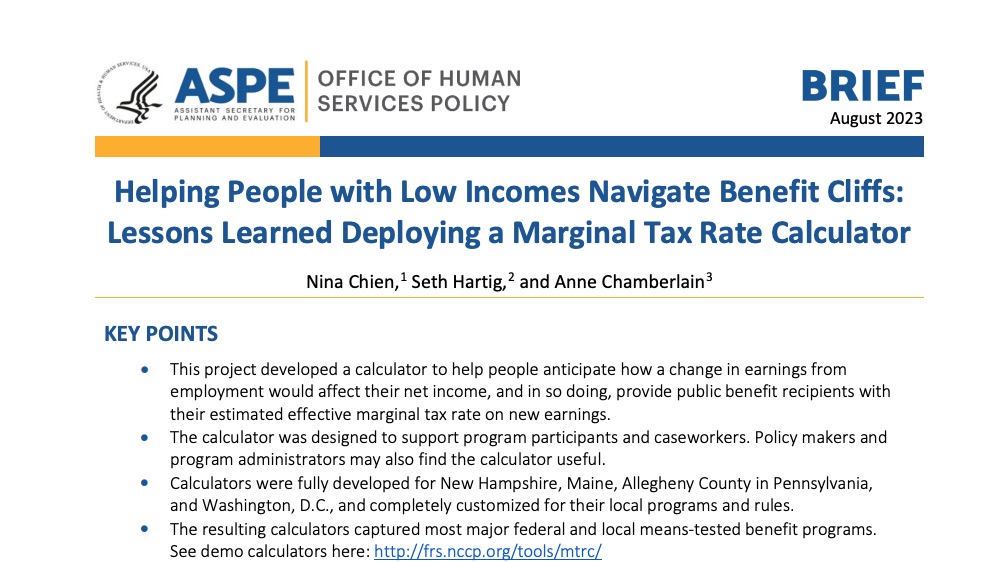
This report details findings and lessons from a project to develop a calculator to help people anticipate how a change in earnings from employment would affect their net income and information on their estimated effective marginal tax rate.
U.S. Department of Health and Human Services (HHS)
Innovators inside and outside of government are working to improve access to the social safety net using data, technology, and design. This report highlights innovations carried out by The Rockefeller Foundation’s Data and Technology grantees from 2018 to 2021, including extraordinary efforts to meet the challenges of the pandemic. Those grantees are: Benefits Data Trust, Code for America, Georgetown University’s Beeck Center for Social Impact and Innovation, U.S. Digital Response, and the Digital Innovation and Governance Initiative at New America. In 2020, these projects secured more than $200 million in benefits for close to 100,000 people across at least 36 states, and helped millions more through policy change, training, and guidance.
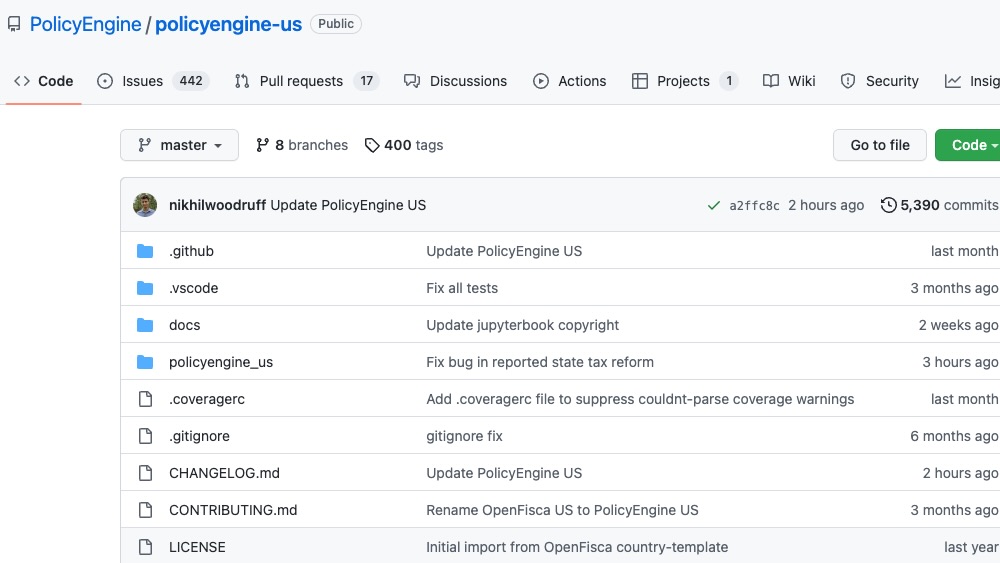
PolicyEngine US is a Python-based microsimulation model of the US tax and benefit system. It models federal individual income taxes (including credits), major benefit programs, and state income taxes (currently in six states). The PolicyEngine US package can be used as a Python package, via the PolicyEngine API, or via the policyengine.org web app.
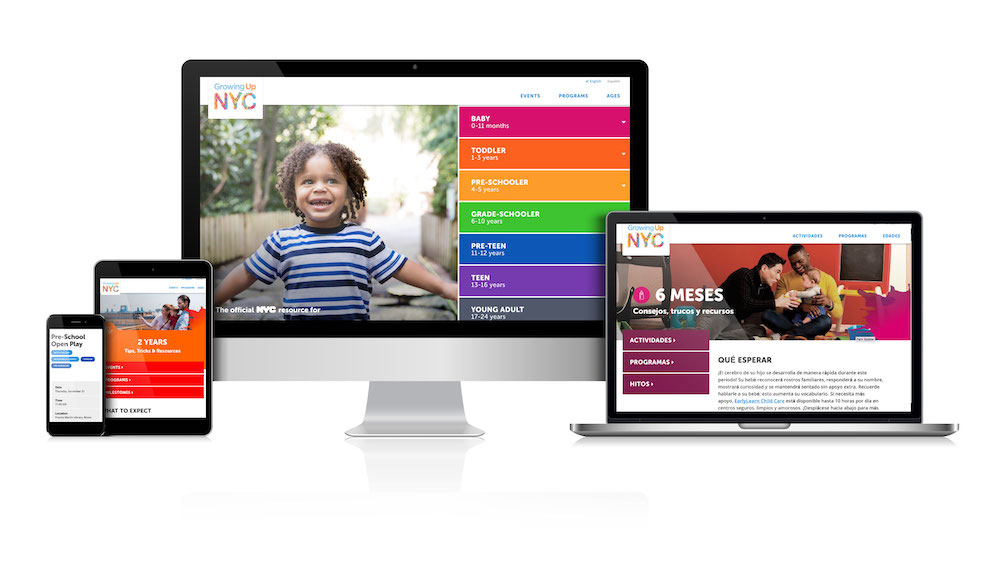
Growing Up NYC is mobile-friendly website that makes it simple for families to learn about and access city programs, as well as services and activities available to New York residents.
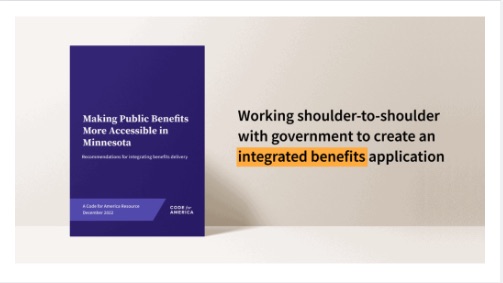
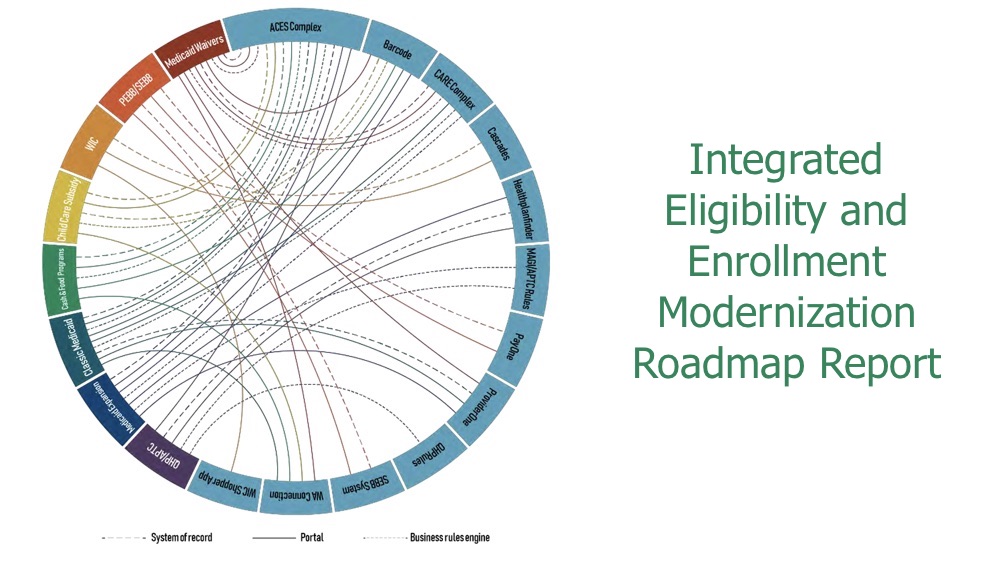
This roadmap provides a vision and plan for how to deliver modernized integrated eligibility and enrollment for health and human services using human-centered design, modular approaches to replacing legacy technology, change management, and iterative product processes.
This Urban Institute report identifies strategies to improve young people’s access to public benefits through targeted outreach, benefit navigation, cross-organizational partnerships, and streamlined eligibility processes.
The team developed an AI-powered explanation feature that effectively translates complex, multi-program policy calculations into clear and accessible explanations, enabling users to explore "what-if" scenarios and understand key factors influencing benefit amounts and eligibility thresholds.
A 2025 policy agenda outlining comprehensive federal and state recommendations to eliminate benefits cliffs and strengthen economic mobility for families transitioning off public assistance.
This publication explains the fundamentals of state IEE systems—including the technology, opportunities, risks, and stakeholders involved. It is a resource for state officials, advocates, funders, and tech partners working to implement these systems.