This resource provides guidance on streamlining enrollment across public benefit programs to improve efficiency, reduce administrative burdens, and enhance access for eligible individuals and families.
On January 20, 2021, the President issued EO 13985, which established that the Federal Government should pursue a comprehensive approach to advancing equity for all. USDA's Equity Action Plain details a subset of USDA actions to achieve this goal.
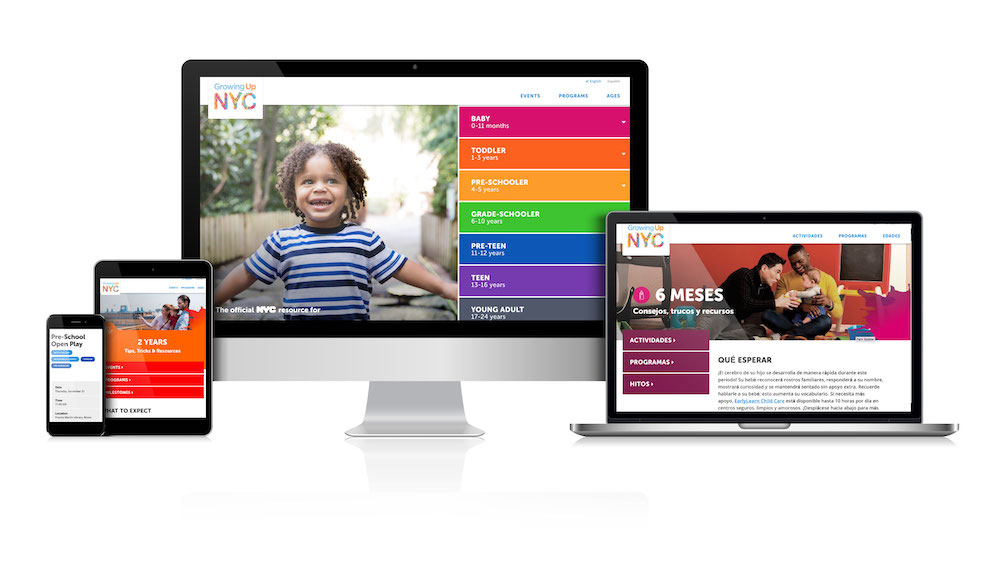
Growing Up NYC is mobile-friendly website that makes it simple for families to learn about and access city programs, as well as services and activities available to New York residents.
This resource provides an overview of the Supplemental Nutrition Assistance Program Employment & Training (SNAP E&T) program, highlighting state implementation strategies, funding mechanisms, and policy opportunities to strengthen workforce participation among SNAP recipients.
American Public Human Services Association (APHSA)
The Hawai‘i Department of Human Services (DHS), in partnership with the Hawai‘i Department of Health (DOH) and the Children’s Healthy Living Center of Excellence (CHL Center) at the University of Hawai‘i at Mānoa, is building foundational capacity to share and analyze administrative data across the SNAP (Supplemental Nutrition Assistance Program) and the Special Supplemental Nutrition Program for Women, Infants and Children (WIC). This groundwork will enable Hawai‘i to increase access to nutrition support programs, in alignment with Hawai‘i’s ‘Ohana Nui framework, which aims to dismantle intergenerational poverty.
American Public Human Services Association (APHSA)