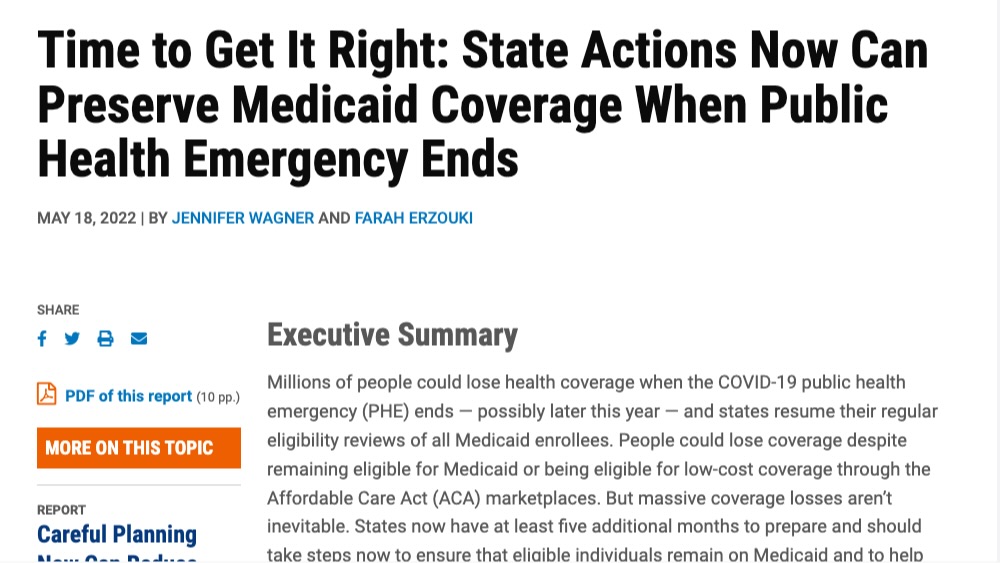
This report outlines critical actions states should take to maintain Medicaid coverage as the COVID-19 Public Health Emergency (PHE) concludes, aiming to prevent widespread loss of health insurance among eligible individuals.
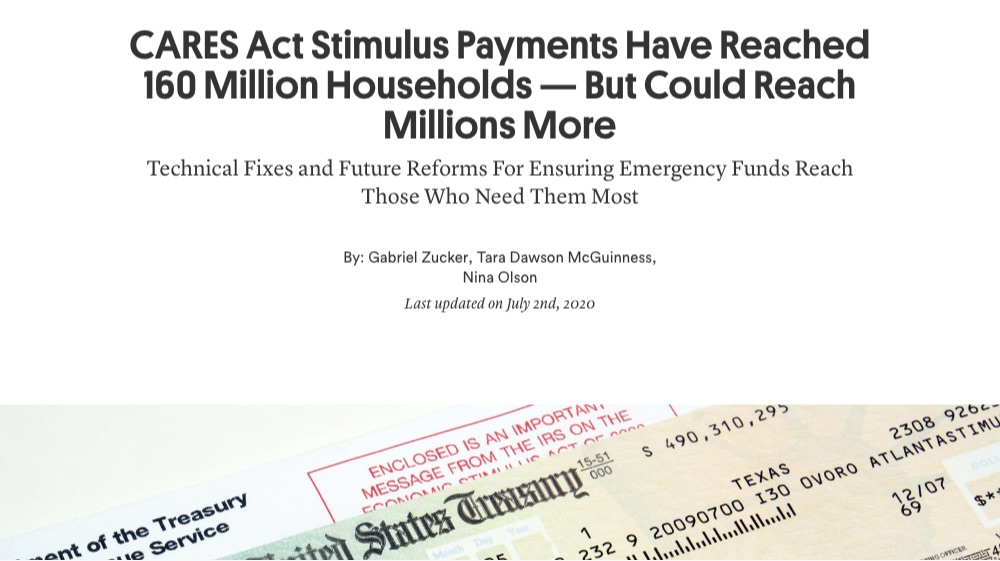
The CARES Act Stimulus Payments Report by New America analyzes the implementation and impact of the Economic Impact Payments (stimulus checks) distributed during the COVID-19 pandemic, highlighting accessibility challenges and policy recommendations for future direct payments.
This Issue Spotlight explores the challenges that recipients of public benefits programs offering cash assistance encounter in accessing funds through financial products or services, with a specific focus on assistance provided on prepaid cards.
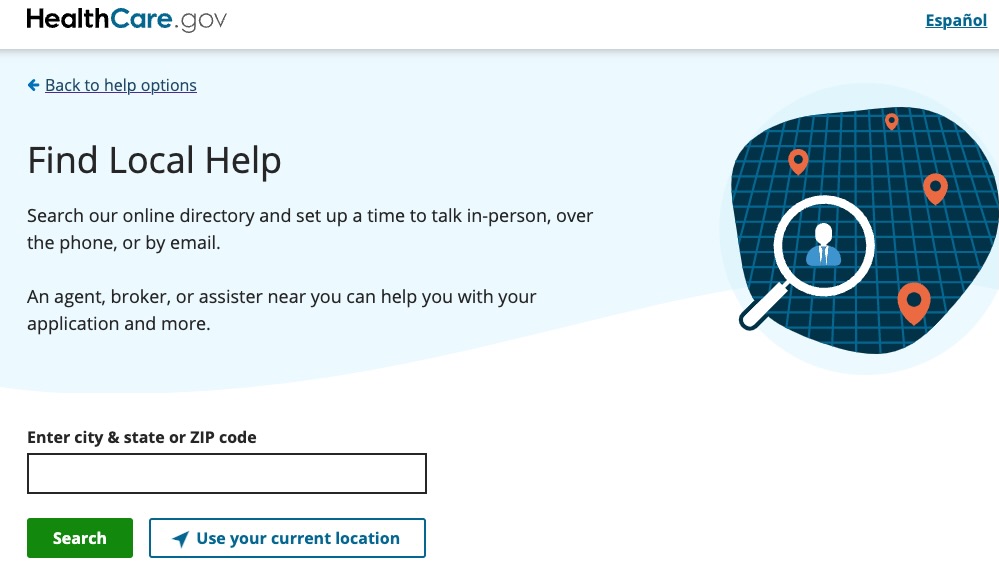
When people hit the moment in the HealthCare.gov sign-up process where they need in-person help, they’re likely frustrated and at risk of abandoning the process altogether. To help, Ad Hoc designers on the Centers for Medicare & Medicaid Services (CMS) Find Local Help team extensively researched user pain points and used human-centered design to create a tool that respects the stress users may experience and delivers the information they need as quickly and simply as possible.
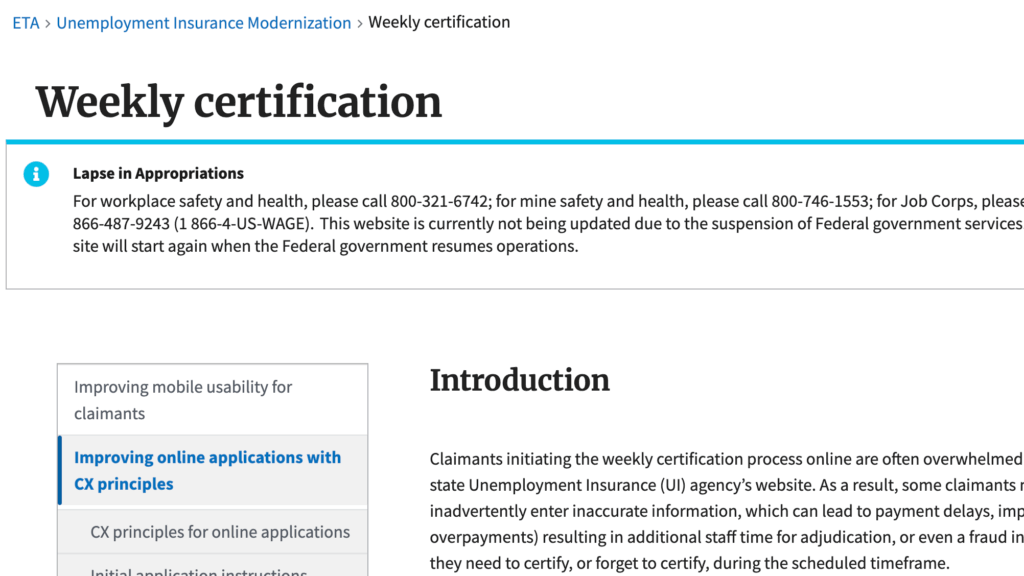
This resource provides guidance and best practices for the weekly or bi-weekly certification process that claimants must complete to maintain eligibility for unemployment insurance (UI) benefits.
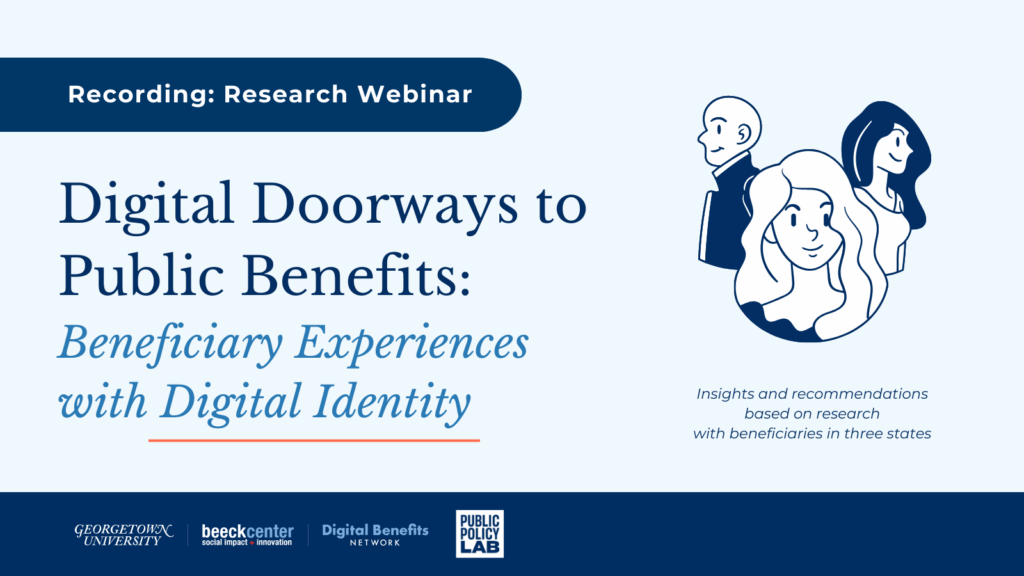
The Digital Benefits Network at the Beeck Center for Social Impact + Innovation at Georgetown University and Public Policy Lab co-hosted a webinar presenting breaking research on beneficiary experiences with digital identity processes in public benefits.
There were over 25 million Medicaid disenrollments in 2023, but national enrollment remained significantly above pre-pandemic levels at over 56 million, with notable state-level variations and near-recovery of child enrollment.