A data report providing updated statistics on key federal programs that support the well-being of women, LGBTQI+ individuals, and their families, highlighting trends, coverage gaps, and areas for policy improvement.
This guide consolidates learning and spotlights principles, insights, and emerging practices to guide municipal leaders and public-private partnerships interested in designing basic income programs that are ethical, equitable, rigorous, informative, and consequential for local, state and national policymaking.
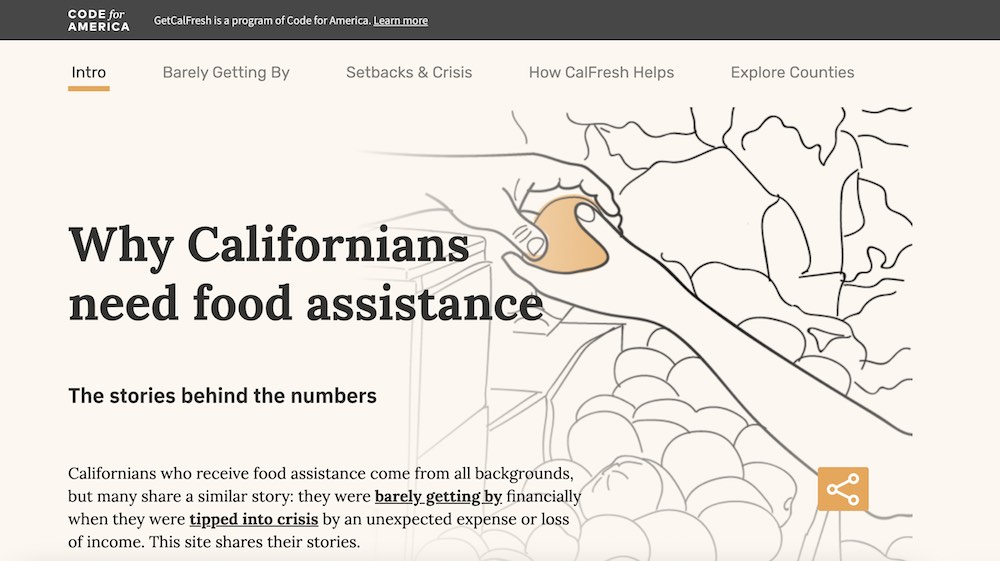
Californians who receive food assistance come from all backgrounds, but many share a similar story: they were barely getting by financially when they were tipped into crisis by an unexpected expense or loss of income. This site shares their stories.
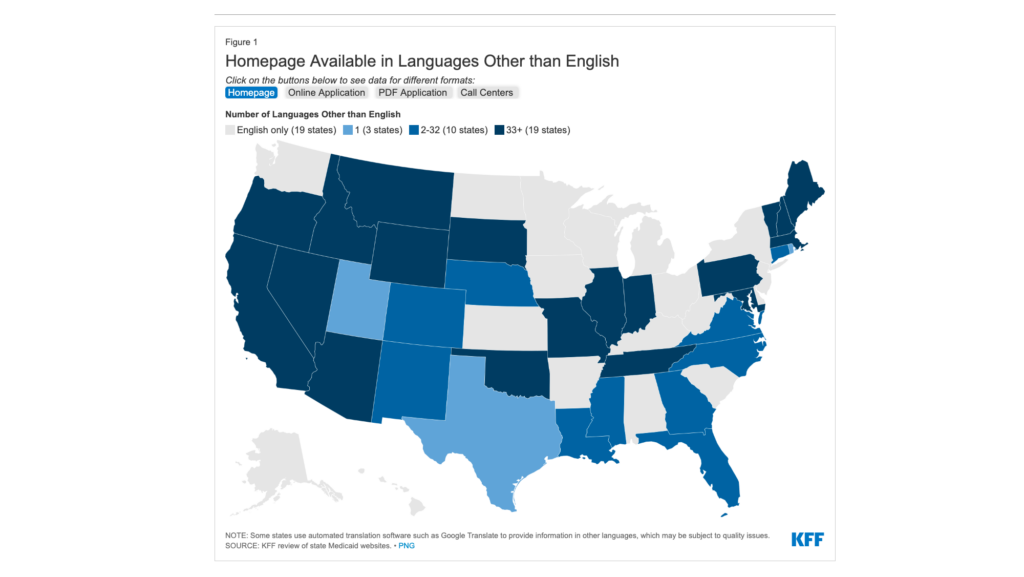
While most states provide basic digital accessibility, this review warns that persistent gaps in language services and disability accommodations create significant barriers for enrollees as pandemic-era Medicaid protections expire.
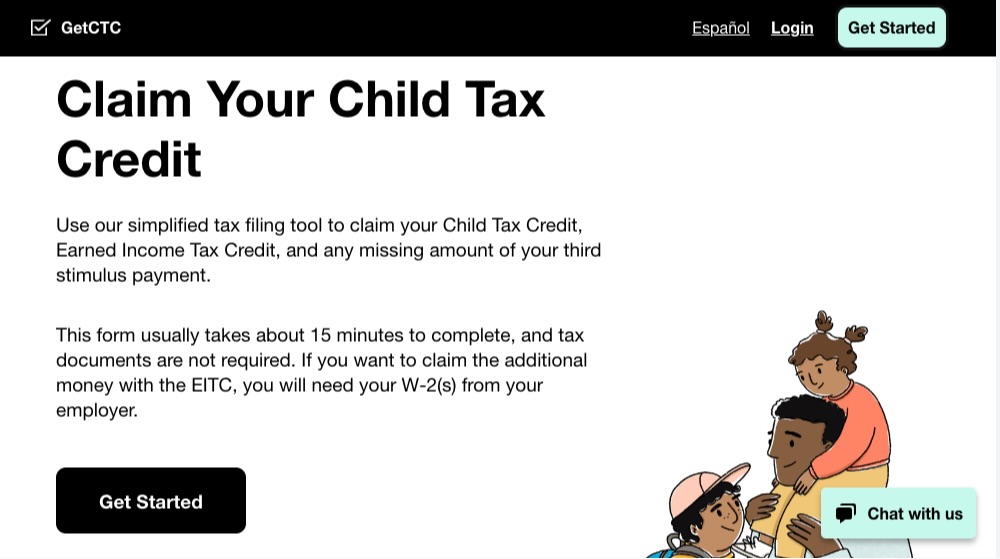
Code for America’s simplified tax filing tool that allows users to claim their Child Tax Credit and any missing amount of their third stimulus payment.
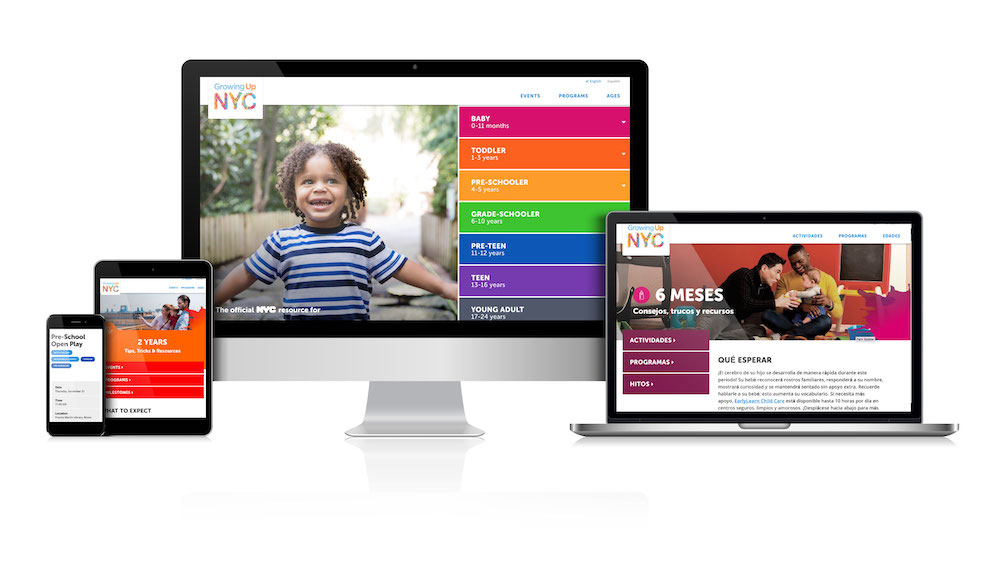
Growing Up NYC is mobile-friendly website that makes it simple for families to learn about and access city programs, as well as services and activities available to New York residents.
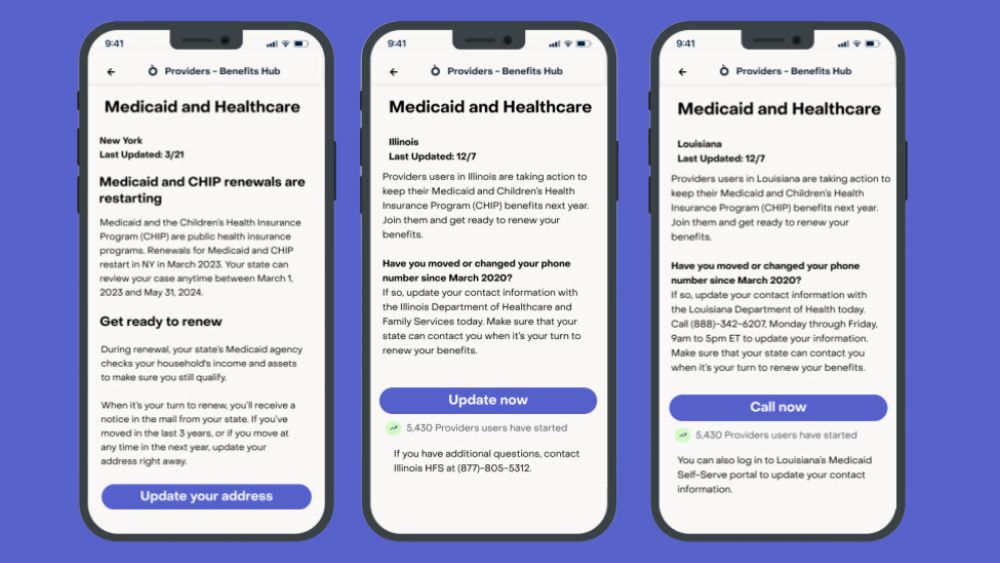
Propel describes how its mobile app outreach campaign helped millions of Medicaid enrollees navigate renewal during the post-pandemic “unwinding” by driving action through notifications, messaging, and in-app tools.
This Urban Institute report identifies strategies to improve young people’s access to public benefits through targeted outreach, benefit navigation, cross-organizational partnerships, and streamlined eligibility processes.
Michigan's UIA director, Julia Dale, is leading the agency through transition by prioritizing lived experience, hope, grit, and values. Virginia's SNAP Program Manager, Michele Thomas, highlighted the success of Sun Bucks, a summer EBT child nutrition program that fed over 700,000 kids in its first year.
Michigan's UIA director, Julia Dale, is leading the agency through transition by prioritizing lived experience, hope, grit, and values. Virginia's SNAP Program Manager, Michele Thomas, highlighted the success of Sun Bucks, a summer EBT child nutrition program that fed over 700,000 kids in its first year.
A research report that defines different local early childhood governance models and explains how communities can choose and design governance structures to support effective early care and education systems.