Practitioner Picks: Data Governance for AI Issue
Practitioner Picks is a quarterly series designed to add fresh resources to the Digital Government Hub’s library, helping people improve government digital service delivery. Each issue spotlights resources chosen by practitioners in a specific service delivery area along with their insights on why these picks are valuable additions to the Hub.
Data governance helps promote data quality, integrity, and security via policies, standards and procedures for data collection, access, ownership, storage, processing, and use. Strong data governance policies and practices are a key prerequisite to responsible artificial intelligence (AI) use in government. In this edition of Practitioner Picks, our contributor rounds up resources to help teams develop effective data governance strategies.
Say hello to this issue’s contributor!

John Stark
Director of Data Governance, Indiana Management Performance Hub
LinkedIn
John Stark is a governance leader specializing in the development and implementation of enterprise data and AI policies. Currently serving as the Director of Data Governance at the Indiana Management Performance Hub, he oversees enterprise-wide Data and AI Governance Programs across the State of Indiana’s Executive Branch.
In addition to his leadership at the state level, John also has served on the Enterprise Data Management Association (EDMA) U.S. Public Sector Forum Steering Committee and contributed to EDMA’s DCAM v.3 framework. He holds professional certifications as an Artificial Intelligence Governance Professional (AIGP) and has earned data management certifications in DCAM and CDMC. He is dedicated to establishing data and AI literacy while delivering transparent, impactful solutions that advance organizational maturity.
Check out the resources John added to the Hub…
Indiana Guidance Document: Agency Data Strategy Development
This guidance document provides a framework for developing an agency-wide data strategy that aligns data governance, management, and analytics with organizational goals and service delivery.
State of Indiana Policy: Information Quality
This policy establishes a framework for ensuring the quality, accuracy, and reliability of government data to support effective decision-making, analytics, and artificial intelligence initiatives.
What he said:
“This guidance document was created in an effort to empower our partner agencies to create data management strategies that work for them, in their specific environments. Strategies and plans don’t work when they are abstract and complicated. We use this document to hopefully democratize the practice of successful data management by starting at the beginning, with a plan.”
What he said:
“Everyone supports good quality data, right? But what does that actually look like in practice and how do we achieve that operationally? This document has been a starting point for our agency partners to operationalize data quality within their specific lane of data. “
Check out the existing Hub resources John consults in his work…

Oregon Data Literacy Framework Report
A statewide framework to improve data literacy among Oregon public sector employees by identifying core competencies, learning goals, and implementation strategies across various roles and skill levels.
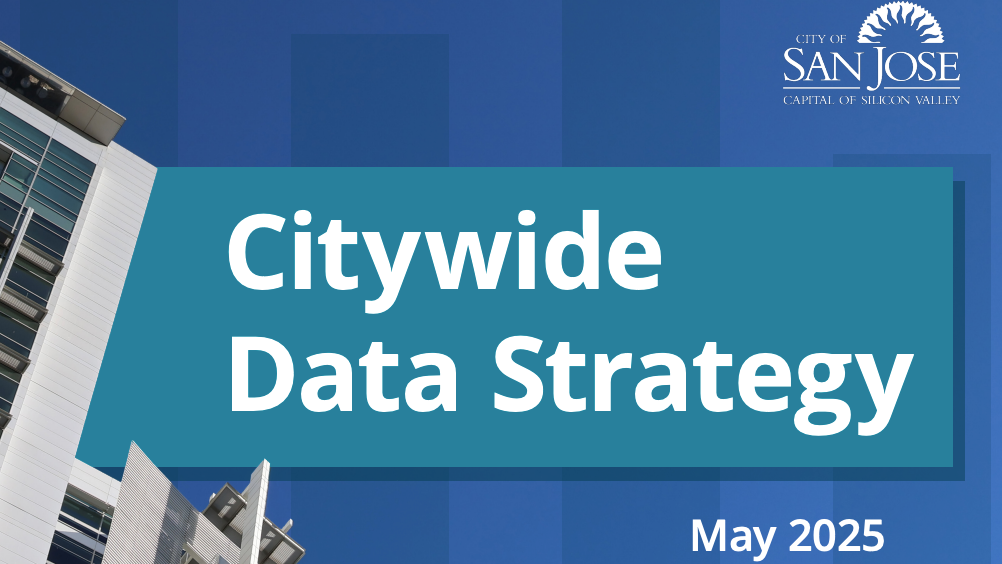
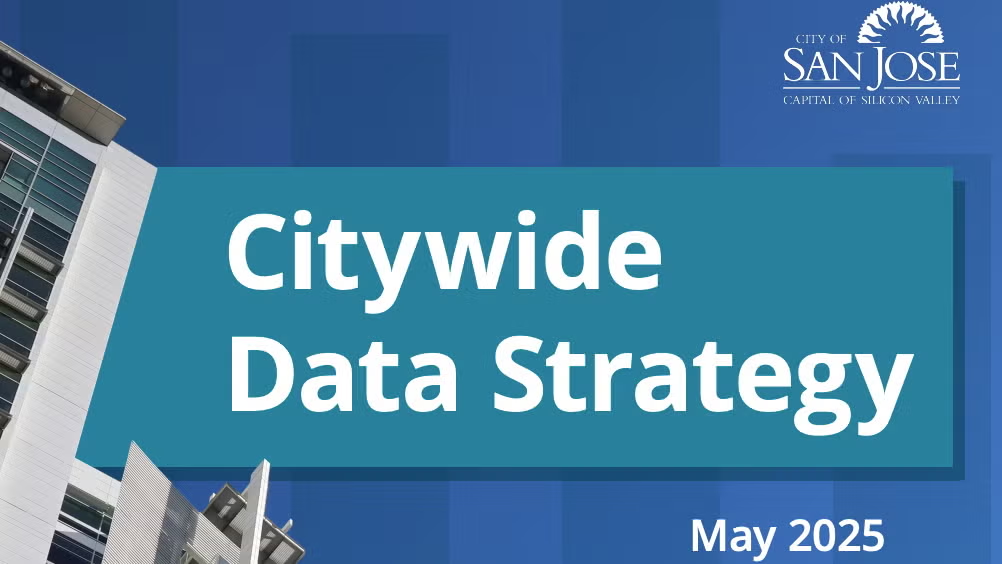
San Jose Citywide Data Strategy
The City of San José’s Citywide Data Strategy sets a three-year roadmap to unify data practices across departments, strengthen equity and transparency, and leverage data and AI to improve public services
What he said:
“Data literacy is one of the largest gaps in our society today. The Oregon Data Literacy Framework Report provides a thoughtful approach to assessing the current landscape of data literacy within state government and how one can approach making the changes to improve this gap. It’s a great resource when you are thinking about building out these types of programs. You can’t plan without first knowing what the current landscape is.”
What he said:
“The San Jose Citywide Data Strategy is a great example of the importance of clear, concise goals. Too often many data strategies are bogged down by technical or confusing jargon. This document is a great resource because of the direct, democratized approach it takes.”
Submit your product management resources to the Hub!
Are you helping your government team focus on product-oriented thinking? Add your own resources to the Hub.
Are you our next Picker?
Interested in being a guest picker for a future issue of Practitioner Picks? Share your focus area with us and why you’d be a great fit for this series.