Algorithmic impact assessments (AIAs) are an emergent form of accountability for organizations that build and deploy automated decision-support systems. This academic paper explores how to co-construct impacts that closely reflects harms, and emphasizes the need for input of various types of expertise and affected communities.
ACM Conference on Fairness, Accountability, and Transparency (ACM FAccT)
This article examines how applying a Racial Equity Framework reveals systemic inequities in the Earned Income Tax Credit (EITC) program, offering insights into barriers faced by marginalized communities and potential solutions.
This report presents evidence on the use of algorithmic accountability policies in different contexts from the perspective of those implementing these tools, and explores the limits of legal and policy mechanisms in ensuring safe and accountable algorithmic systems.
This report provides an overview of artificial intelligence (AI), key policy considerations, and federal government activities related to AI development and regulation.
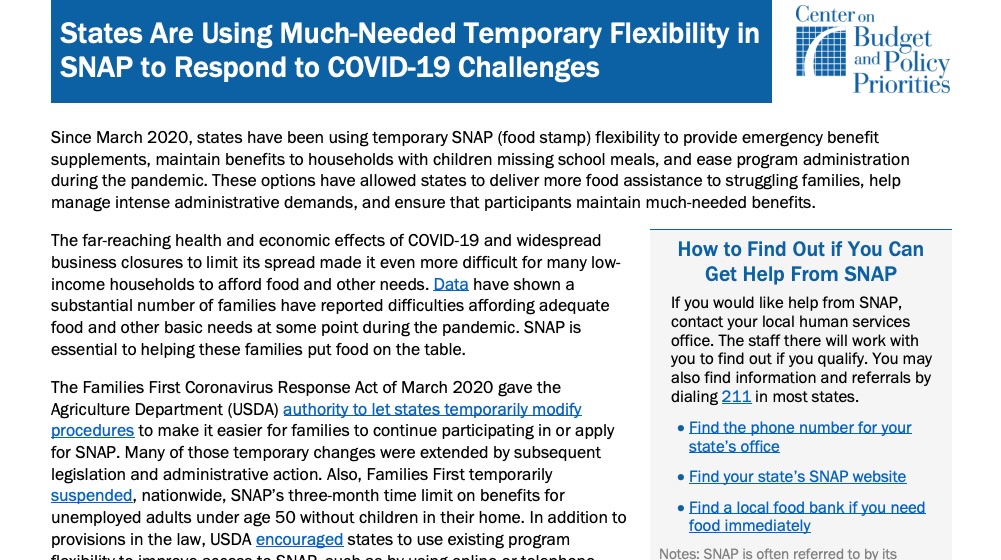
During the COVID-19 pandemic, states utilized temporary Supplemental Nutrition Assistance Program (SNAP) flexibilities to provide emergency benefits and maintain support for households with children missing school meals.
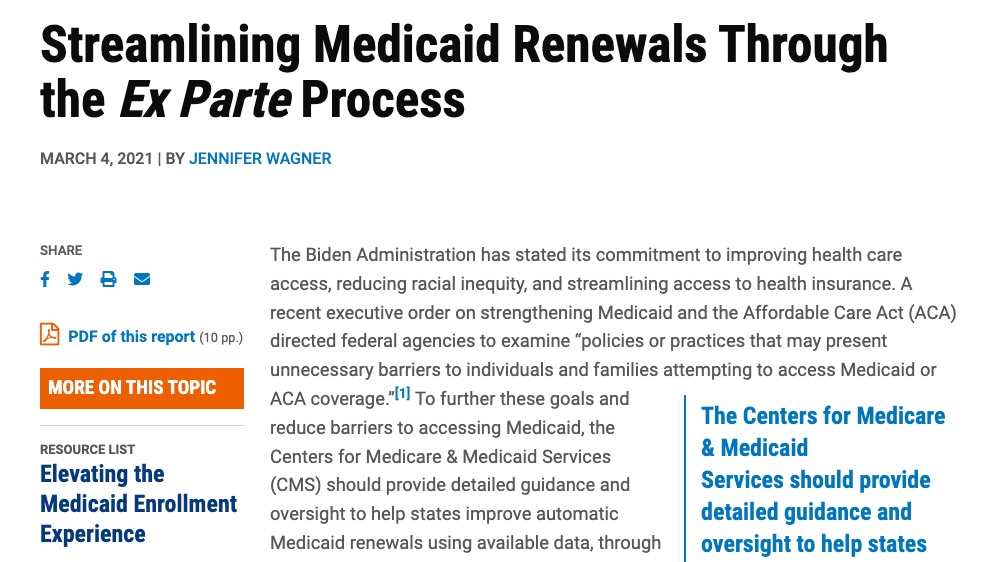
The report discusses how state Medicaid agencies can enhance efficiency and maintain coverage for eligible individuals by implementing ex parte renewals, which automatically renew beneficiaries' coverage using existing data without requiring action from enrollees.
Research identified five key obstacles that researchers, activists, and advocates face in efforts to open critical public conversations about AI’s relationship with inequity and advance needed policies.