During the COVID-19 pandemic, states utilized temporary Supplemental Nutrition Assistance Program (SNAP) flexibilities to provide emergency benefits and maintain support for households with children missing school meals.
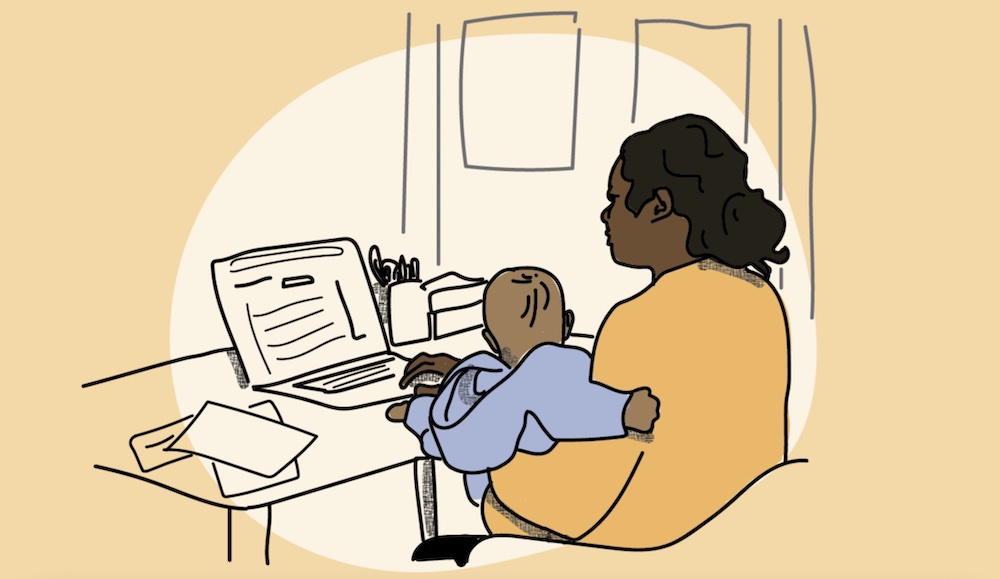
This report describes how the government can use widespread social media feedback and begin to build long-term measures to center people’s experience as an important component of policy design
A guide to navigating New York City’s public services. It was made with and for families of students living in temporary housing or experiencing homelessness and the NYC Department of Education’s Office of Students in Temporary Housing (STH).
When COVID-19 hit, the State of New Jersey recognized the need to both receive data on the spread of the disease from the public and provide information to them on how to mitigate it.
APHSA's President and CEO reflects on lessons and opportunities the COVID-19 pandemic highlighted and constructs a national narrative around the moment.
American Public Human Services Association (APHSA)
The Pandemic Electronic Benefits Transfer (P-EBT) program was launched as an effort to address the loss of access to free and reduced-price school meals due to widespread school closures at the onset of the COVID-19 pandemic. As schools reopened in a shifting mix of fully virtual, hybrid, and inperson formats and families lacked consistent access to school meals, these benefits were extended through the 2020–21 school year and were highly valuable to families in buffering the full extent of food insecurity they may have faced during this uncertain time. However, the complexity of administering this program was a fundamental barrier in providing timely support to families, who ultimately went without benefits for at least half of the school year. In this report, we dive into the challenges state administrators faced in launching this new program during the 2020–21 school year and reflect on considerations for the future.
An interview with Wendy De La Rosa, assistant professor at the Wharton School at the University of Pennsylvania. De La Rosa discusses how the concept of “psychological ownership” can encourage people to take up benefits they are eligible for.
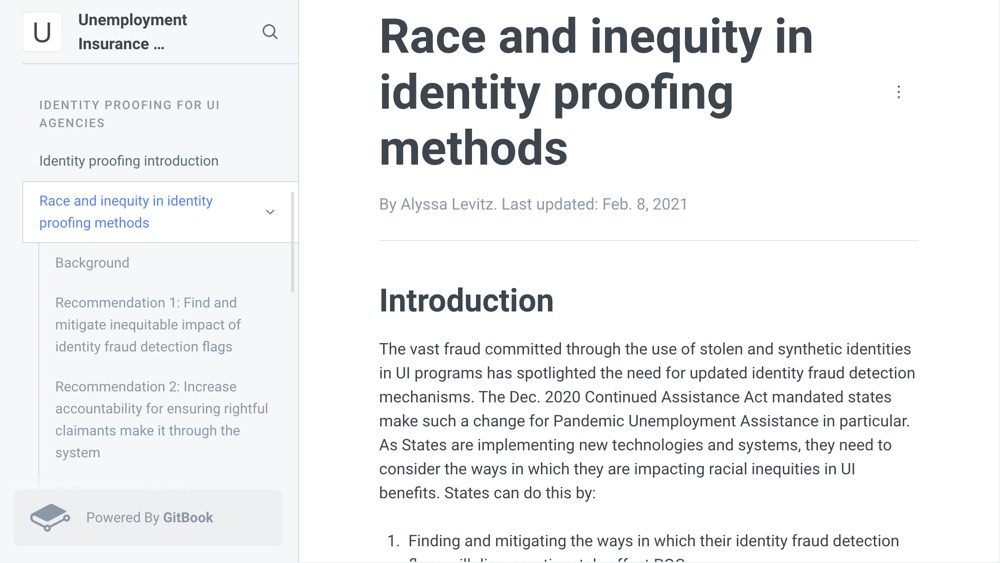
The vast fraud committed through the use of stolen and synthetic identities in UI programs has spotlighted the need for updated identity fraud detection mechanisms. As states are implementing new technologies and systems, they need to consider the ways in which they are impacting racial inequities in UI benefits.