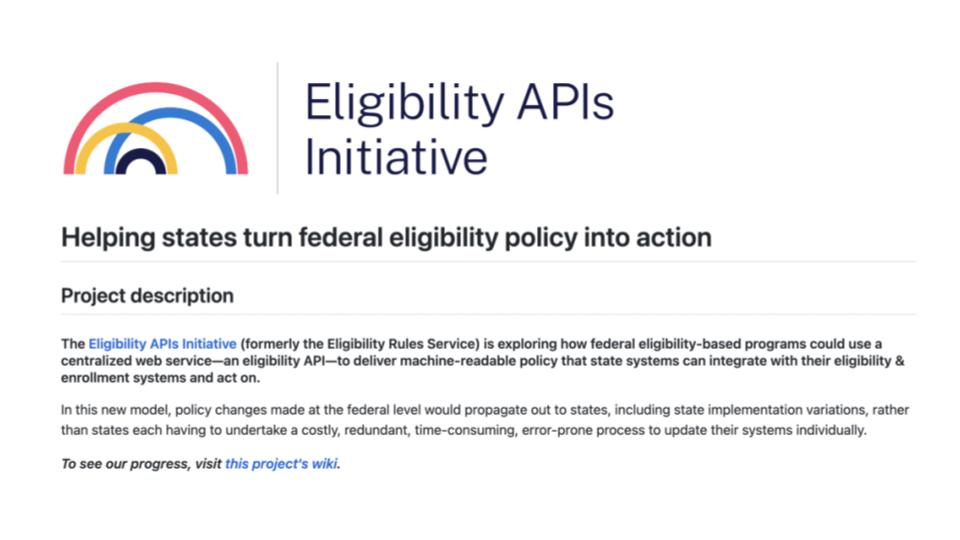
18F, a consultancy within the U.S. General Services Administration, developed a prototype API and pre-screener to model federal SNAP eligibility rules, aiming to simplify benefits access through open-source technology.
This OPRE brief provides strategies for enhancing cultural responsiveness in social service agencies, focusing on improving services for diverse communities through organizational change, staff development, and culturally informed program design.
U.S. Department of Health and Human Services (HHS)
This session from FormFest 2024 featured the Department of Homeland Security and the United States Digital Service talking about their work to reduce form burdens for internal and external users.
This session from FormFest 2024 focused on improving service delivery by hearing about work in multiple cities to rapidly digitize service delivery and work by the Department of Veteran Affairs around implementing service design principles in form revisions.
The document outlines revisions to OMB's SPD No. 15, which updates the standards for collecting and presenting federal race and ethnicity data, including the integration of race and ethnicity questions, the addition of a MENA category, and requirements for more detailed data collection.
This report explores innovative solutions and insights from CMS Innovation Center's Hackathon series to address the unique healthcare challenges faced by rural, Tribal, and geographically isolated communities.
This blog discusses the importance of phased rollouts for government software products, emphasizing the benefits of starting small, gathering real-world user feedback, and resolving issues before a full public release.
This report details the use of the historic investment of $1 billion in funding from the American Rescue Plan Act (ARPA) to the Department of Labor and state unemployment (UI) agencies to modernize state UI programs.
This memo provides guidance on conducting usability testing under the Paperwork Reduction Act (PRA), clarifying when PRA approval is required, and offering strategies for quickly implementing improvements based on usability feedback for federal forms and websites.