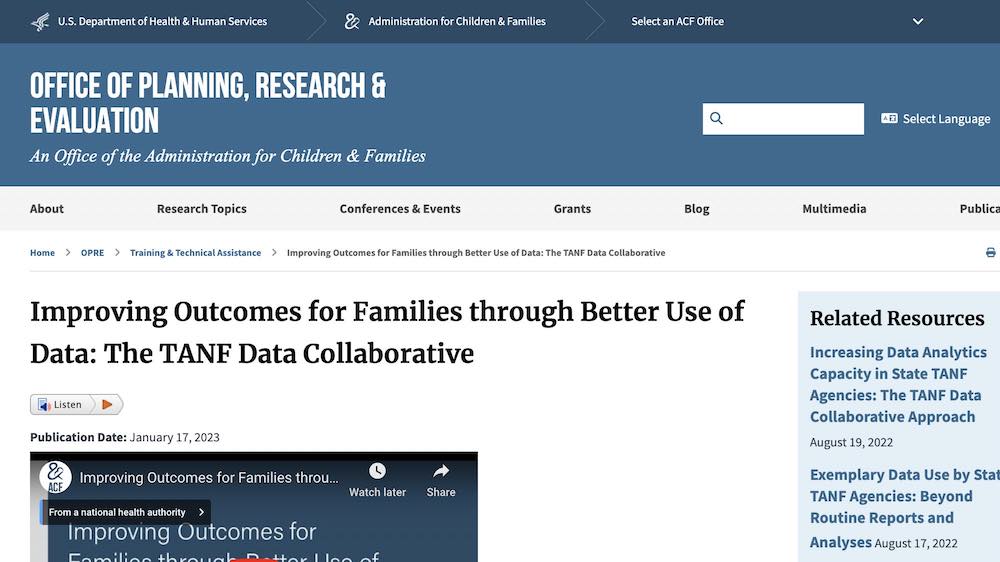
This video, produced after the completion of the TDC Pilot, features staff members from the California, Colorado, Minnesota, and Virginia TANF agencies reflecting on their challenges, accomplishments, and general experiences during the pilot.
U.S. Department of Health and Human Services (HHS)
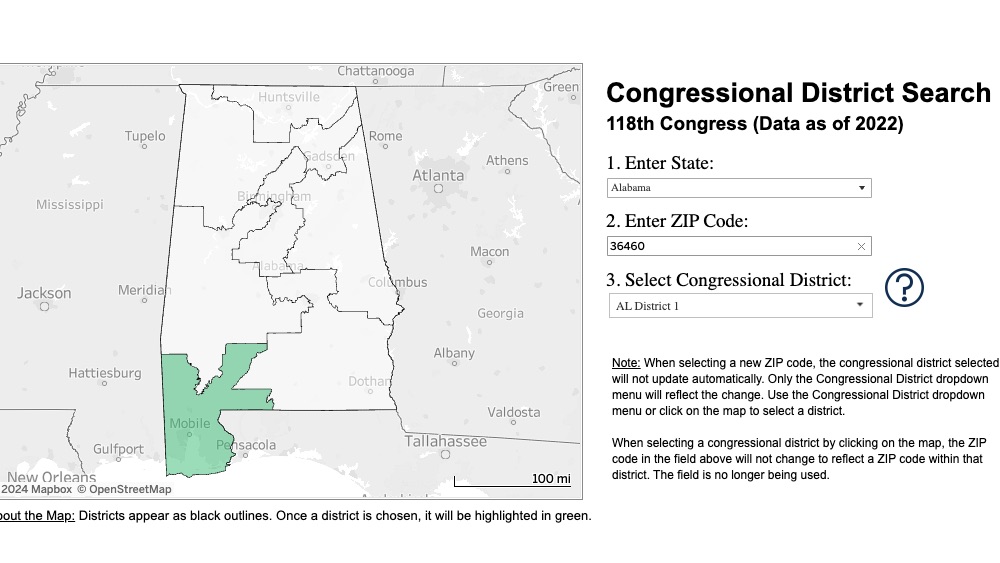
This interactive dashboard allows users to explore Supplemental Nutrition Assistance Program (SNAP) participation and household characteristics by U.S. congressional district using American Community Survey data.
This interim final rule requires SNAP State agencies to provide information to the NAC regarding individuals receiving SNAP benefits in their states in order to ensure they are not already receiving benefits in another state.
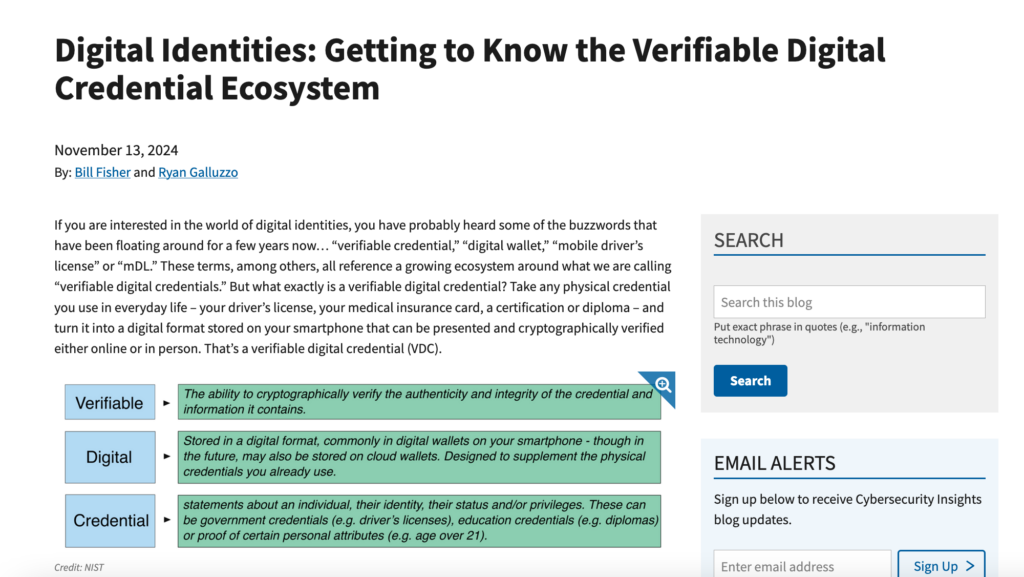
This blog explains that verifiable digital credentials (VDCs) are cryptographically secure digital versions of physical credentials (like driver’s licenses or diplomas) stored in digital wallets that can be presented and verified online or in person.
National Institute of Standards and Technology (NIST)
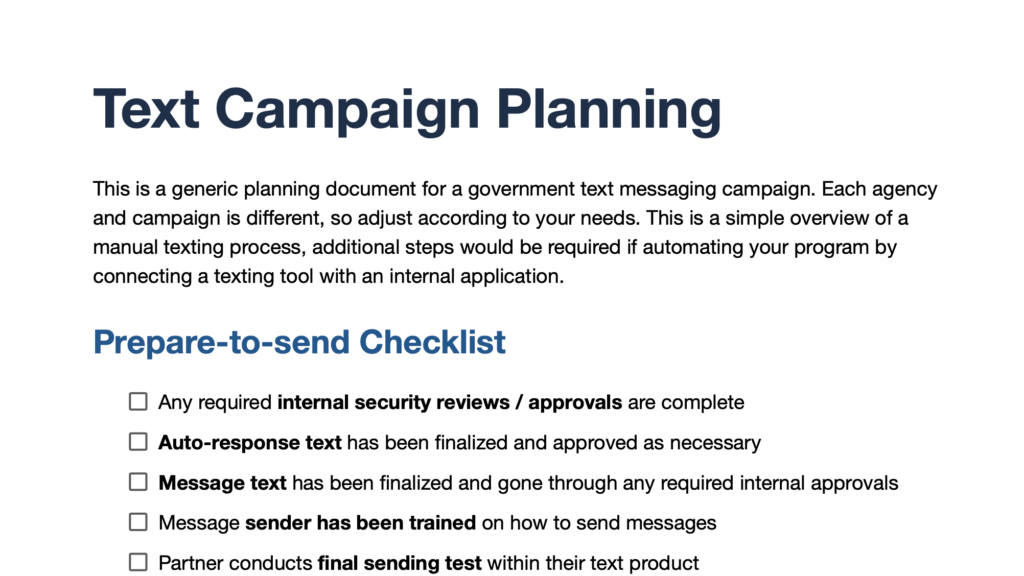
A case study documenting the creation, pilot, impact, and eventual sunset of a government text-messaging service used to improve how agencies communicate with the public.
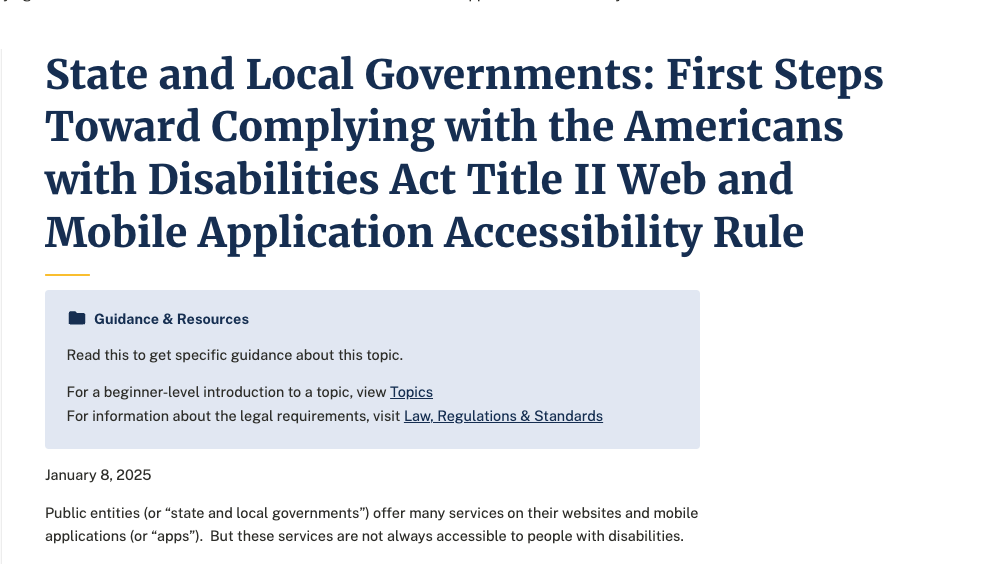
A guidance resource for state and local governments outlining first-step actions to prepare for compliance with the new web and mobile accessibility rule under Americans with Disabilities Act (ADA).
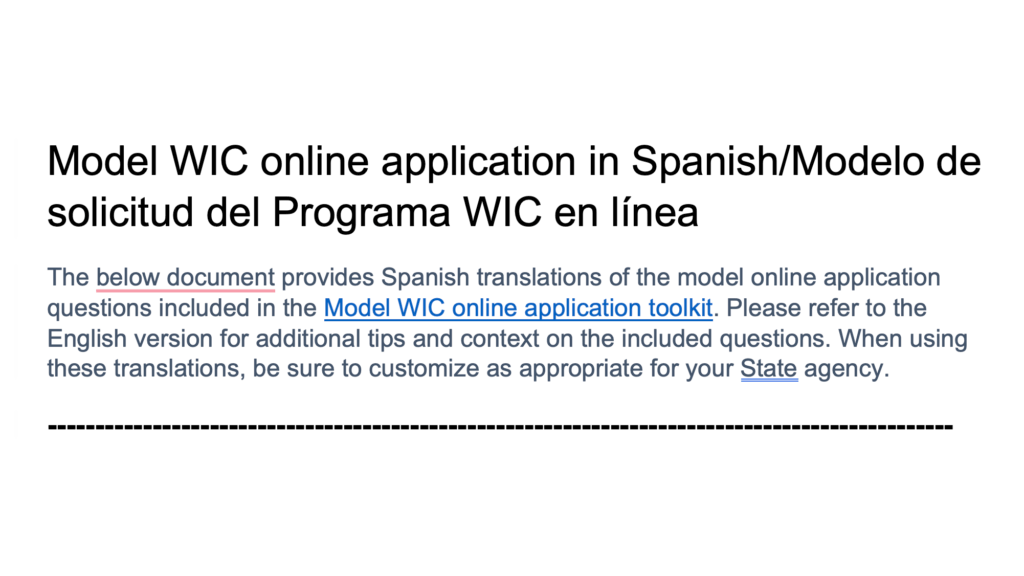
This document is the Spanish-language version of the Model WIC Online Application. It provides a full set of translated application questions and instructions for applying to the Special Supplemental Nutrition Program for Women, Infants, and Children (WIC).
This is a monorepo managing the web components of the Government of Canada's Design System, facilitating the creation of consistent and accessible digital services.