This report analyzes the impact of waivers that allowed WIC participants to be certified without in-person visits during the COVID-19 public health emergency, assessing effects on access, participation, and service delivery.
The Public Design Evidence Review examines how design practices can improve public policies and services across the UK, exploring what good “public design” looks like, how it’s being used, and what enables or inhibits its impact.
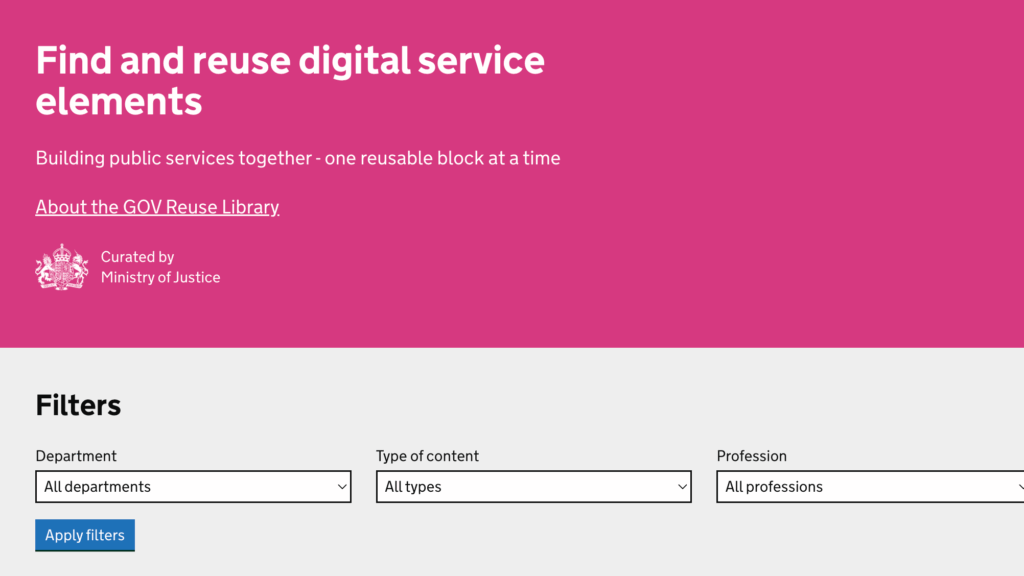
This is a government catalog of reusable digital service components, templates, and patterns designed to help public sector teams build services more efficiently and consistently.
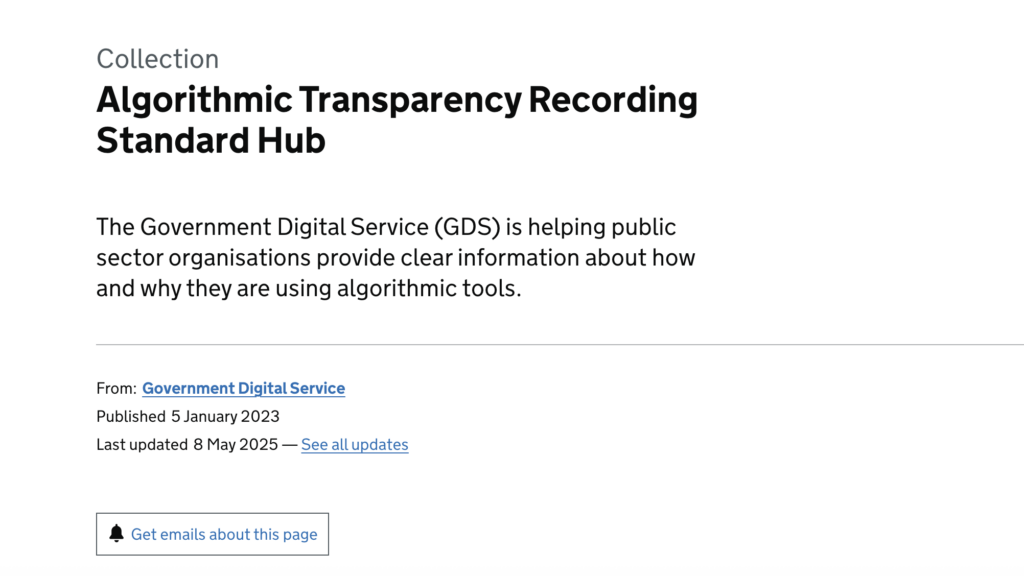
A central hub of guidance, standards, and supporting documentation explaining how UK public sector bodies should record and publish information about algorithmic systems to ensure transparency and accountability.
The GSA’s Service Design program implemented a data-driven evaluation process to enhance digital experiences, improve compliance, and streamline its website portfolio, achieving significant cost savings and customer-centric digital transformation.
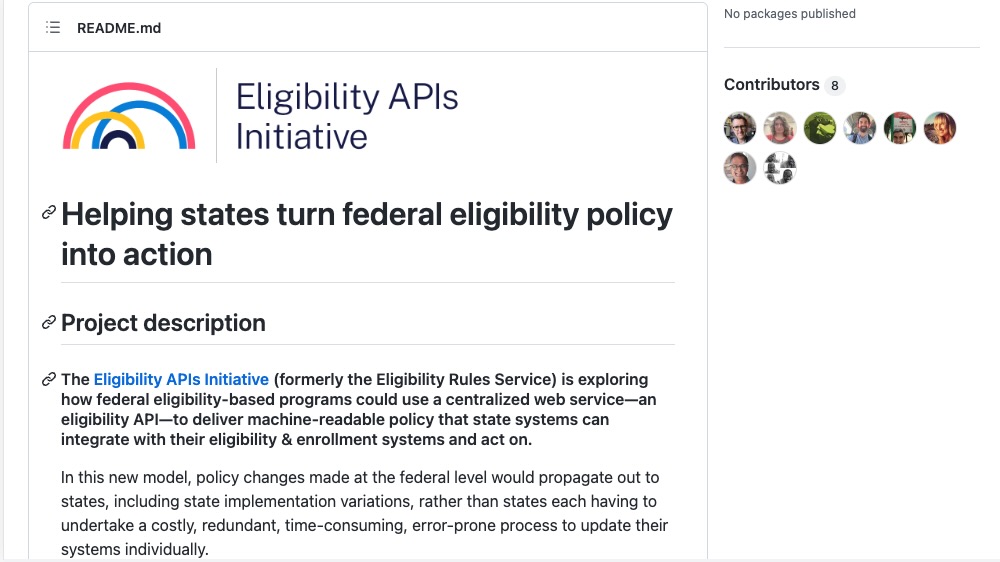
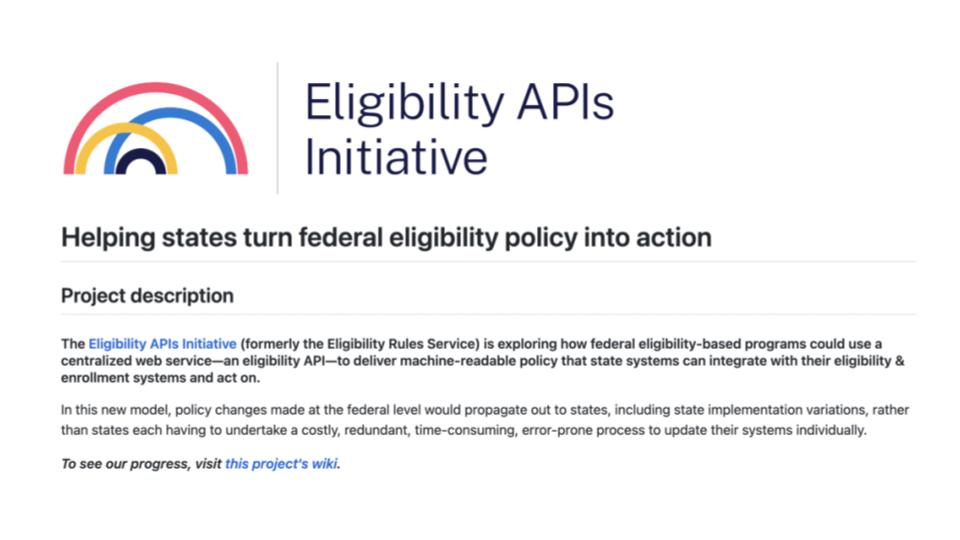
18F, a consultancy within the U.S. General Services Administration, developed a prototype API and pre-screener to model federal SNAP eligibility rules, aiming to simplify benefits access through open-source technology.
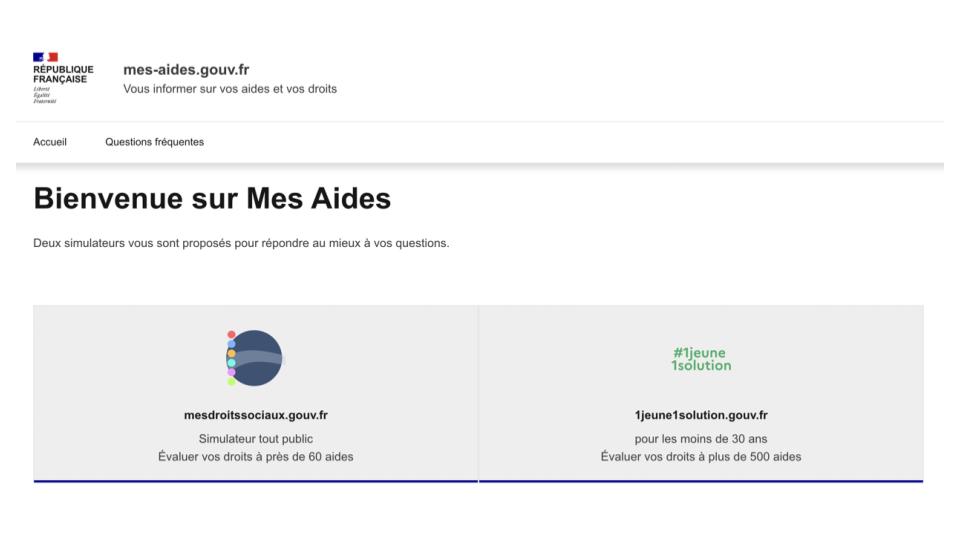
beta.gouv.fr, a French government incubator, developed Mes Aides, an online benefits simulator launched in 2014 to help residents assess their eligibility for various social programs, addressing the issue of unclaimed benefits. The tool, built with open-source technology, enabled users to quickly estimate their potential benefits but was later integrated into a broader platform in 2020 following internal government disputes over authority.
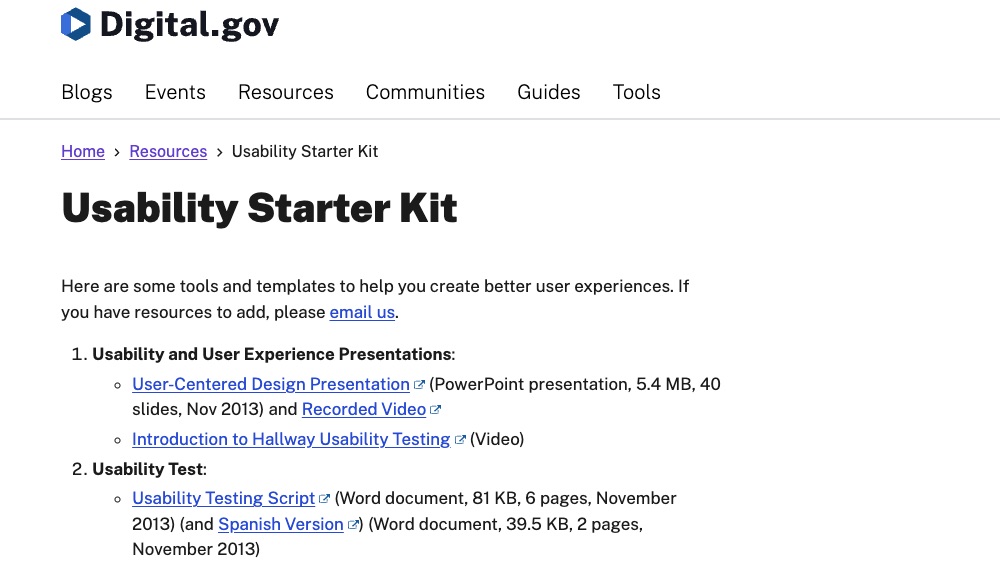
The DigitalGov Usability Starter Kit offers a comprehensive collection of tools and templates designed to assist in creating user-centered digital experiences.
The Login.gov program roadmap articulates the values of the Login.gov program, outlines strategic priorities, and documents how the program is approaching nuanced identity topics.