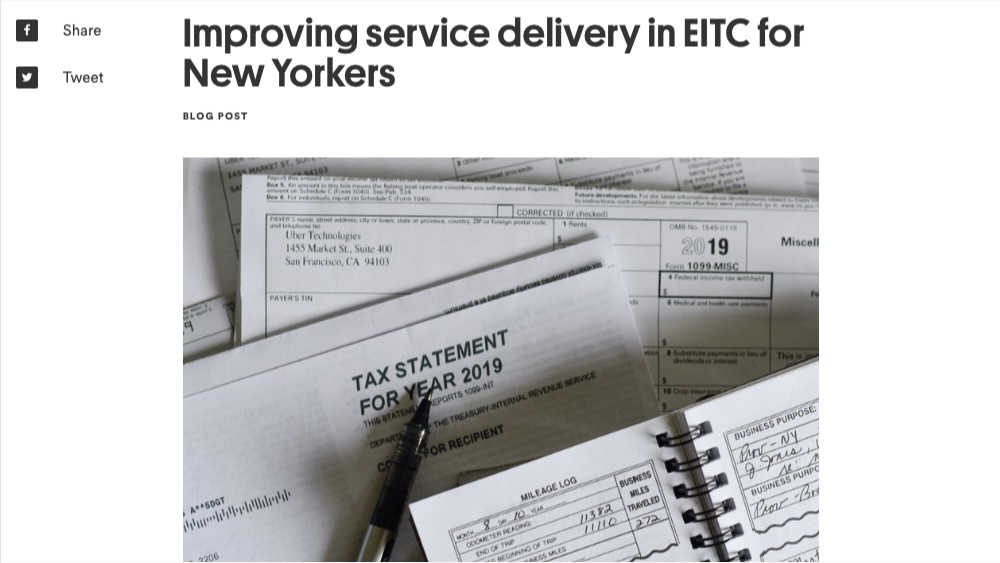
The Improving Service Delivery in EITC for New Yorkers initiative explores ways to enhance access to the Earned Income Tax Credit (EITC) through improved outreach, application processes, and service delivery.
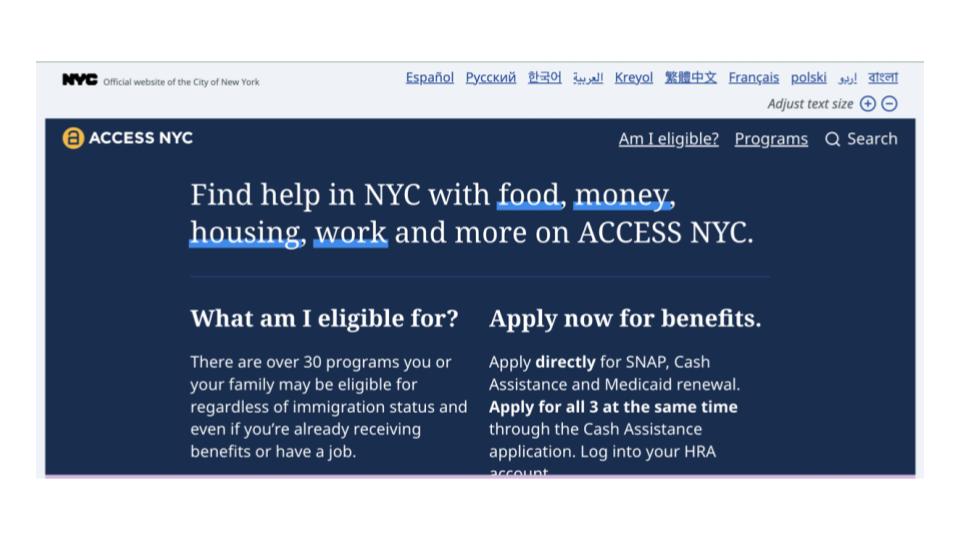
The NYC Mayor’s Office for Economic Opportunity (NYC Opportunity) developed the NYC Benefits Platform, including ACCESS NYC, to help residents easily discover and check eligibility for over 80 social programs.
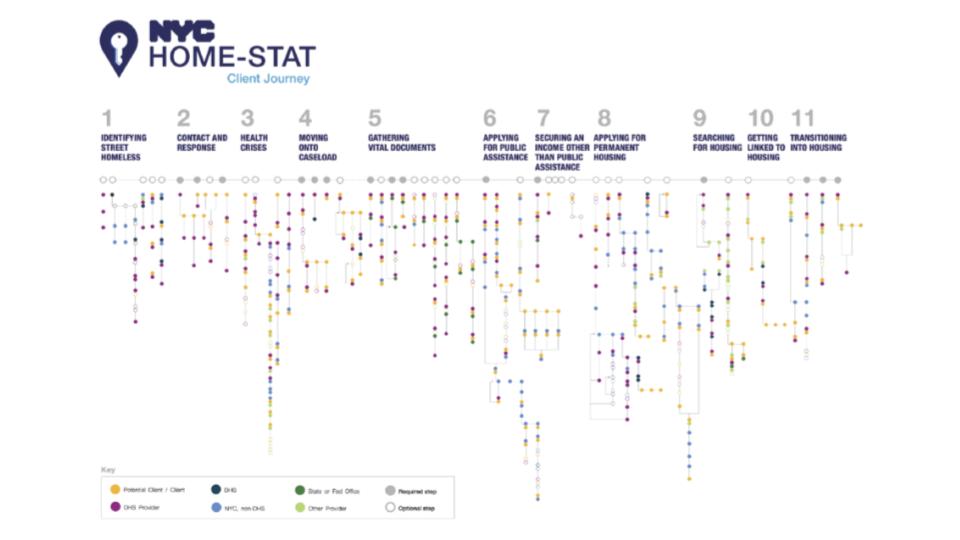
HOME-STAT partners existing homeless response and prevention programs with new innovations designed to better identify, engage, and transition homeless New Yorkers to appropriate services and, ultimately, permanent housing.
The New York State Customer Experience (NYX) Strategy is a comprehensive plan aimed at transforming state government services to be more efficient, accessible, and responsive to the needs of residents.
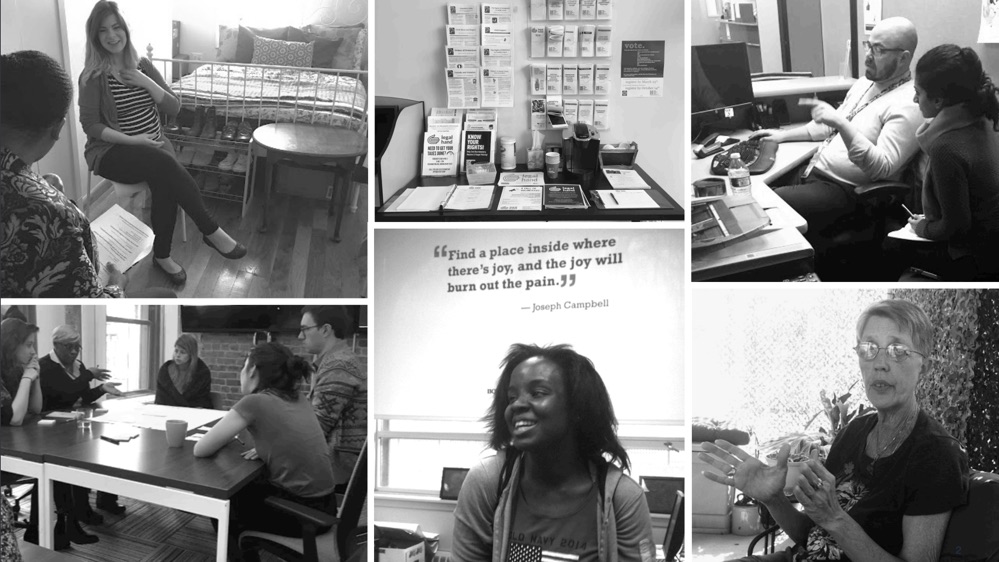
Applicants to federal aid programs face numerous barriers in accessing benefits they are eligible for. The Centers for Medicaid and Medicare conducted an extensive qualitative user research study to better understand applicant experience in enrolling in public assistance programs. Based on the results, the study emphasizes the need for simplified, streamlined and less burdensome application processes.
This is a job description for the role of Programs and Evaluation Graduate Fellow from the New York City Mayor's Office for Economic Opportunity (NYC Opportunity).
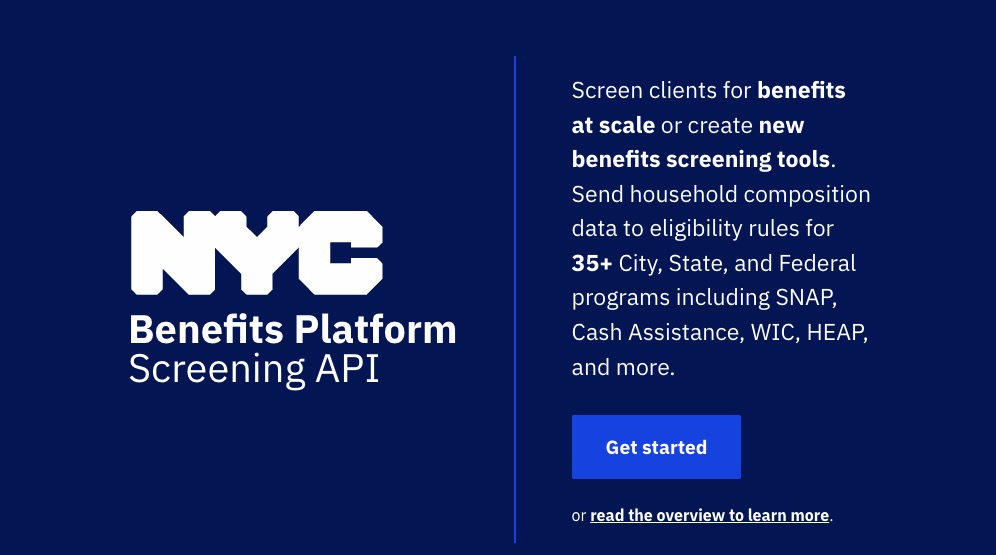
The NYC Benefits Screening API provides machine-readable calculations and criteria for benefits screening that power the ACCESS NYC screening questionnaire.
The New York State WIC program website provides access to nutritious foods, nutrition education, breastfeeding/chestfeeding support, and referrals to eligible pregnant, breastfeeding, and postpartum individuals, infants, and children up to age five.
The design system for NYC Opportunity's digital products. It is ideally suited for building catalogs of City services and online applications, providing simple and flexible CSS and JavaScript-based components and utilities for building user interfaces quickly and easily.