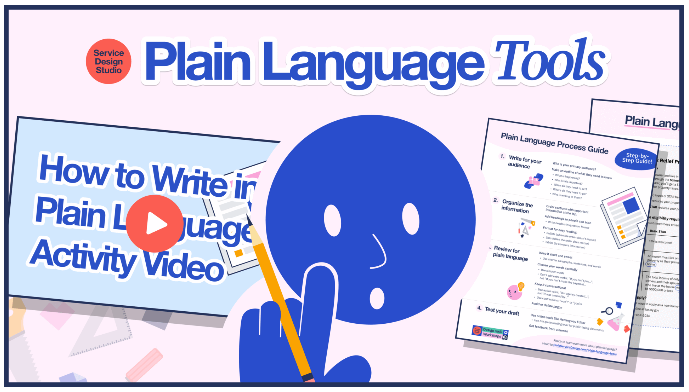
A practical toolkit that provides plain-language writing resources, checklists, and guidance to help government and public-service teams write content that is clear, accessible, and centered on community needs.
This primer introduces two foundational software types that can support organizations that are committed to accessible benefits information: content management systems (CMS) and application program interfaces (APIs).
Applicants to federal aid programs face numerous barriers in accessing benefits they are eligible for. The Centers for Medicaid and Medicare conducted an extensive qualitative user research study to better understand applicant experience in enrolling in public assistance programs. Based on the results, the study emphasizes the need for simplified, streamlined and less burdensome application processes.
This summary outlines statewide progress in improving digital services, reducing administrative burdens, and elevating customer satisfaction through human-centered and data-informed government design.
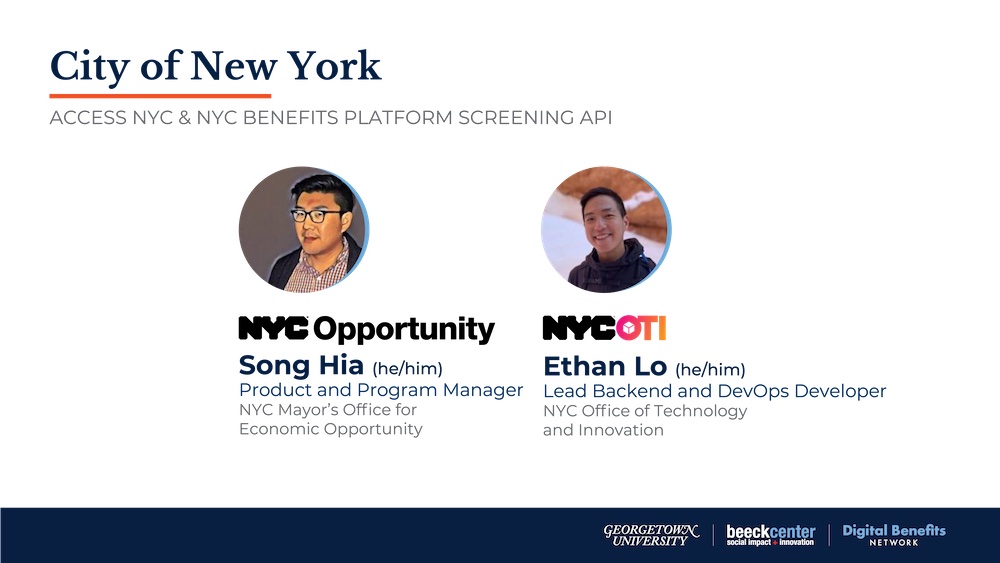
At Rules as Code Demo Day we heard from Song Hia of the NYC Mayor’s Office for Economic Opportunity and Ethan Lo of the NYC Office of Technology and Innovation who demoed the NYC Benefits Platform Screening API which provides machine-readable calculations and criteria for benefits screening that power the ACCESS NYC screening questionnaire. This makes it easier for NYC residents to discover multiple benefits they may be eligible for. The City is now extending the API to support the new MyCity platform, a one-stop shop for all services and benefits.
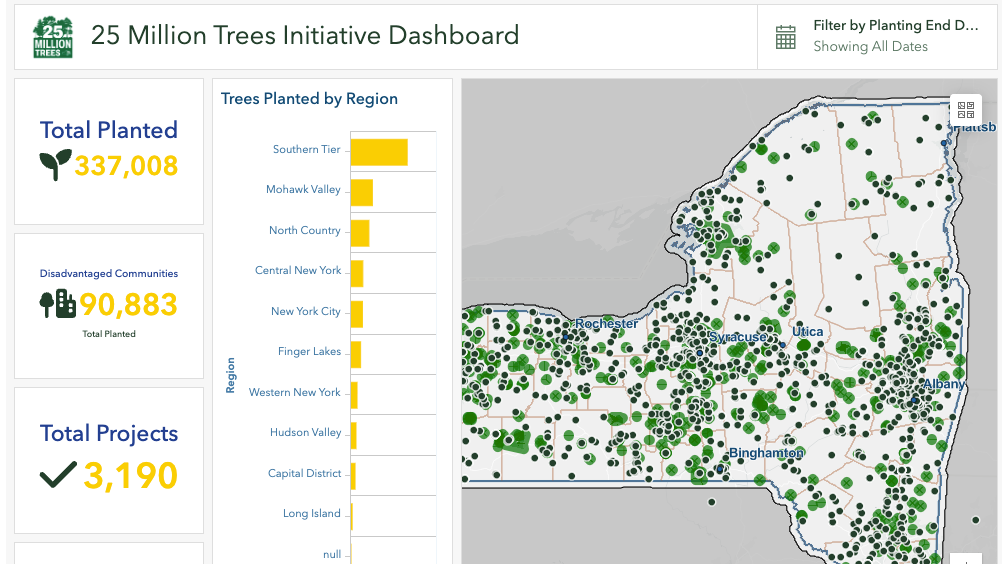
A statewide initiative by the New York State Department of Environmental Conservation (DEC) to plant and track 25 million trees by 2033 across New York State.
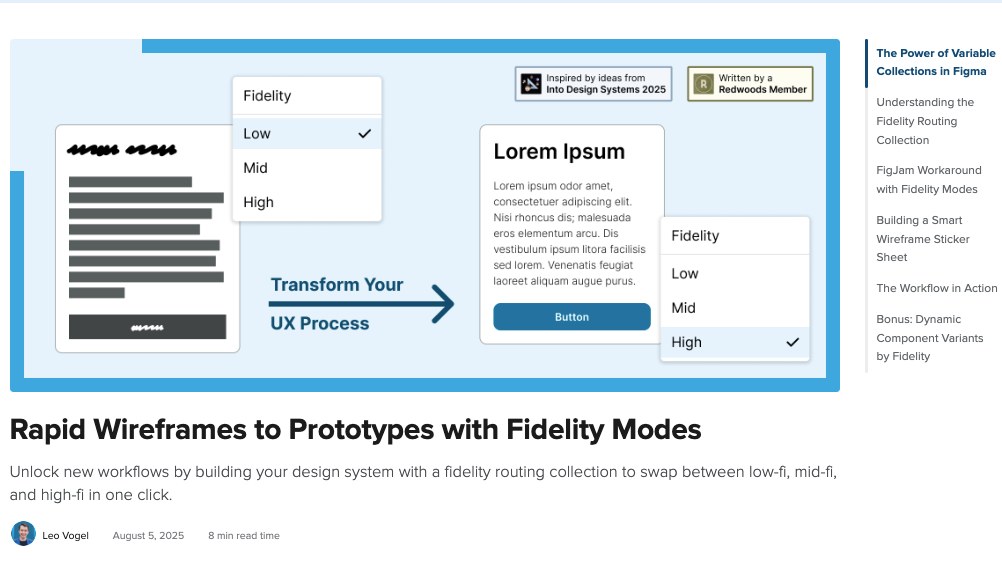
A practical resource explaining how to choose and use different fidelity modes in rapid prototyping to align team understanding and streamline design iterations.