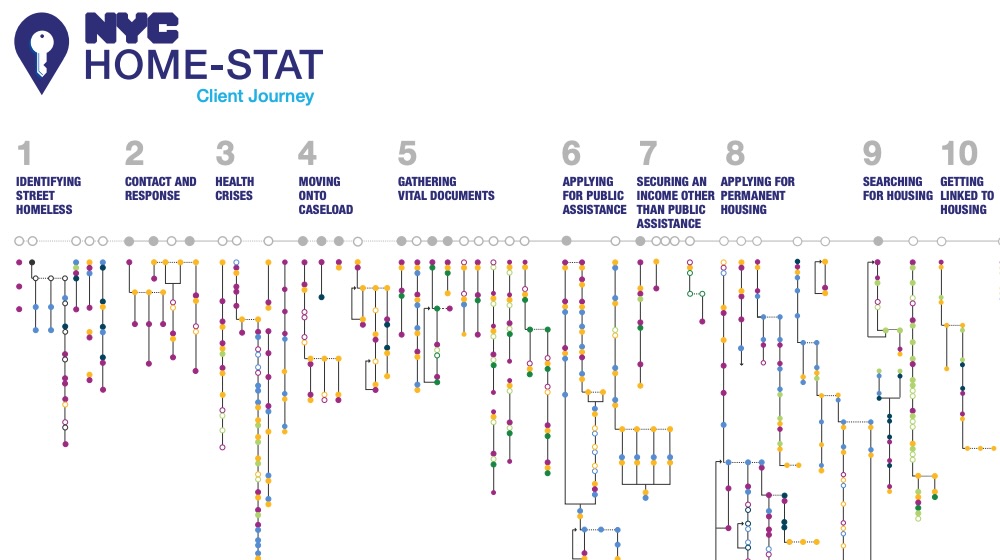
This overview journey map of street homeless outreach reflects the complexity of the service journey from first contact on street to placement in permanent housing.
This expansive toolkit provides guidance, real world examples, and resources to help TANF and child support programs engage the families they serve in improving service delivery, policy, and program operations.
This report highlights key findings from the Rules as Code Community of Practice, including practitioners' challenges with complex policies, their desire to share knowledge and resources, the need for increased training and support, and a collective interest in developing open standards and a shared code library.
Drawing on interviews and convenings with experts and practitioners from the field of public interest technology, this report contains recommendations across five core priority action areas for cross-sector innovation and collaboration to improve state benefits systems through procurement practices.
This guide touches on everything from Code for America’s core research philosophy, to our approach to ethics and trauma-informed research, to specific research methods. It also includes plenty of practical tips on planning and executing research, as well as how to synthesize your findings into action.
The Performance.gov team hosted a webinar featuring federal customer experience (CX) changemakers from across government and focused on the nine CX projects that aim to address pain points learned about through human-centered design research.
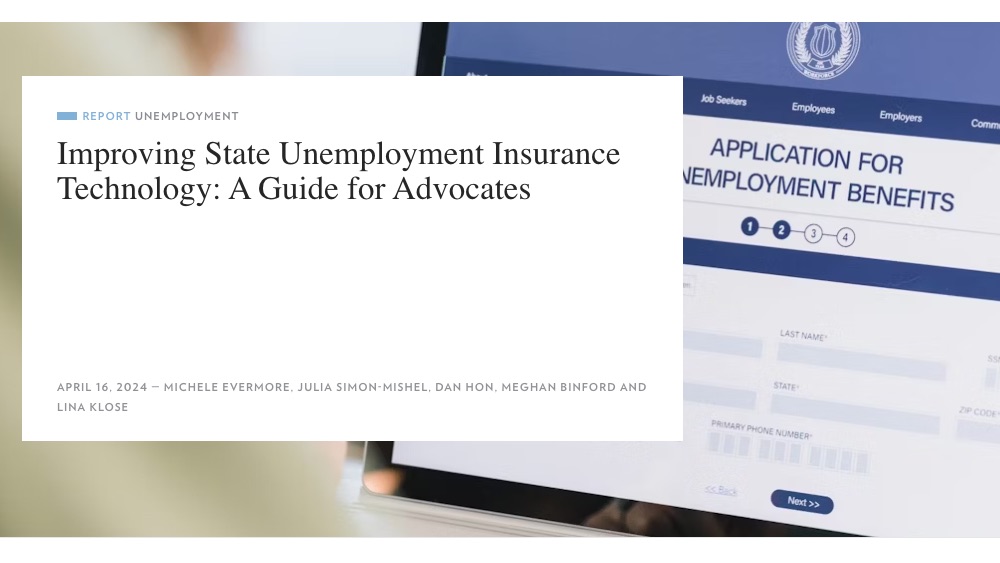
This guide is intended to provide everything else, with a focus on the basics of UI technology projects, guidance on standards for equitable uses of technology, and strategies for how to have a positive impact on these projects.
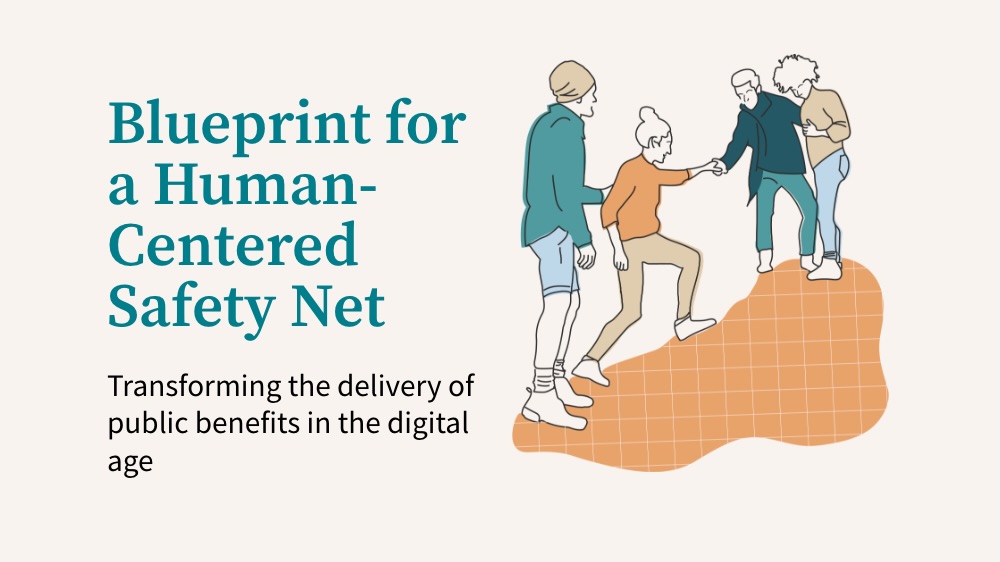
Describes the Principles of a Human-Centered Safety Net: Many Welcoming Doors, Easy to Understand, Clients Can Make Informed Decisions, Responsive to Changing Needs, Simple Actions
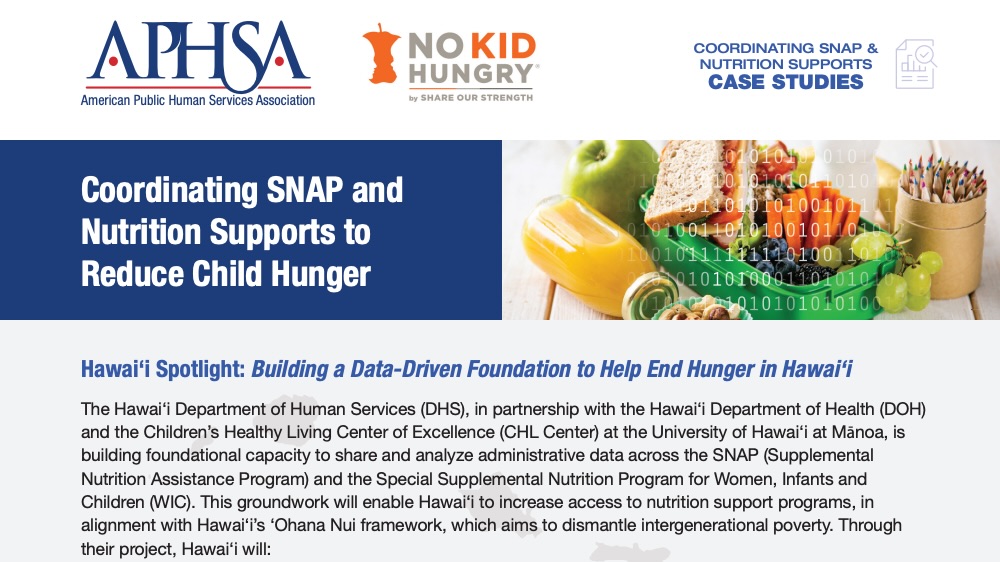
The Hawai‘i Department of Human Services (DHS), in partnership with the Hawai‘i Department of Health (DOH) and the Children’s Healthy Living Center of Excellence (CHL Center) at the University of Hawai‘i at Mānoa, is building foundational capacity to share and analyze administrative data across the SNAP (Supplemental Nutrition Assistance Program) and the Special Supplemental Nutrition Program for Women, Infants and Children (WIC). This groundwork will enable Hawai‘i to increase access to nutrition support programs, in alignment with Hawai‘i’s ‘Ohana Nui framework, which aims to dismantle intergenerational poverty.
American Public Human Services Association (APHSA)
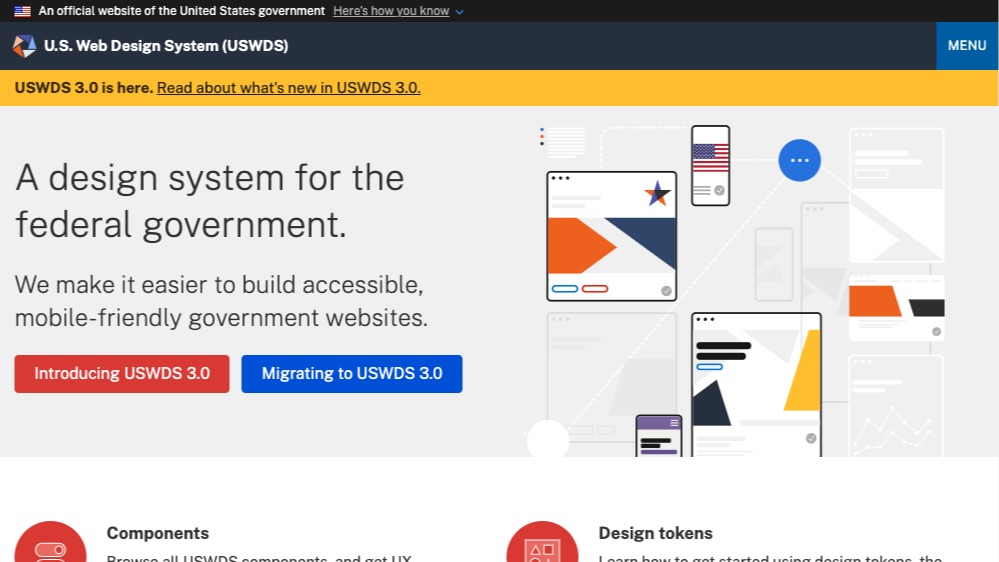
The U.S. Web Design System (USWDS) is makes it easier to build accessible, mobile-friendly government websites. USWDS is an active open source community of government engineers, content specialists, and designers. Its contributors both in and out of government support dozens of agencies and nearly 200 sites.
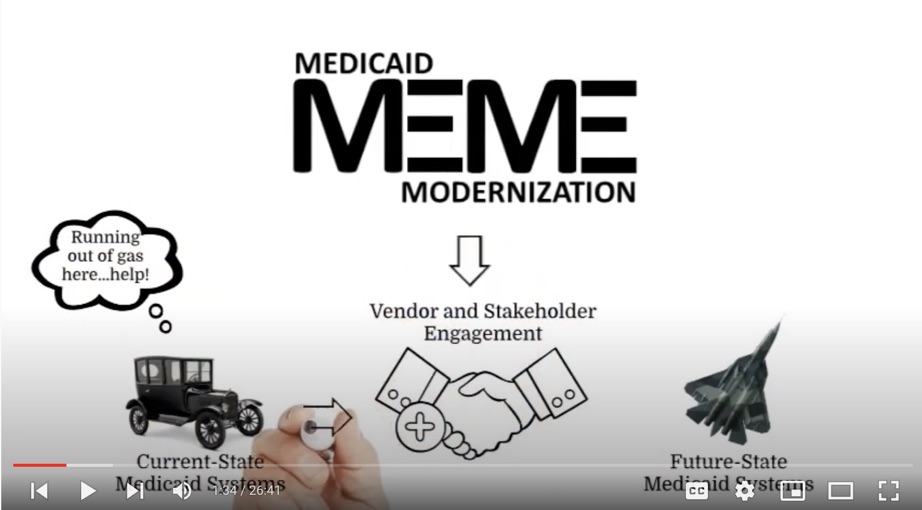
This artifact is a telestration video introducing Iowa Medicaid's Medicaid Enterprise Modernization Effort (MEME) initiative, providing vendors with background information and strategic outcome priority goals to elicit feedback from the vendor community via Request for Information (RFI).
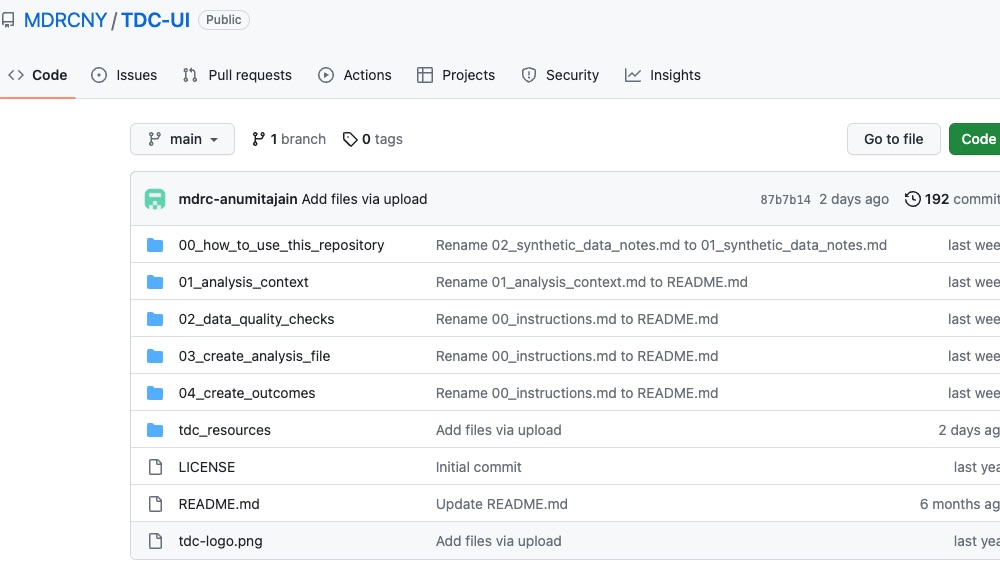
This GitHub repository includes resources that users of the UI wage data toolkit may find helpful. It covers a variety of topics, including equity, data security, programming, and data QC tips. It also serves as a place for our team to continue to post information that the TANF Data Collaborative (TDC) pilot sites found useful during our partnerships with them.