An overview of current technology systems used by WIC agencies nationwide, highlighting trends, challenges, and opportunities for modernization to improve program efficiency and participant experience.
A webinar presenting fresh data on how young adults aged 22 are faring in terms of poverty, employment, education, living arrangements, and access to public benefits.
This resource examines how improvements in customer service experiences in public benefit programs like Medicaid, CHIP, and TANF can help better meet enrollees’ needs and build trust in government.
This brief offers a new, anti-racist vision for transforming the Child Care and Development Fund (CCDF) into a program that actively pushes back against structural racism and advances racial equity and economic prosperity for all families.
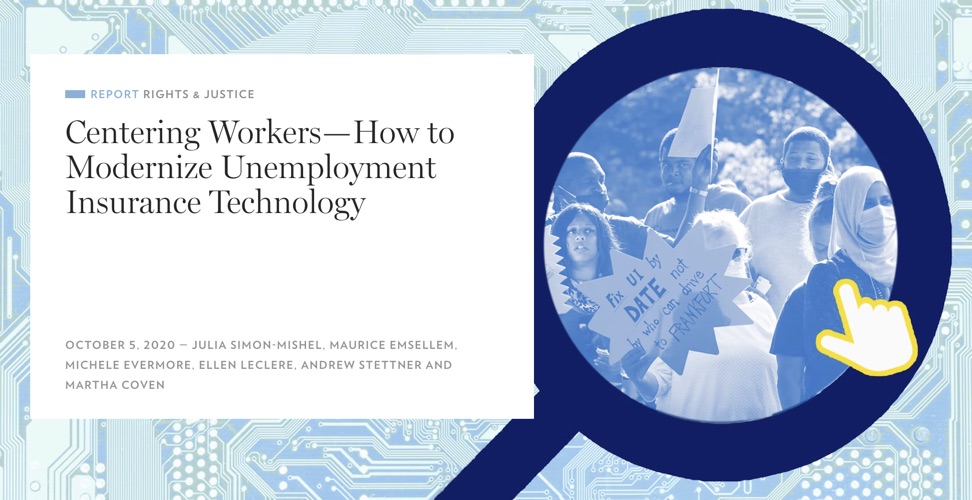
This report outlines how modernizing unemployment insurance (UI) technology with a worker-centered approach can improve access, efficiency, and equity in the UI system.
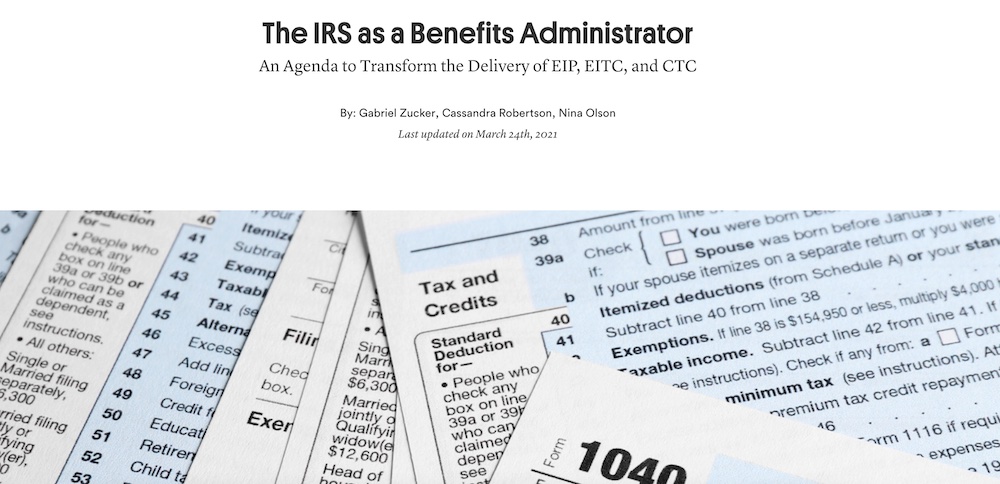
The IRS is arguably the single most critical benefits administrator in the country, given its responsibility for tax credit-based relief programs, and COVID-19 relief payments. Despite these programs’ incredible progress in reducing poverty, and despite great strides by the IRS to implement them successfully, accessing IRS benefits remains too difficult for many low-income families. This report presents a comprehensive agenda to increase benefit coverage rates, simplify Americans’ interactions with the IRS, and decrease the portion of IRS benefits diverted to third parties.